Disco Inferno: The Role of Fire and Pyrotechnics in Iconic Disco Performances
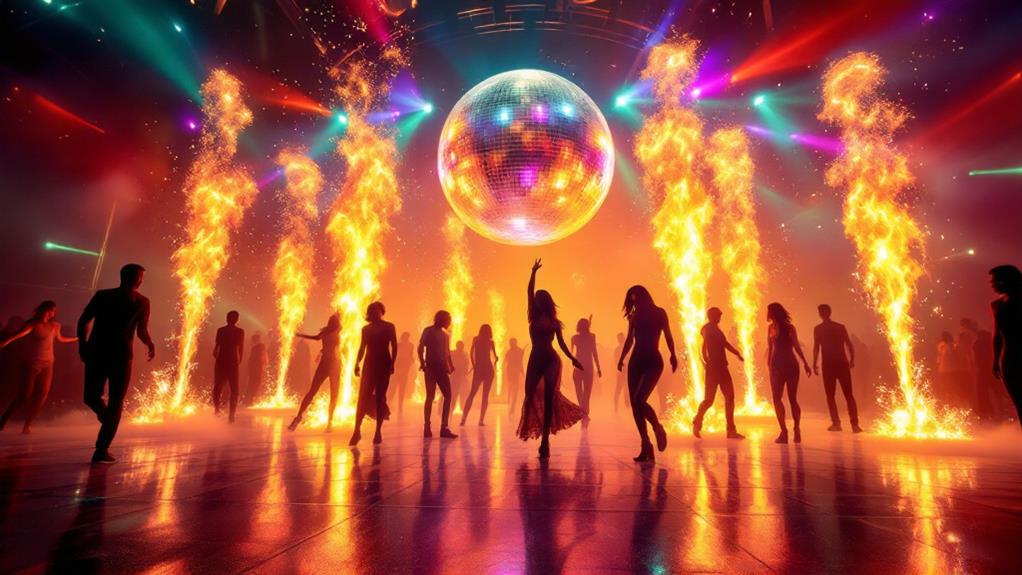
You'll find that fire and pyrotechnics played a central role in iconic disco performances. Venues like Studio 54 pioneered dramatic lighting and visual effects, incorporating flaming braziers, sparklers, and smoke machines. Artists like The Trammps, Donna Summer, and Gloria Gaynor used fiery stage setups to enhance their shows. Choreographers carefully planned dance routines to coincide with bursts of flames and sparks, creating unforgettable spectacles. Safety was paramount, with fireproof stages, extensive training, and strict regulations. These explosive elements weren't just for show; they became integral to disco culture, symbolizing the genre's passion and energy. The heat's just starting to rise on this burning topic.
The Origins of Disco Pyrotechnics
Many people associate disco with glittering balls and flashing lights, but the genre's fiery side often goes overlooked. If you're curious about the origins of disco's pyrotechnic spectacles, you'll need to travel back to the late 1960s and early 1970s in New York City. Iconic venues like Studio 54 and The Loft were at the forefront of this dramatic lighting and visual effects trend, incorporating flaming braziers, sparklers, and smoke machines into their nightlife experiences.
It was in the underground disco clubs of New York that the seeds of fiery performances were first sown. Innovative venues began experimenting with dramatic lighting and visual effects to enhance the energetic atmosphere that disco was known for. These pyrotechnics quickly became an integral part of the disco scene, enthralling clubgoers and setting the stage for even more elaborate displays.
As disco's popularity surged, thanks in part to the success of Saturday Night Fever, more artists and venues welcomed the use of pyrotechnics. The genre's emphasis on showmanship and theatricality made fire effects a natural fit, helping to solidify disco's reputation for high-energy, visually stunning performances.
Safety Measures in Disco Shows
Beneath the glitter and glamour of disco's fiery performances lay a foundation of rigorous safety protocols. You'd be surprised at the extensive measures taken to guarantee audience safety during these high-energy shows. Venues enforced strict fire safety standards, including fireproof stage setups and trained personnel on-site. Pyrotechnics were carefully regulated, with specific placement and safety mechanisms to minimize risks.
Performers weren't just dancing machines; they underwent thorough training to handle pyrotechnics safely. This commitment to safety extended beyond the stage, with disco troupes maintaining detailed emergency plans and conducting regular drills. The coordination between venue staff, production crews, and performers was precise, ensuring that fire and pyrotechnics remained controlled and spectacular.
To give you an idea of the safety measures in place, here's a quick rundown:
- Fireproof stage setups and strategically placed fire extinguishers
- Strictly regulated pyrotechnics with specific safety mechanisms
- Extensive performer training in handling fire effects
- Detailed emergency plans and regular safety drills
These precautions allowed disco to maintain its fiery reputation while prioritizing the well-being of everyone involved, from the dancers on stage to the audience grooving on the dance floor.
Iconic Fiery Disco Performances
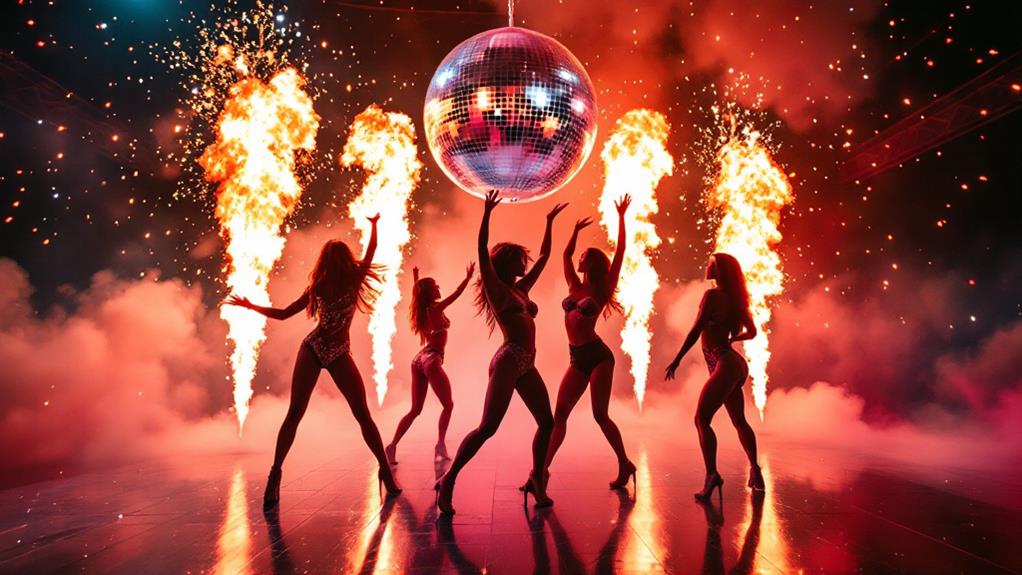
As the disco era reached its zenith in the late 1970s, fire and pyrotechnics became inseparable from the genre's most iconic performances. You'd witness The Trammps igniting the stage with their electrifying rendition of "Disco Inferno" in Saturday Night Fever, capturing the essence of disco's theatrical showmanship. Donna Summer's "MacArthur Park" performance on The Midnight Special would leave you mesmerized by swirling flames and flashing lights, elevating the visual spectacle of dance music. The dynamic movement and intense colors of laser shows defined the iconic disco vibe, as evidenced by the Village People's explosive fire effects during "Y.M.C.A." concerts, which exemplified disco's flair for the dramatic. Gloria Gaynor's fiery staging of "I Will Survive" amplified the song's empowering message, while KC and the Sunshine Band's high-energy shows incorporated pyrotechnics that epitomized the excitement of the disco craze. These performances weren't just about the music; they were immersive experiences that pushed the boundaries of live entertainment. All rights reserved, these fiery spectacles became the visual legacy of disco's golden age.
Pyrotechnic Equipment for Disco
To create the dazzling spectacles that defined disco's golden age, performers and stage designers relied on an array of state-of-the-art pyrotechnic equipment. As the genre's popularity soared in the late 1970s, especially in the United States, artists vied to outdo one another with increasingly elaborate stage productions. The iconic "Disco Inferno" wasn't just a hit song; it became a reality on stage thanks to specialized equipment like flash pots and flame effects.
You'd typically find these essential pyrotechnic elements at a disco performance:
- Smoke machines to create an ethereal atmosphere
- Strobe lights for disorienting, pulsating effects
- Rotating mirrored balls to scatter light across the dance floor
- Flash pots and flame projectors for dramatic bursts of fire
Safety was paramount when incorporating these fiery elements into shows. Trained technicians were essential to operate the equipment and follow strict protocols, ensuring the protection of both performers and audiences. The use of pyrotechnics became a hallmark of iconic disco acts like the Bee Gees, Gloria Gaynor, and Donna Summer, contributing to the larger-than-life persona of the disco era and converting concerts into unforgettable, multi-sensory experiences.
Choreographing With Fire Elements
The sizzling spectacle of disco performances reached new heights when choreographers began incorporating fire elements into their routines. As you can imagine, fire choreography techniques became an essential part of creating an electrifying atmosphere on the dance floor.
Choreographers diligently planned each move to coincide with bursts of flames, sparks, and pyrotechnics. They'd time dancers' formations to align perfectly with these fiery displays, adding an element of danger and excitement to the performance. Integrating pyro into dance routines required precision and careful coordination with lighting and special effects teams.
Visual effects pacing played a pivotal role in enhancing the overall experience. Lighting rigs and pyrotechnic effects were programmed to complement the beat and rhythm of the music, creating a cohesive audiovisual spectacle. You'd see dancers weaving between flames and sparks as they executed energetic steps, their movements perfectly synchronized with the fire elements.
Songs like "Disco Inferno" by The Trammps became iconic, thanks in part to these dazzling fire-infused performances. The combination of pulsating music, animated dance moves, and dramatic pyrotechnics solidified disco's reputation for over-the-top showmanship, leaving audiences spellbound and craving more of this incendiary entertainment.
Legal Regulations for Disco Pyrotechnics
While disco performers mesmerized audiences with fiery spectacles, behind the scenes, a complex web of legal regulations governed the use of pyrotechnics. If you're planning to incorporate fire effects into your disco show, you'll need to navigate a series of strict requirements designed to safeguard public safety.
First, you must obtain the necessary permits and comply with local fire codes. This involves working closely with venue owners and event organizers to fulfill all legal obligations. Additionally, you'll need to hire licensed pyrotechnicians who are trained to handle explosives and flammable materials safely.
Public safety concerns are paramount in the world of disco pyrotechnics. Here are some key points to ponder:
- Mandatory insurance policies for venues hosting pyrotechnic acts
- Strict adherence to safety protocols, including clear escape routes
- Presence of fire extinguishers and trained personnel
- Regular inspections and maintenance of pyrotechnic equipment
Permit requirements vary by location, but they typically involve detailed documentation of your planned effects, safety measures, and personnel qualifications. Remember, pyrotechnic licensing is essential for anyone operating these effects during your performance. By following these regulations, you'll create a dazzling yet safe disco inferno for your audience.
Environmental Impact of Disco Flames
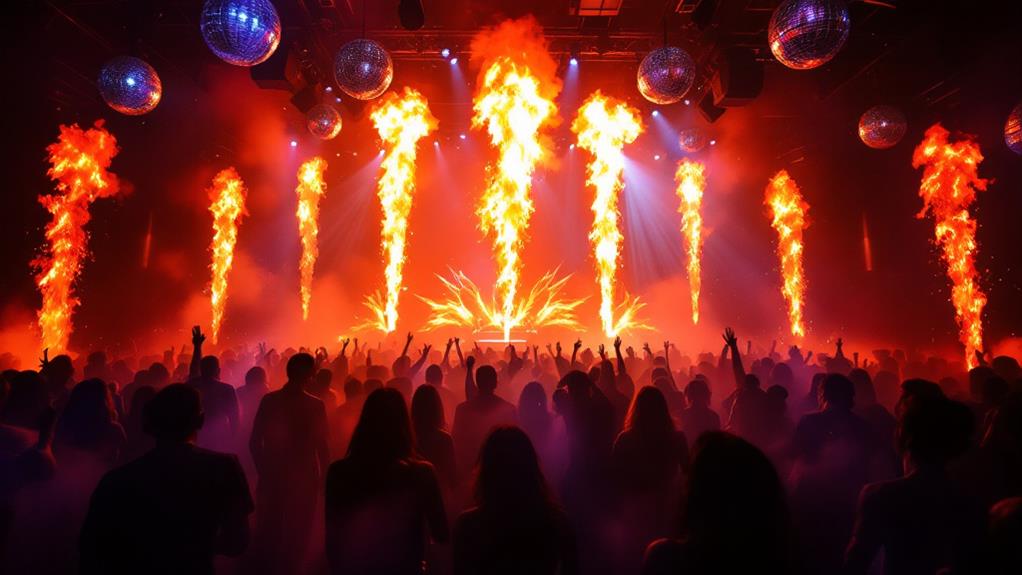
Disco's fiery spectacles came with an environmental price tag. As you danced under the glittering disco ball, you might not have realized the impact those dazzling flames had on the air you were breathing. Studies revealed that high-intensity flames in disco performances released significant amounts of air pollutants, including particulate matter and carbon monoxide.
Venue owners faced pressure to implement pollution control systems to mitigate these effects. They were advised to upgrade ventilation and install air filtration systems to combat the environmental impact of disco's pyrotechnics. Some areas introduced regulations requiring venues to conduct environmental impact assessments before hosting shows with open flames.
Artists and promoters also had to adapt, developing smoke mitigation strategies to reduce harmful emissions. This shift in awareness led to the exploration of more eco-friendly visual effects. As environmental consciousness grew, you might have noticed changes in the way disco shows were presented. The iconic "disco inferno" was transforming, balancing the desire for spectacle with the need for environmental responsibility. The dance floor became a testing ground for innovative, less polluting special effects.
Fire Symbolism in Disco Culture
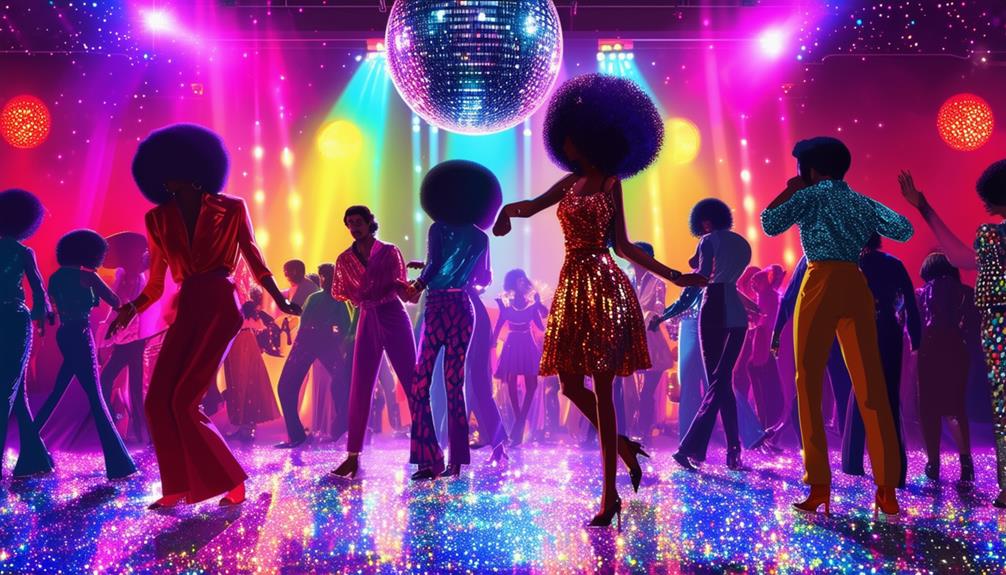
Fire-fueled symbolism ignited the heart of disco culture, transfiguring dance floors into infernos of passion and liberation. You couldn't escape the cultural significance of flames in the disco era, as they represented the unbridled energy and hedonistic spirit of the time. The visual allure of fire displays was everywhere, from pyrotechnic shows to shimmering, flame-like fabrics adorning dancers' bodies.
The emotional intensity of disco was perfectly encapsulated by the "burn baby burn" lyrics of "Disco Inferno," reflecting the fiery passion that defined the genre. You'd find yourself surrounded by fire imagery, with clubs incorporating flame-themed decor and the iconic disco ball casting flickering light across the dance floor.
Fire symbolism in disco culture manifested in various ways:
- Pyrotechnics creating spectacular visual effects
- Metallic fabrics mimicking glowing flames
- Fire-inspired club designs and atmospheres
- Lyrics and song titles referencing flames and burning passion
The use of fire imagery in disco represented more than just visual spectacle. It embodied the genre's emphasis on sensuality, freedom, and unrestrained energy, making every night at the disco a truly incendiary experience.
Memorable Disco Inferno Stage Sets
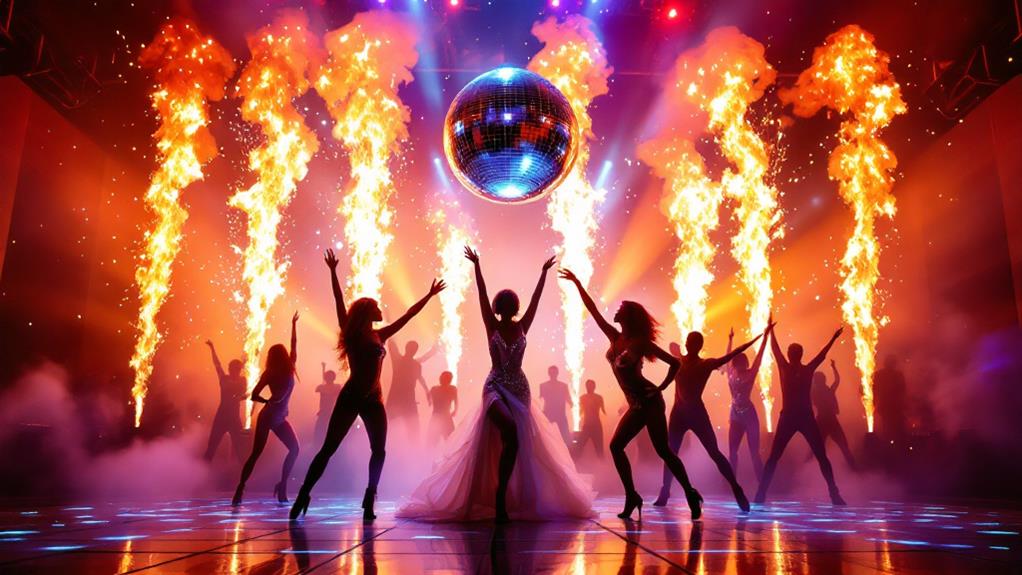
As disco culture blazed through the 1970s, Disco Inferno's stage sets became legendary for their ability to transport audiences into a dazzling world of light and sound. You'd be mesmerized by the glittering disco balls, flashing strobe lights, and the towering, illuminated "Disco Inferno" sign that set the mood for their electrifying performances.
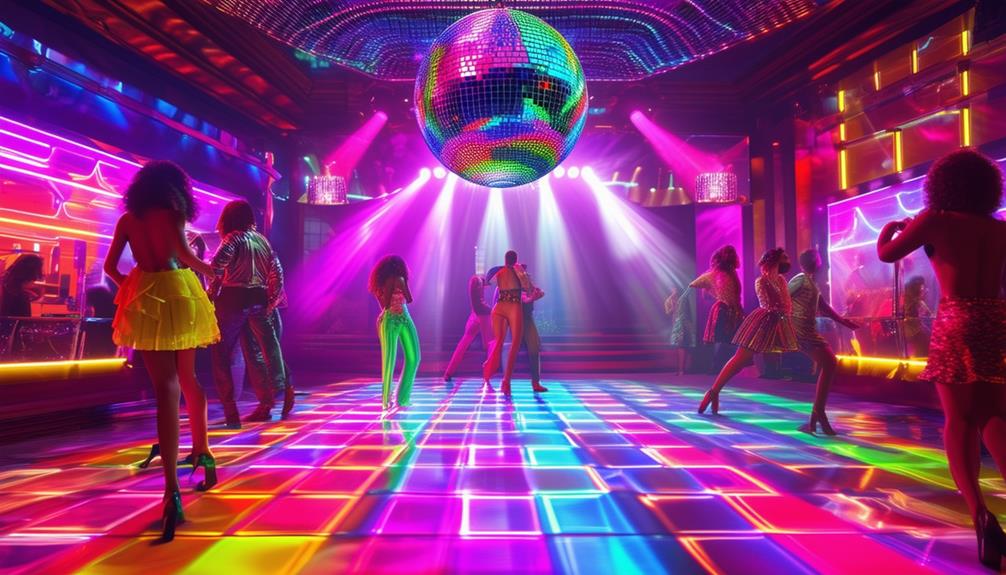
The group's use of spectacle enhancing pyrotechnics, including bursts of fire and smoke, guaranteed the energy and excitement of their shows. Elaborate backdrops and set pieces, like inflatable disco balls and neon-lit dance floors, immersed you in the vibrant atmosphere of 1970s disco culture.
Disco Inferno's stage design brilliantly blended retro aesthetics with modern lighting design elements, creating a visually stunning experience that complemented their dynamic routines. The group's meticulous attention to detail, from coordinated costumes to strategic placement of lighting and pyrotechnics, ensured unforgettable performances.
While the spectacle was breathtaking, it is crucial to note that extensive rehearsal safety protocols were likely implemented to maintain the well-being of performers and audience members alike, allowing everyone to safely enjoy the fiery disco extravaganza.
Pyrotechnics in Modern Disco Revival
With the resurgence of disco in recent years, modern revival acts have adopted the fiery spectacle of their 1970s predecessors. You'll find contemporary disco performances incorporating pyrotechnics and fire-based effects to recreate the high-energy atmosphere of classic discotheques. These shows blend creative lighting design with dramatic flame jets, smoke machines, and fireworks to emulate the extravagant visual effects that defined the disco era.
The strategic use of pyrotechnics in modern disco revival concerts offers several benefits:
- Heightens the visceral experience for audiences
- Adds an element of danger and excitement
- Enhances the overall spectator experience
- Helps recreate the authentic 1970s disco atmosphere
Successful implementation of these fire-based effects requires carefully planned safety and coordination with local authorities. You'll notice that many popular disco revival acts have made pyrotechnics a signature aspect of their live shows. From dazzling dancer fire displays to synchronized flame jets, these elements contribute to the immersive spectacle. Audience reactions often reflect the heightened energy and excitement that these fiery performances generate, creating a truly unforgettable disco inferno experience.