How Did Disco Decor Reflect the Optimism and Energy of the 1970s?
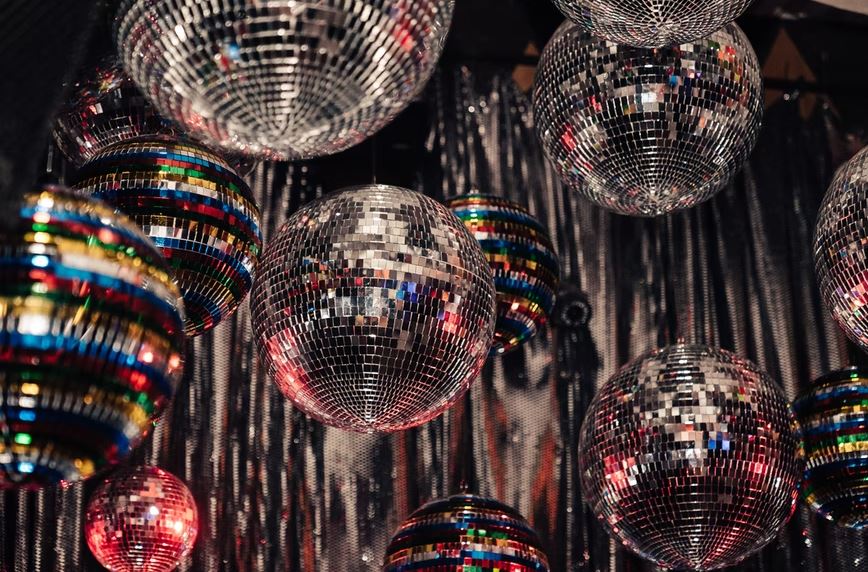
When you think about the 1970s, disco decor likely comes to mind with its vibrant color schemes and glittering embellishments capturing the period's infectious optimism and high energy. Neon pinks and electric blues weren't just colors; they were statements celebrating life and movement. Futuristic designs and reflective surfaces infused a sense of forward-thinking excitement.
The iconic disco ball turned any space into a shimmering spectacle of light and rhythm. Additionally, plush velvet seating and neon lighting contributed to this unforgettable atmosphere, creating comfortable yet visually striking environments that invited people to dance and socialize.
Vibrant Color Schemes
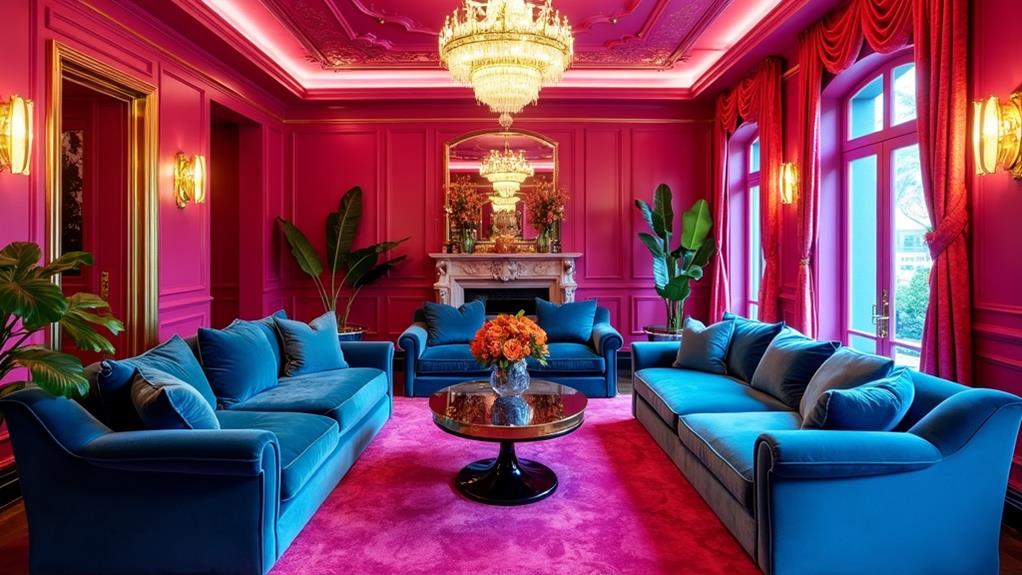
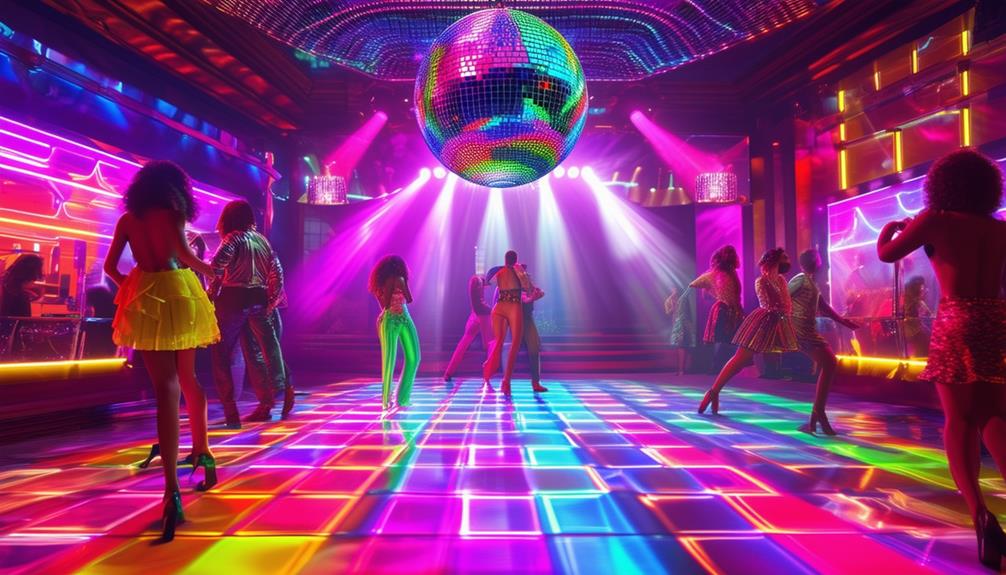
The vibrant color schemes of disco decor in the 1970s, featuring neon pinks, electric blues, and shimmering metallics, created an energetic and visually stimulating atmosphere. Walking into a disco club in New York during this period, you'd be immediately struck by the explosion of bold and bright colors. These vivid hues were integral to the party experience, making every night feel like an electrifying celebration.
In New York, disco clubs epitomized nightlife, with decor reflecting the era's optimism and energy. Neon pinks and electric blues provided a dynamic backdrop, while shimmering metallics added glamour and sophistication. This flashy and colorful style symbolized liberation and hedonism, inviting everyone to revel in the moment's joy.
Mirrored surfaces and glittering disco balls amplified these vibrant colors, creating a kaleidoscopic effect as they reflected across the room. Flashing lights synchronized with the music, further intensifying the lively ambiance. The use of these vibrant color schemes made every night in New York's disco scene unforgettable.
Futuristic Designs
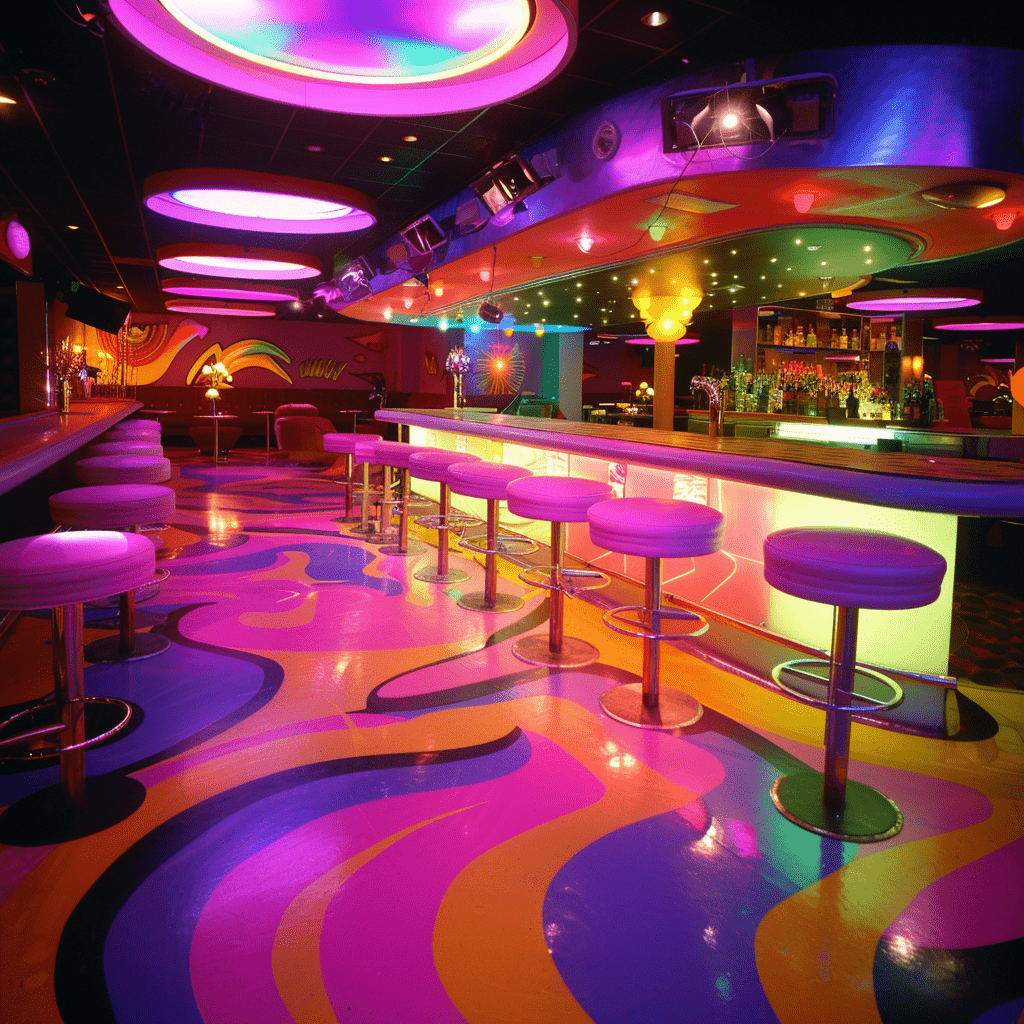
The futuristic designs that defined disco decor in the 1970s were unmistakable. Sleek metallic finishes, bold geometric patterns, and space-age inspirations like UFOs and planets were prevalent. These elements weren't just decorative but also symbolized the era's optimism and excitement about the future.
Space-Age Inspirations
Space-age inspirations in disco decor captured the 1970s' optimism through sleek, futuristic designs. Entering a disco club enveloped you in an atmosphere that mirrored the exuberance of the era. Dance music pumped through the speakers, and the decor played a crucial role in enhancing that vibrant experience.
Mirrored and metallic surfaces reflected both the light and the boundless energy of the dancers, creating an almost otherworldly ambiance. Geometric shapes and bright colors added a playful yet sophisticated touch, making you feel like you were dancing in a futuristic utopia. These reflective surfaces and bold patterns weren't just aesthetic choices; they created a dynamic environment that seemed to move and pulsate with the beat.
Futuristic lighting fixtures, from iconic disco balls to neon lights, further amplified this sense of space-age wonder. These elements didn't just light up the room—they electrified it, turning every dance floor into a glowing, kinetic space. The overall effect was a visual representation of the 1970s' boundless optimism and energy, making every night out an unforgettable, futuristic adventure.
Sleek Metallic Finishes
In disco decor, sleek metallic finishes like chrome and mirrored surfaces captured the futuristic design aesthetic of the 1970s. These elements weren't just about embracing modernity; they symbolized the era's technological advancements and boundless optimism.
Entering a disco club adorned with reflective surfaces felt like stepping into another world. Mirrored walls, ceilings, and iconic disco balls created a mesmerizing play of light and reflections, making the dance floors come alive.
Giorgio Moroder, a pioneer in electronic dance music, embraced this futuristic vibe in his productions, paralleling the visual experience of disco decor. The shiny, reflective surfaces weren't just for display—they created a dynamic environment that encouraged movement and social interaction. The energy and excitement were palpable.
The use of metallic finishes aimed to evoke luxury and sophistication, offering an escape from everyday life. The glamorous atmosphere made everyone feel like a star, enhancing the overall celebratory ambiance of the period. When you think of disco, it's impossible not to picture those dazzling, sleek surfaces that defined the 1970s aesthetic.
Bold Geometric Patterns
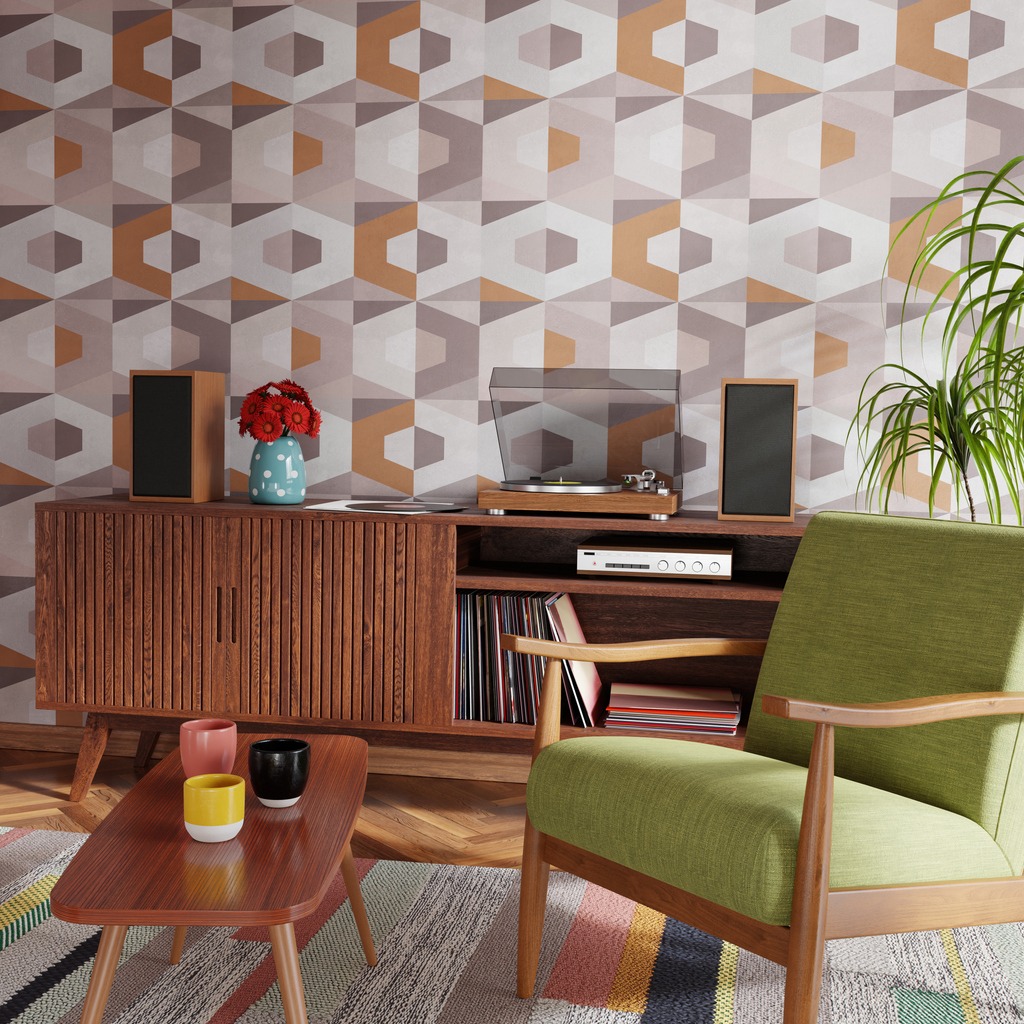
Bold geometric patterns in disco decor epitomized the optimism and energy of the 1970s, transforming spaces with vibrant colors and dynamic designs. Zigzags, circles, and squares adorned walls, floors, and even furniture. These geometric shapes were not just visually striking; they symbolized the forward-thinking and progressive spirit of the disco era.
The use of vivid colors like orange, yellow, and turquoise amplified the lively atmosphere. Imagine stepping into a room where every surface radiates energy, thanks to those bold patterns and bright hues. The dynamic interplay of colors and shapes was intentional, creating a sense of modernity and technological advancement that defined the 1970s.
Here are some key features:
| Element | Description |
|---|---|
| Geometric shapes | Zigzags, circles, squares |
| Colors | Orange, yellow, turquoise |
| Lighting fixtures | Emphasized geometric designs |
| Wall decorations | Bold patterns with dynamic forms |
| Furniture | Incorporated geometric shapes and vibrant colors |
These elements collectively contributed to a distinctive and memorable aesthetic that remains iconic of the disco era.
Glittering Embellishments
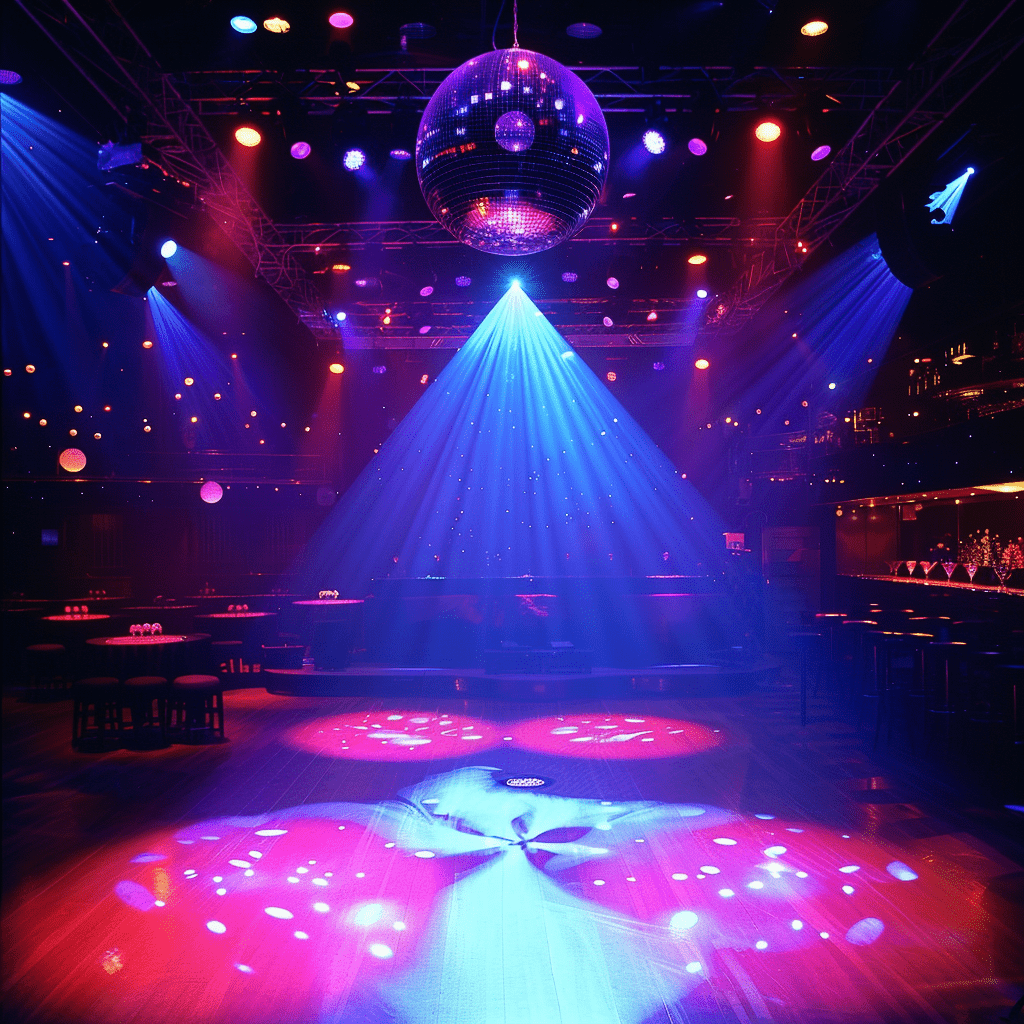
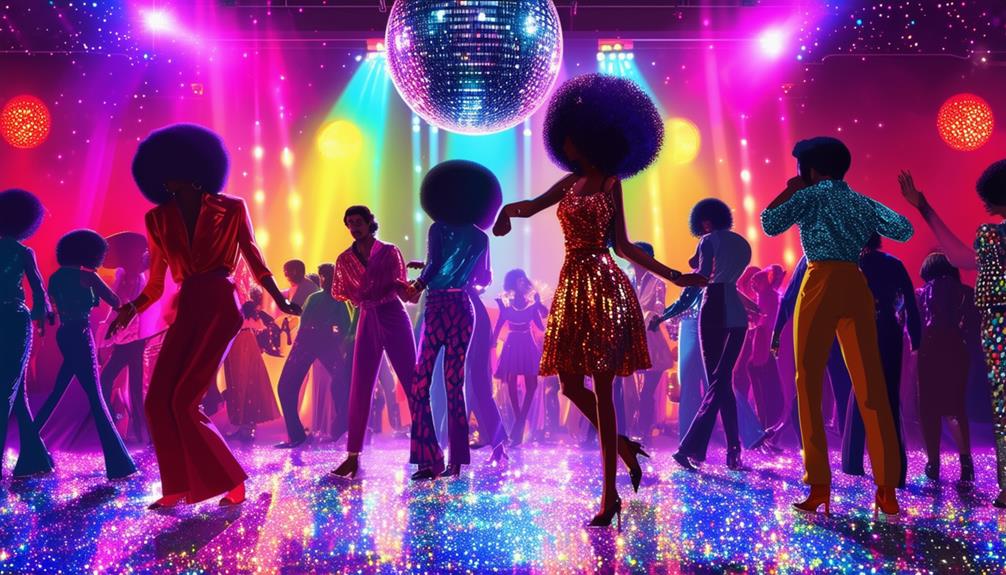
When you think of disco decor, glittering embellishments like mirrored tiles and metallic fabrics immediately come to mind. These sparkling surfaces weren't just for show—they reflected the vibrant energy of the era. Pair them with dazzling light fixtures like disco balls and strobe lights, and you create an atmosphere bursting with excitement and celebration.
Sparkling Surfaces Everywhere
Have you ever wondered why the disco decor from the 1970s is so unforgettable and striking? It's all about the abundance of sparkling surfaces that dominated the scene. This era was characterized by the use of reflective materials that captured and scattered light, creating an atmosphere full of energy and optimism. These materials weren't just decorative; they represented the celebratory and opulent nature of disco culture.
Upon entering a disco club, you'd be immediately immersed in a world of glittering embellishments. Here's a quick look at what you might've encountered:
- Mirrors: Walls covered in mirrors amplified the space and reflected light, making the dance floor appear infinite.
- Disco Balls: These iconic fixtures spun above, casting beams of light in every direction, creating a mesmerizing spectacle.
- Metallic Accents: From furniture to wall decorations, metallic finishes provided a sleek, modern touch that shimmered under the club lights.
- Sequined Curtains: These glitzy drapes added texture and sparkle, making every corner of the room catch your eye.
Incorporating these elements wasn't just about aesthetics; it was about embodying the high-energy, optimistic spirit of the 1970s disco scene. The abundance of glittering surfaces made every night feel like a celebration.
Dazzling Light Fixtures
Nothing captured the essence of disco decor quite like the dazzling light fixtures that adorned the clubs with glittering embellishments. Enter any 1970s disco club, and you'd be greeted by a mesmerizing display of mirrored disco balls, shimmering curtains, and sparkling chandeliers. These elements weren't just decorative; they created a vibrant and energetic atmosphere that made you want to dance all night.
Reflective surfaces and shiny materials played a significant role in enhancing the sense of glamour and excitement. When lights hit those mirrored disco balls, beams of light scattered across the room, creating a magical, almost otherworldly effect. This wasn't just about aesthetics—it was about crafting an experience that felt optimistic and full of life.
Neon lights, strobe lights, and colorful LEDs added another layer of dynamism. Their ever-changing hues and rhythms made the space feel alive and contributed to the era's high-energy ambiance. The interplay of light and reflections wasn't random; it was a carefully orchestrated dance that mirrored the pulsating beats of the music, amplifying the period's infectious optimism and energy.
Iconic Disco Ball
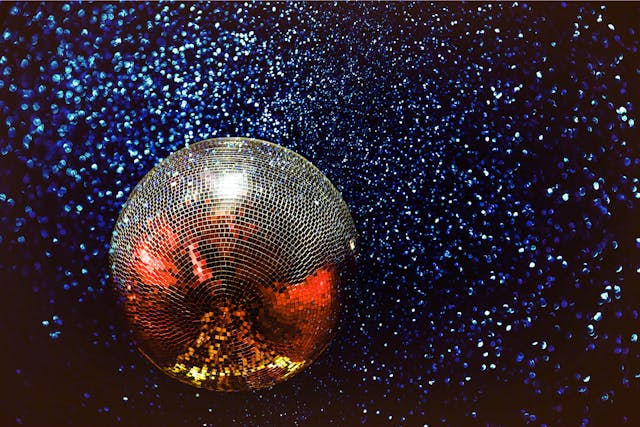
The iconic disco ball, adorned with countless tiny mirrors, transformed any dance floor into a dazzling spectacle of light and movement. As a central fixture in disco decor, it captured the essence of the 1970s' glitz, glamour, and energy. The small mirrors reflected light, creating a shimmering effect that captivated everyone on the dance floor.
Walking into a disco club, you'd immediately be immersed in the vibrant atmosphere, thanks to the mesmerizing rotation and reflection of colored lights from the disco ball. Often suspended from the ceiling or mounted on motorized platforms, it cast fragmented light patterns across the room, enhancing the party vibe.
Here's how the disco ball contributed to the overall ambiance:
- Symbol of Glitz: Its reflective surfaces embodied the decade's luxurious and extravagant style.
- Visual Spectacle: The dynamic light show created by the rotating mirrors added a thrilling visual element.
- Enhanced Experience: The interplay of colored lights and moving reflections made dancing more immersive.
- Cultural Icon: The disco ball became synonymous with the celebratory spirit of the disco age, representing fun and escapism.
In essence, the disco ball wasn't just decor; it was an essential element that embodied the optimism and exuberance of the 1970s.
Plush Velvet Seating
Plush velvet seating, with its vibrant colors and luxurious texture, elevated the ambiance of any disco venue in the 1970s. Imagine stepping into a club bathed in rich purples, deep blues, and bold reds. The soft, opulent feel of the velvet seats invites you to relax and lose yourself in the pulsating rhythms of Donna Summer's latest hits.
These seating arrangements didn't just look glamorous; they represented the period's emphasis on extravagance and indulgence. Paired with shiny, reflective surfaces like mirrored walls and disco balls, velvet seating created a dynamic, energetic atmosphere that mirrored the lively spirit of the disco scene. The environment oozed sophistication and excitement, encapsulating the essence of the era.
The comfort and style provided by plush velvet seating made it perfect for socializing and dancing. As you mingled with fellow disco enthusiasts, the luxurious seating allowed you to recharge before hitting the dance floor again.
This decor choice symbolized the optimism and exuberance of the disco age, offering a trendy and immersive setting. In these vibrant spaces, you could escape and fully engage with the thriving music and culture of the 1970s.
Neon Lighting
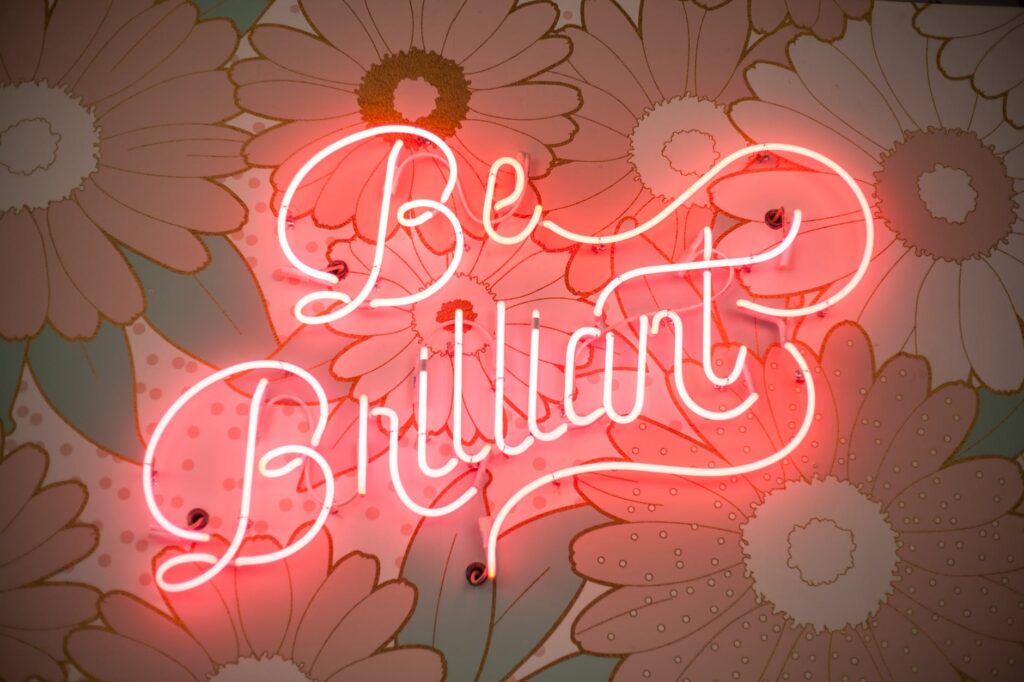
Imagine stepping into a disco club where vibrant neon lights pulse in sync with the beat, creating an electrifying atmosphere. In the United States during the 1970s, neon lighting was a cornerstone of disco decor. These glowing tubes, filled with neon gas, brought a bright, colorful, and dynamic ambiance to any venue. The use of neon lights wasn't just about aesthetics; it symbolized the era's embrace of modernity and technological advancements.
Neon lighting played a pivotal role in capturing the high-energy vibe and optimism of disco clubs. Here's how neon lighting reflected the spirit of the 1970s:
- Futuristic Feel: Neon signs and fixtures created a space that felt ahead of its time, aligning with the era's fascination with the future.
- Dynamic Atmosphere: The continuous glow and changing colors kept energy levels high, matching the pulsating beats of disco music.
- Visual Appeal: Neon lights were visually striking, enhancing the overall aesthetic and allure of the clubs.
- Symbol of Modernity: The use of neon lights highlighted the technological progress of the period, reinforcing the optimistic outlook of the decade.
These elements combined to make neon lighting an unforgettable aspect of the disco age.
Conclusion
Disco decor captured the vibrant optimism and energy of the 1970s with bold color schemes, futuristic designs, and glittering embellishments. Every detail, from the iconic disco ball to plush velvet seating and dynamic neon lighting, exuded excitement and celebration. This dazzling environment made every night feel like a party, reflecting the period's hopeful and exuberant spirit. Disco decor truly defined the high-energy vibe of the era.