How Did Fantasy and Role-Playing Games Become Central to Nerd Culture?
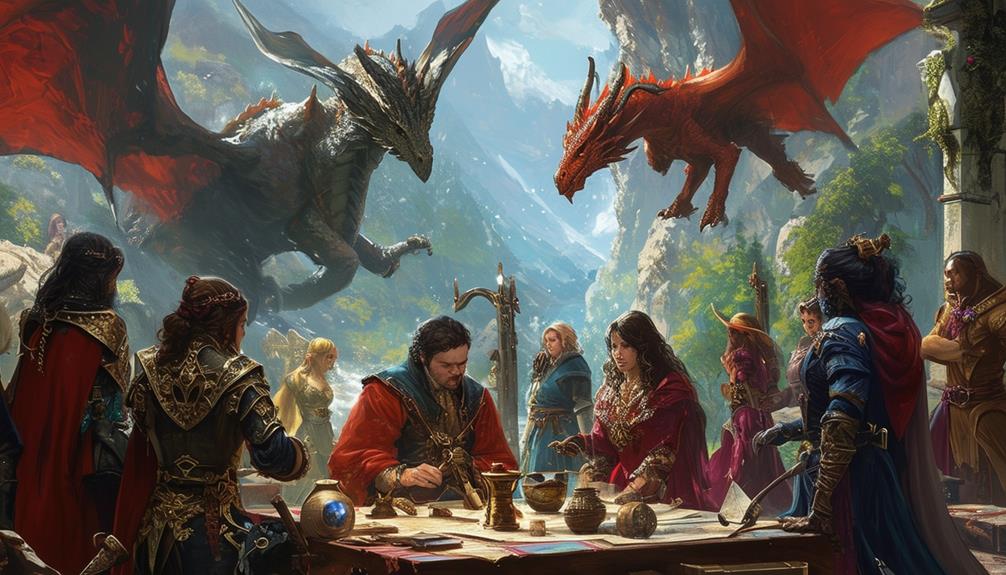
Fantasy and role-playing games have become central to nerd culture due to their unique ability to offer immersive experiences and foster community. The journey began with Dungeons & Dragons in the 1970s, which provided a platform to explore intricate worlds and develop complex characters collaboratively. This gameplay style created a strong sense of teamwork and camaraderie.
As digital platforms emerged, these games transitioned from niche interests to mainstream phenomena, bolstered by online play and pop culture references. Their magnetic appeal lies in their depth, creativity, and the strong communities they build. Let's explore the origins and evolution that have made these games indispensable to nerd culture.
Origins of Fantasy Gaming
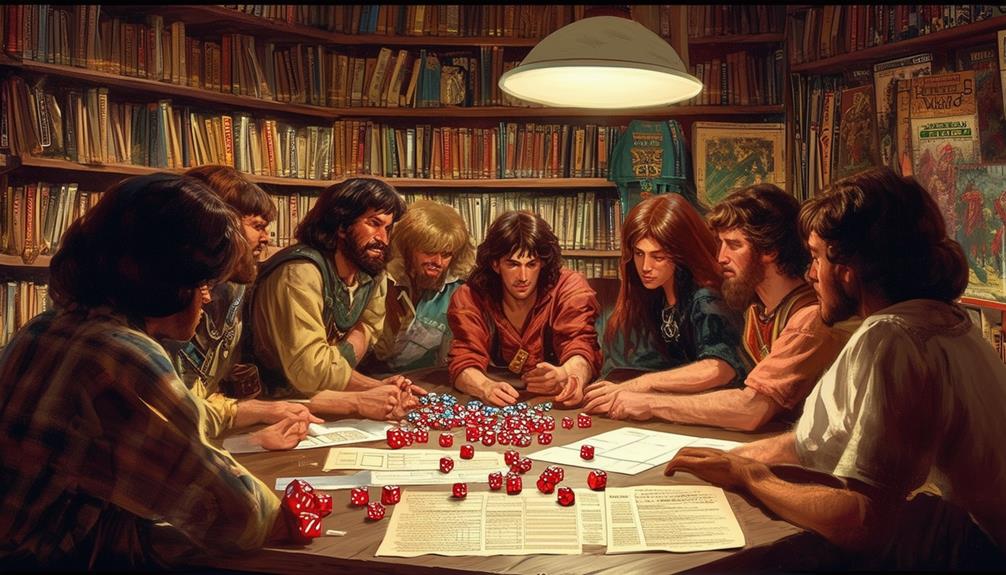
Fantasy gaming, a cornerstone of nerd culture, began with the release of Dungeons & Dragons in 1974. Created by Gary Gygax and Dave Arneson, D&D introduced the world to tabletop role-playing games, capturing the imaginations of countless players. Influenced by the rich worlds of authors like J.R.R. Tolkien, Dungeons & Dragons enabled players to embark on epic adventures, slay dragons, and journey through mystical worlds—all from the comfort of their living rooms.
The origins of fantasy gaming are deeply rooted in the collaborative storytelling and strategic gameplay that D&D offered. Players could assume the roles of wizards, warriors, and rogues, creating their own narratives while navigating complex quests. The game's rules and mechanics provided a structured yet flexible environment where creativity thrived.
Despite facing challenges like the 1980s Satanic Panic, which led to a temporary decline, fantasy gaming persisted. The release of D&D Fifth Edition in 2014 revitalized the community, making it more inclusive and accessible. Shows like Critical Role, which started in 2015, further broadened the appeal, showcasing the diversity and expansiveness of fantasy gaming.
Today, these role-playing games continue to be a crucial part of geek culture's evolution.
Evolution of Role-Playing Games
Role-playing games (RPGs) have evolved significantly since their inception in the 1970s, diversifying into various genres and enriching popular culture. Initially, games like Dungeons & Dragons (D&D) captivated players with shared fantasy adventures, allowing them to adopt alternate personas and participate in collaborative narratives. Over the years, the scope of RPGs has expanded extensively.
Today, you can explore a wide range of RPG genres that extend beyond medieval fantasy, such as:
- Superhero Themes: Games like 'Mutants & Masterminds' let you embody superheroes, facing off against villains in epic battles.
- Gothic Horror: Titles such as 'Vampire: The Masquerade' immerse you in dark, supernatural worlds filled with intrigue and the occult.
- Supernatural Investigations: In games like 'Call of Cthulhu,' you can explore mysteries involving eldritch horrors and ancient secrets.
This diversification reflects the cultural growth and complexity of RPGs, turning them into platforms for creative expression and varied storytelling.
Events like GenCon showcase this variety, offering players experiences ranging from traditional fantasy role-playing to niche titles like 'Empire of the Petal Throne.' As a result, RPGs have fostered a Golden Era of geek culture, continually pushing the boundaries of imagination and community.
Community and Social Dynamics
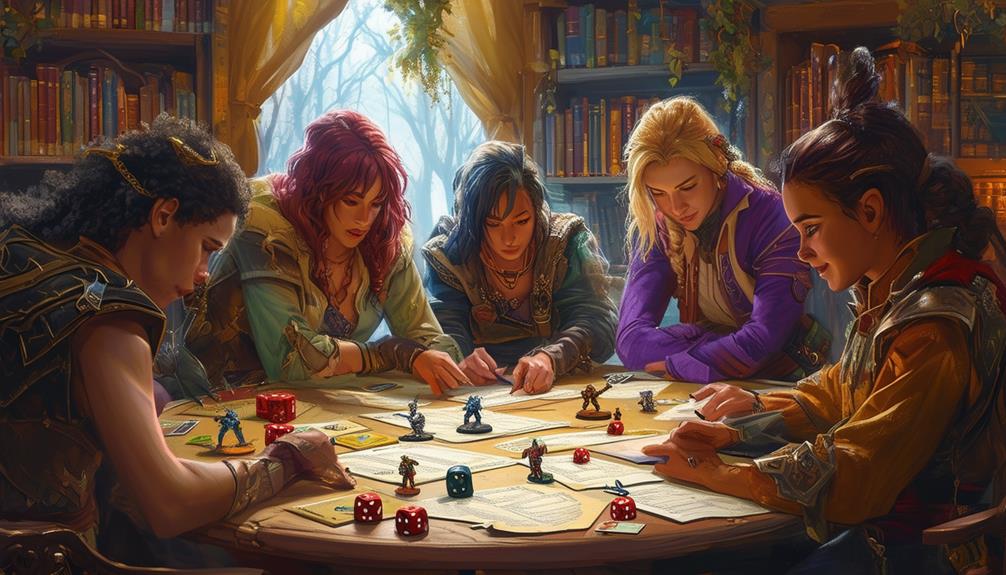
As RPGs have diversified and grown, they've also cultivated vibrant communities where enthusiasts connect and collaborate. These communities provide platforms for social interaction and storytelling, blending creativity and camaraderie. Recognizing their importance, the gaming industry continuously develops systems and tools to make collaborative play more accessible and engaging.
When you immerse yourself in an RPG, you're not just playing a game; you're engaging in a shared narrative that encourages teamwork and imagination. This collaborative nature fosters a sense of belonging, as you and your fellow players create lasting friendships through shared adventures. It's a space where you can explore different identities and overcome social barriers, promoting inclusivity.
RPG communities have evolved to be welcoming and diverse, embracing individuals from various backgrounds and interests. Whether you're a seasoned gamer or a newcomer, there's always a place for you at the table. These communities bring people together, creating a supportive network that enriches your gaming experience and beyond.
Influence of Pop Culture
Pop culture has significantly enhanced the visibility and appeal of RPGs through various media such as films, TV shows, and other platforms. When audiences see their favorite characters engaging in role-playing games, it piques curiosity and interest. For example, shows like *Stranger Things* have played a crucial role in reviving interest in Dungeons & Dragons and other RPGs. Accurate portrayals of gameplay offer valuable insights into the hobby for newcomers.
Media representations are essential in shaping public perception of RPGs and geek culture. Cartoons like *Scooby-Doo! Mystery Incorporated* go the extra mile to depict RPGs realistically, showcasing authentic gameplay and terminology. This kind of representation demystifies the games, making them more accessible and appealing to a wider audience.
Here are three ways pop culture has influenced the mainstream appeal of RPGs:
- Increased Visibility: TV shows and movies have brought RPGs into the spotlight, making them more mainstream.
- Relatable Characters: Seeing beloved characters play RPGs can inspire viewers to try the games themselves.
- Accurate Portrayal: Realistic depictions in media provide an authentic look into the world of RPGs, sparking interest and understanding.
Digital Transformation and Online Play
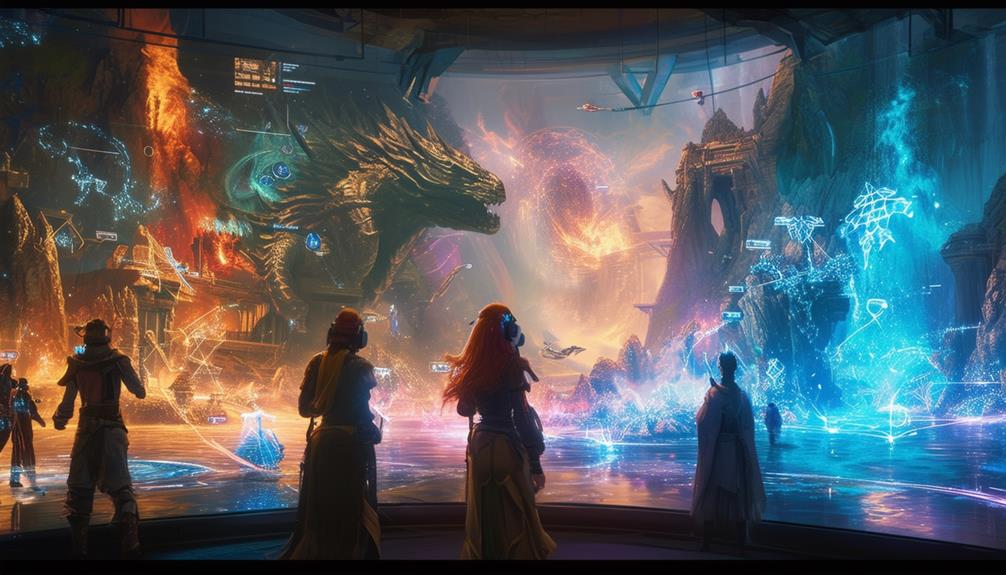
The digital transformation of RPGs has revolutionized player engagement, making it easier than ever to immerse in virtual worlds. The transition from traditional tabletop role-playing games to online play has unlocked numerous possibilities. Platforms such as Roll20 and Fantasy Grounds have modernized the experience, providing tools that enhance the immersive nature of these games.
| Traditional RPG | Digital RPG |
|---|---|
| Physical presence required | Online play from anywhere |
| Limited to local players | Global player base |
| Manual management | Automated tools |
This digital shift has greatly increased the accessibility of role-playing games. Online play removes geographical barriers, enabling participation from players worldwide. This fosters the growth of virtual tabletop communities where creativity and collaboration flourish.
Video games have also significantly contributed to this evolution, merging elements of traditional RPGs with interactive digital experiences. The move to online platforms allows for immersive adventures without the need to leave home. This digital transformation has undeniably boosted the popularity and centrality of RPGs in contemporary nerd culture.
Conclusion
Fantasy and role-playing games have evolved from their origins with Dungeons & Dragons in the 1970s into a diverse and inclusive hobby that fosters community, creativity, and teamwork. These elements have made them a cornerstone of nerd culture. Influences from pop culture and advancements in digital technology have expanded their reach, enabling global connectivity and gameplay.
With endless adventures and storytelling opportunities, these games remain an enduring and beloved part of the gaming world.