
How Did Nerd Culture Contribute to the Tech Boom?
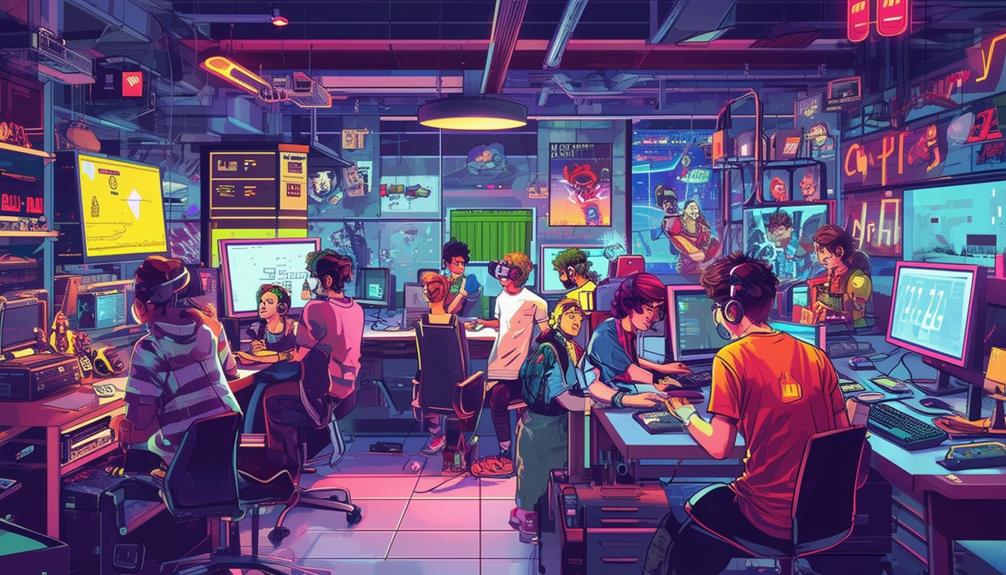
Nerd culture played a pivotal role in sparking the tech boom, transcending its humble beginnings in basements and garages. This culture wasn't solely about a fascination with coding and gadgets; it thrived on a collaborative spirit and a passion for innovation.
Activities like online gaming and Dungeons & Dragons fostered problem-solving and creativity, laying the groundwork for future technological advancements. But how did these grassroots movements translate into significant investment and innovation in the tech industry?
The answer lies in the deeper connection between these communities and the emerging digital landscape, which is crucial to understanding the evolution of today's tech-driven world.
The Rise of Online Gaming
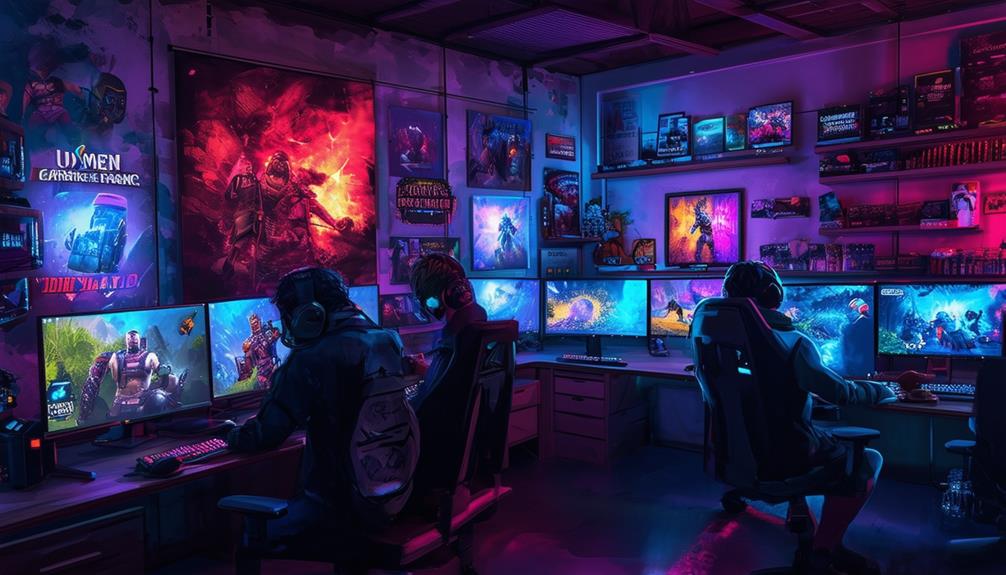
Online gaming has seen a significant surge in popularity, driven by enthusiastic communities and technological advancements. Platforms like Twitch and YouTube have become essential for gamers to showcase their skills and engage with their audience. These platforms facilitate community-building, which has, in turn, fueled the growth of professional esports.
Esports has evolved into a substantial industry. Enthusiast communities have led to the creation of professional leagues, tournaments, and sponsorship deals, turning esports into a viable career path. Games like World of Warcraft and League of Legends have achieved global recognition, supported by dedicated online communities.
The demand for high-performance computers, graphics cards, and other hardware to support immersive gaming experiences has significantly contributed to the tech industry's growth. Participation in online gaming connects you with players worldwide, fostering a sense of community and collaboration and further driving technological advancements.
Influence of Dungeons & Dragons
Dungeons & Dragons, created by Gary Gygax and Dave Arneson in 1974, significantly influenced early nerd culture and helped develop essential skills like creativity and problem-solving. By immersing yourself in the world of D&D, you engage in complex storytelling, strategic planning, and collaborative problem-solving—skills that were crucial for many tech pioneers.
Notably, tech icons like Elon Musk and Steve Wozniak have attributed some of their strategic thinking abilities to their experiences with Dungeons & Dragons. The game's focus on imagination and logic closely aligns with the visionary thinking necessary to drive technological advancements. The 1980s saw a rise in D&D's popularity parallel to the advent of personal computers, intertwining nerd culture with emerging tech trends.
As a D&D player, you learn to navigate intricate scenarios and work effectively as part of a team, qualities that are invaluable in tech environments. This fusion of creativity and technical skill inspired a generation of tech enthusiasts to push the boundaries of innovation. By embracing both the imaginative and logical aspects of D&D, you contribute to the collaborative and inventive spirit that propelled the rapid growth of the tech industry.
Platforms for Content Creators
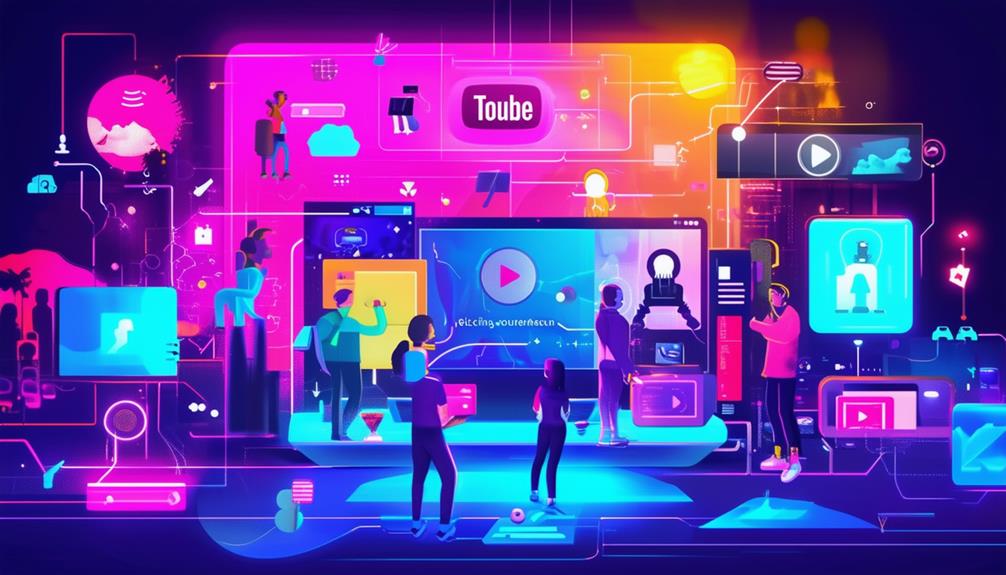
Transformed platforms like YouTube and Patreon have provided content creators with sustainable income sources, fueling their passion for nerd culture. On YouTube, creators can share their love for gaming, comics, and other nerdy interests through monetized videos, gaining ad revenue and viewer donations. Patreon offers a subscription-based model, allowing fans to support their favorite creators with monthly contributions. This financial support enables creators to focus on their content full-time, driving more innovation and engagement within nerd communities.
WebToon has modernized the comic industry by providing a digital platform for comic artists to publish their work. With 72 million monthly users and revenues of 820 billion Korean won in 2020, WebToon has demonstrated the vast audience for digital comics. This platform allows artists to reach a global audience and earn revenue through ads and premium content.
These platforms haven't only offered financial stability for creators but have also facilitated the growth of niche communities. Whether you're into indie games, online gaming, or comics, platforms like YouTube, Patreon, and WebToon enable you to connect with like-minded individuals, fostering creativity and deeper engagement in nerd culture.
Investment in Technology
Nerd culture's early adoption and promotion of technology have significantly fueled investment and innovation in the tech industry. This phenomenon can be traced back to the enthusiastic support from nerds for emerging tech trends, leading to increased funding and research in tech companies.
Nerd communities didn't just discuss the latest gadgets and software—they actively contributed to the growth of tech startups through crowdfunding and angel investments.
Here are three key ways nerd culture has driven tech investment:
- Crowdfunding Campaigns: Platforms like Kickstarter and Indiegogo have seen numerous tech projects funded by nerds eager to support innovative ideas.
- Angel Investments: Financially capable nerds often serve as angel investors, providing crucial early-stage funding for tech startups.
- Market Demand: Nerds' enthusiasm for cutting-edge gadgets and software creates a robust market, encouraging further investment and development.
Software Development Surge

Nerd culture's enthusiasm for coding and software development ignited a surge in tech companies during the late 20th century. Many early tech pioneers, deeply rooted in nerd culture, were pivotal in the software industry's growth. Programs like BASIC, created by enthusiasts, made coding accessible and popular. This grassroots innovation and problem-solving movement laid the foundation for today's tech boom.
The fascination with technology within nerd culture often intertwined with interests in comic books and media. The problem-solving skills honed through these hobbies translated seamlessly into software development. Nerds' dedication to technology was evident in their relentless pursuit of creating better software, leading to rapid advancements.
Here's a snapshot of how this played out:
| Aspect | Impact |
|---|---|
| Comic Books | Inspired creative problem-solving strategies |
| Media | Spread technological enthusiasm |
| Social Media | Enabled collaboration and knowledge sharing |
As social media emerged, it provided a platform for nerds to share knowledge and collaborate globally, further accelerating software development. This collective passion and collaborative spirit were key drivers behind the explosion of tech companies, cementing nerd culture's crucial role in the software development surge.
Digital Infrastructure Growth
Pioneers from geek culture laid the groundwork for the digital infrastructure that shapes our modern world. Early technology enthusiasts weren't just users but builders, fueled by a passion for coding and innovation. Their relentless exploration and expansion of digital possibilities formed the foundation for the tech boom that has transformed our lives.
Consider the impact of geek culture on digital infrastructure through three key contributions:
- Internet Development: Enthusiasts from this community were pivotal in developing the internet, the backbone of our interconnected online world.
- Open Source Movement: Their commitment to open source projects fostered collaboration and innovation, leading to the creation of robust digital tools and platforms.
- Tech Communities: The formation of online forums and user groups facilitated the rapid exchange of ideas and solutions, accelerating technological advancements.
Thanks to the contributions of geek culture, we've witnessed an unprecedented tech boom. The interconnected online world we rely on today exists because of the groundwork laid by these early pioneers. Their dedication has enabled a seamless digital experience, driving countless innovations and opportunities.
Conclusion
Nerd culture's passion for coding, gaming, and collaboration has significantly fueled the tech boom. Activities like online gaming and Dungeons & Dragons fostered creativity and problem-solving skills, laying the groundwork for technological innovation.
Content creators and angel investors accelerated this growth, leading to rapid advancements in software development and digital infrastructure. By embracing technology early and building a supportive community, nerd culture didn't just participate in the tech boom—they were its driving force.