How Do Nerds and Geeks Differ?

When you think of nerds and geeks, you might initially group them together, but they actually possess distinct characteristics. Nerds typically immerse themselves in academic subjects like math and science, often preferring solitary activities. In contrast, geeks are more drawn to pop culture, technology, and entertainment, often thriving in group settings. These differences in focus and social preferences make each group unique. But what really defines a nerd versus a geek, and how do these identities shape their hobbies and interactions? Let's explore the nuances that distinguish these fascinating subcultures.
Defining Nerds
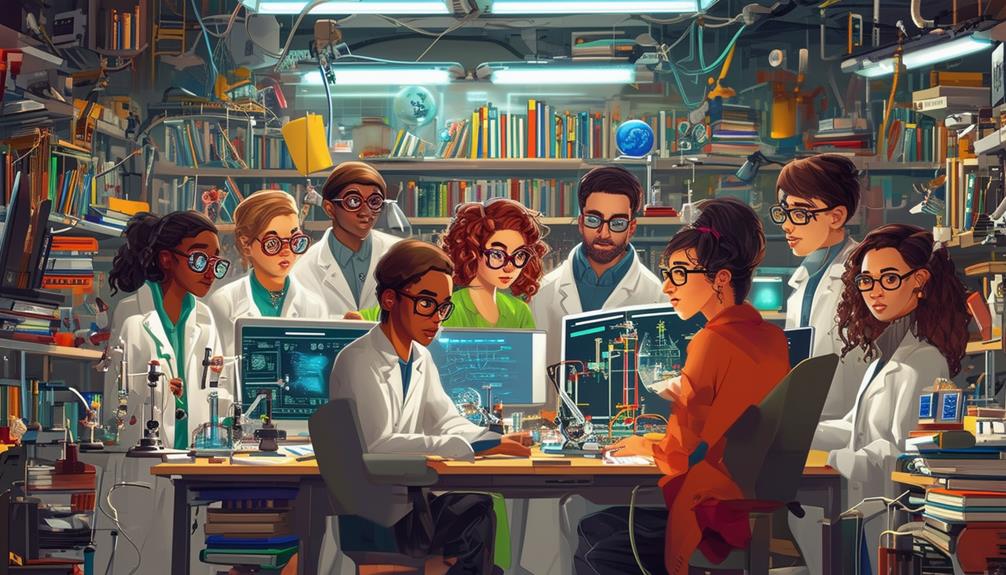
Nerds are individuals intensely focused on academic achievements and mastering specific skills. They're achievement-oriented, dedicating themselves to excelling in their chosen fields. Often deeply immersed in their studies, nerds are intellectuals with a profound thirst for knowledge. This drive for academic success and mastery makes them stand out in any academic or professional setting.
Known for their meticulous attention to detail, nerds often collect items related to their interests, such as rare books, scientific data, or vintage technology. These collections reflect their intellectual passions and dedication to learning and improvement, often leading them to attain high levels of expertise in their specialized areas. While they might prefer solitary activities over social interactions, this doesn't diminish their value. Instead, it highlights their commitment to personal and professional growth.
The term 'nerd,' which first appeared in a 1951 Dr. Seuss poem, has evolved to signify individuals who aren't only high-achieving but also deeply knowledgeable and dedicated to their pursuits.
Defining Geeks
While nerds focus on academic and intellectual pursuits, geeks are passionate enthusiasts with a deep love for specific subjects and elements of pop culture. Geeks immerse themselves in their chosen interests, often acquiring encyclopedic knowledge and skills related to their favorite topics. Unlike nerds, geeks are collection-oriented, amassing memorabilia, tech gadgets, or collectibles that reflect their passions. This isn't just about accumulating items but about celebrating and engaging deeply with their interests.
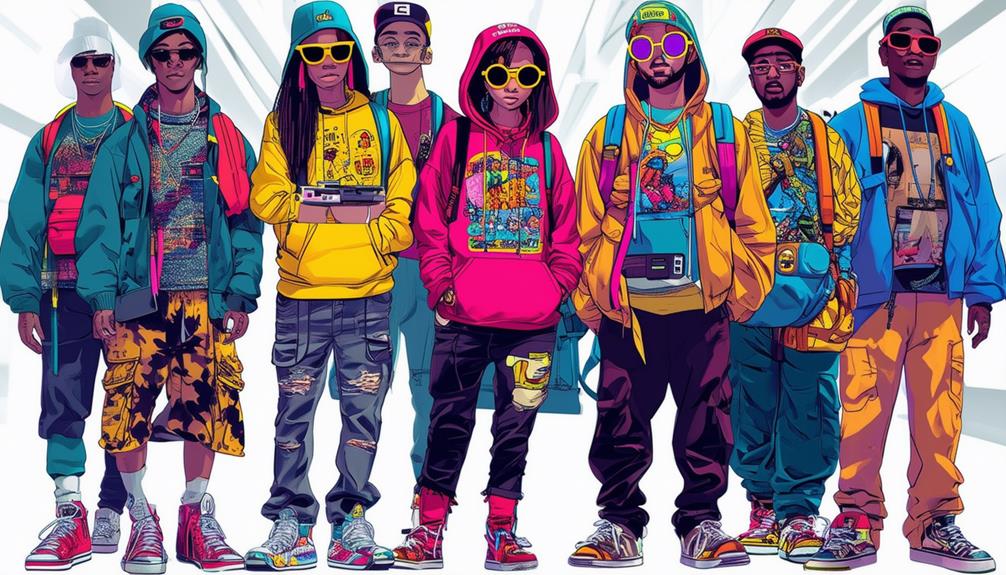
The term 'geek' has an intriguing history, originating from 18th-century circus performers in Europe. Over time, it evolved to describe individuals who are fervent about niche subjects. Today's geeks are recognized for their trend-following behavior and obsession with the latest in pop culture. You'll often see them wearing t-shirts that showcase references to beloved shows, movies, or games, signaling their interests to fellow enthusiasts.
Geeks tend to be more social and outgoing compared to nerds. They thrive in communities where they can share and discuss their hobbies with like-minded individuals. Whether it's through attending conventions, participating in online forums, or joining fan clubs, geeks find joy in connecting with others who share their enthusiasm.
Academic Interests
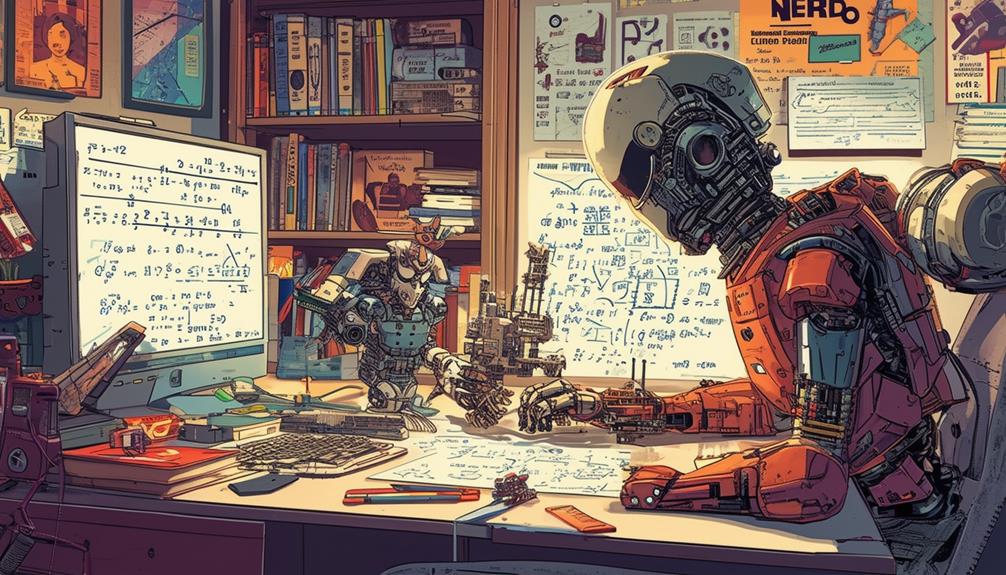
Nerds delve deeply into academic subjects, often excelling in areas like math, science, and history. They can frequently be found poring over textbooks, conducting experiments, or tackling complex equations. Their passion for learning and mastery in these fields sets them apart. Nerds immerse themselves in understanding intricate details, striving for profound knowledge and expertise.
In contrast, geeks have a broader range of interests that extend beyond academics. While they might engage with academic subjects, their enthusiasm often includes entertainment, gaming, and technology. For instance, a geek might collect memorabilia related to their favorite TV shows or video games, whereas a nerd is more likely to be engrossed in computer programming, engineering, or theoretical physics. This distinction highlights the different ways they engage with their intellectual pursuits.
Geeks are recognized for their passion across various topics, while nerds are noted for their deep, specialized knowledge in specific academic fields. When you think of a nerd, imagine someone who can explain complex scientific theories or solve advanced mathematical problems. Conversely, geeks might be more inclined to showcase their latest tech gadget or discuss the lore of their favorite sci-fi series.
Pop Culture Enthusiasm
Shifting from academic interests, let's explore how nerds and geeks express their enthusiasm for pop culture. Geeks often showcase their passion through tangible means, such as collecting movie memorabilia, comic books, and action figures. They take pride in displaying their collections and frequently wear apparel like t-shirts featuring their favorite movies, TV shows, or games. This visible display of fandom is a hallmark of geek culture.
Nerds, on the other hand, engage with pop culture in a more analytical manner. They enjoy dissecting and critiquing media, delving into themes, character development, and storytelling. A nerd might spend hours examining the lore and history behind a beloved series or write detailed essays exploring the societal impact of certain media forms.
Both nerds and geeks have a profound appreciation for pop culture, but their methods of engagement differ. While geeks prefer collecting and showcasing their interests, nerds are more inclined to analyze and understand the intricacies of their favorite media. These differences highlight the unique ways in which nerds and geeks celebrate the rich tapestry of pop culture.
Social Interactions

When considering social interactions, you'll notice that geeks are typically more enthusiastic about sharing their interests. They often use common slang and enjoy group activities, making them approachable. In contrast, nerds usually prefer solitude or small, focused groups, often communicating with specialized jargon related to their intellectual pursuits.
Communication Styles Differ
Both geeks and nerds have unique communication styles. Geeks tend to be more sociable and enjoy typical social interactions. They often use common slang and engage in casual conversations, making their communication relaxed and approachable. Geeks enjoy sharing their passions and interests with others, leading to conversations about pop culture, collectibles, and hobbies.
In contrast, nerds prefer clear and precise communication, often using technical jargon when discussing their specialized fields or academic interests. This makes their communication seem more formal. Nerds are usually more introverted and may prioritize solitary activities or studying over social interactions. Their conversations often focus on intellectual pursuits and analytical topics.
Understanding these differences can help you navigate social interactions with geeks and nerds more effectively. When talking to a geek, keep the conversation light and engaging. When interacting with a nerd, showing interest in their specialized knowledge can lead to meaningful discussions.
Group Dynamics Vary
Geeks thrive in social settings where they can share their interests, while nerds often prefer solitary activities that allow them to focus on intellectual pursuits. Geeks are more sociable and enjoy the company of like-minded individuals. They engage in group dynamics centered around shared passions such as gaming, comic books, or tech gadgets. Geeks frequently participate in conventions, meetups, and online communities, where they can delve into their interests and connect with others.
In contrast, nerds gravitate towards solitary pursuits like studying, researching, or programming, immersing themselves in their intellectual interests. Nerds are less likely to seek large social gatherings and more inclined towards one-on-one discussions or small, focused groups.
While geeks may use common slang and expressions in their interactions, nerds often prioritize clear communication, using technical jargon that reflects their emphasis on knowledge and skill.
Shared Interests Diverge
How do geeks and nerds differ in their social interactions? Geeks typically engage with others through shared passions in social settings like conventions or meetups. They enjoy collecting facts and mementos related to their interests—be it comic books, movies, or video games. These activities foster a sense of community and belonging among like-minded enthusiasts.
In contrast, nerds often focus on intellectual pursuits, preferring solitary activities such as studying or honing a specific skill. Their conversations are usually deep and filled with specialized jargon, reflecting a dedication to mastering a subject. Social interactions for nerds are more purposeful and less about casual socializing. Geeks often express their interests through a unique sense of style that showcases their passions, helping them connect with similar enthusiasts.
Nerds, however, prioritize practicality in their clothing, reflecting a utilitarian approach to life. While both geeks and nerds deeply value their interests, their methods of connecting with others and expressing those interests differ significantly.
Hobbies and Activities
When comparing the hobbies and activities of nerds and geeks, you'll find distinct differences that highlight their unique passions. Geeks often immerse themselves in collecting items related to their interests, like comic books or action figures. They also love attending conventions centered around these hobbies, such as Comic-Con or gaming expos. Creative outlets like fan fiction, cosplay, or fan art are common ways geeks express their enthusiasm.
Nerds, on the other hand, tend to gravitate towards academic pursuits. You might find them studying advanced mathematics or conducting scientific experiments in their free time. Their hobbies often involve mastering specific skills or delving deep into complex subjects, such as astrophysics or coding. Unlike geeks, nerds are usually more focused on intellectual challenges and personal development.
To summarize their differences:
Geeks:
- Collect comic books or action figures
- Attend conventions like Comic-Con
- Engage in creative hobbies like cosplay
Nerds:
- Study advanced mathematics or science
- Conduct experiments
- Master skills like coding
Stereotypes and Misconceptions

When you think about 'nerds' and 'geeks,' you might picture socially awkward individuals or passionate fans of niche interests, but these stereotypes don't capture the full picture. Media often perpetuates these misconceptions, obscuring the real-life diversity and complexities within these groups. To truly understand them, it's essential to look beyond the clichés.
Common Stereotype Origins
Stereotypes about nerds and geeks often arise from misconceptions about their social skills and interests. In high school, nerds are frequently perceived as socially awkward individuals excelling in STEM fields, while geeks are seen as passionate enthusiasts of specific interests like pop culture and technology. These stereotypes have several common origins:
- Historical Context: The term 'geek' originally described carnival performers, whereas 'nerd' may have originated from a Dr. Seuss book. Over time, these terms evolved to denote individuals with intense intellectual or hobbyist pursuits.
- Social Dynamics: High school students who excel in academics or have niche interests are often unfairly labeled as nerds or geeks due to perceived social skill deficiencies.
- Physical Appearance: Wearing glasses or making certain fashion choices, though not definitive, often contributes to the stereotypical image of a nerd or geek.
While these stereotypes contain elements of truth, they fail to capture the diverse personalities and interests that define nerds and geeks today. These terms have evolved, often carrying positive connotations that celebrate intellectual curiosity and passionate enthusiasm.
Misconceptions in Media
Despite the evolving nature of nerd and geek identities, media often clings to outdated stereotypes that misrepresent these groups. Nerds are frequently depicted as socially awkward and unattractive, reinforcing a narrow view that doesn't match reality. This portrayal overlooks the fact that many nerds are confident, well-rounded individuals with diverse interests and social lives.
Similarly, media tends to portray geeks as obsessed with superficial trends, lacking depth or intelligence. These depictions ignore the genuine passion and knowledge geeks have for their interests. Whether it's technology, gaming, or pop culture, geeks often possess a deep understanding and appreciation that goes far beyond mere obsession.
These stereotypes lead to misunderstandings and misrepresentations of both nerds and geeks in popular culture. They create a one-dimensional image that fails to capture the complexity and diversity of these communities. It's essential to challenge these misconceptions to promote a more inclusive and accurate understanding.
Real-life Differences
Many people think nerds and geeks fit neatly into rigid stereotypes, but real-life differences between these groups are far more nuanced. While it's easy to picture nerds as socially awkward and obsessed with academics, and geeks as pop culture enthusiasts, these labels don't tell the whole story. Here are some key differences that challenge common misconceptions:
- Social Skills: The stereotype that nerds have limited social skills is outdated. Many nerds are socially adept and engage in diverse communities, whether in academic circles or beyond.
- Interests: Geeks are often passionate about fandoms, technology, and collecting. In contrast, nerds usually focus on intellectual pursuits and expertise in STEM fields. However, these interests can overlap.
- Popularity: The idea that nerds are unattractive or unpopular isn't true. Modern society often celebrates intelligence and academic achievement, while geeks enjoy a positive reputation for their tech-savviness and pop culture knowledge.
Both geeks and nerds can excel in diverse fields, and the distinctions between them aren't always clear-cut. Recognizing these real-life differences helps debunk stereotypes and appreciate the diversity within these communities.
Community Involvement
When examining community involvement, geeks often lead the way with their active participation in fan communities and conventions. They're typically collection-oriented, sharing their passions for comics, games, and pop culture. Whether through online forums or large-scale events like Comic-Con, geeks excel in environments where they can connect with like-minded individuals. This collective enthusiasm fosters strong, supportive communities.
In contrast, nerds may not engage as extensively in these social settings. They frequently focus on solitary activities such as reading, coding, or academic research. For example, a word nerd might delve deeply into linguistics or literature, while a word geek would likely join a book club or participate in discussions about their favorite series.
Nerds prioritize individual learning and skill mastery, which can make them less visible in group settings. They may prefer the quiet solitude of a library or their own study space over the lively atmosphere of a convention.
This doesn't imply that nerds lack social skills; rather, they often channel their energies towards intellectual pursuits instead of community involvement.
Conclusion
In understanding the differences between nerds and geeks, nerds typically immerse themselves in academic subjects, often preferring solitary activities. Geeks, on the other hand, thrive in areas like pop culture and technology, enjoying group interactions and fandoms. Both groups are passionate and dedicated, but their focuses and social preferences set them apart. Recognize these distinctions and appreciate the unique contributions each group makes to their communities. Whether you're a nerd or a geek, your enthusiasm enriches the world around you.