The 1960s Trend of Conversation Pieces in Home Decor
When you think of the 1960s, bold colors, geometric shapes, and a distinctive sense of style often come to mind. A notable trend in home decor from that era was the introduction of conversation pits—sunken living areas designed to foster social interaction. These unique spaces were more than just aesthetic choices; they reflected a cultural shift towards valuing personal connections. Have you ever wondered how these design elements influenced the modern revival of conversation pits and the challenges homeowners face today in incorporating them?
The Origins of Conversation Pits
Curious about the origins of conversation pits? These architectural features, also known as sunken living rooms, were first designed by architect Bruce Goff in 1927. They represent a unique evolution in home design, rooted in midcentury modern aesthetics. Created to foster social interaction and intimacy within open-concept living spaces, conversation pits began to gain significant momentum in the 1950s and 1960s.
Architect Eero Saarinen popularized the concept in the iconic Miller House in 1957. Influenced by Japanese architecture, these recessed areas became popular gathering spots, especially in split-level homes. The design aimed to create cozy, communal spaces, enhancing a sense of togetherness and intimate connection.
However, conversation pits saw a decline in popularity in the 1980s due to safety concerns. Despite this, they are experiencing a resurgence today, with contemporary designs evoking a sense of nostalgia. Whether you're a fan of midcentury modern design or simply love the idea of fostering social interaction, conversation pits offer a timeless charm that's hard to resist.
Design Elements and Styles
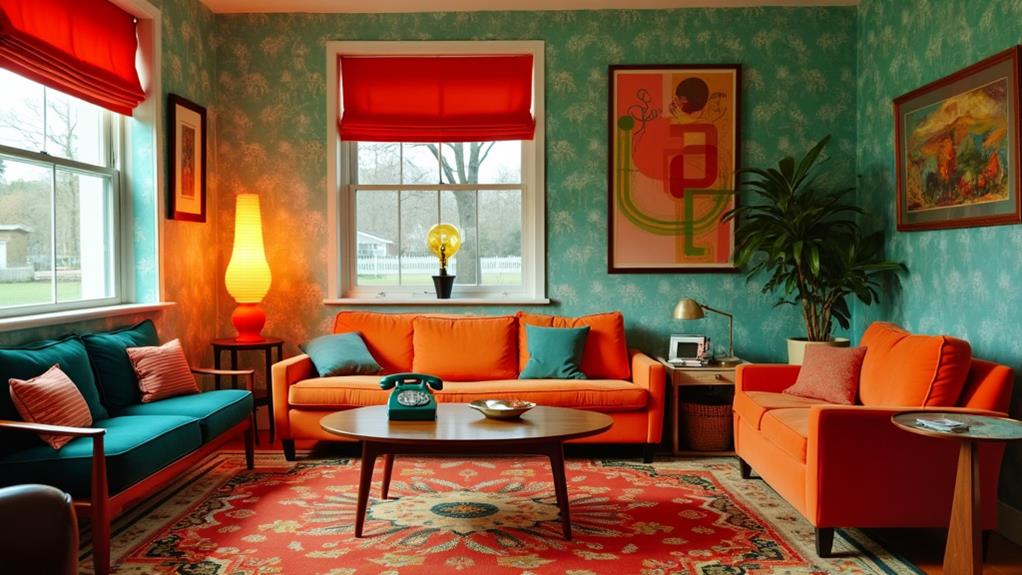
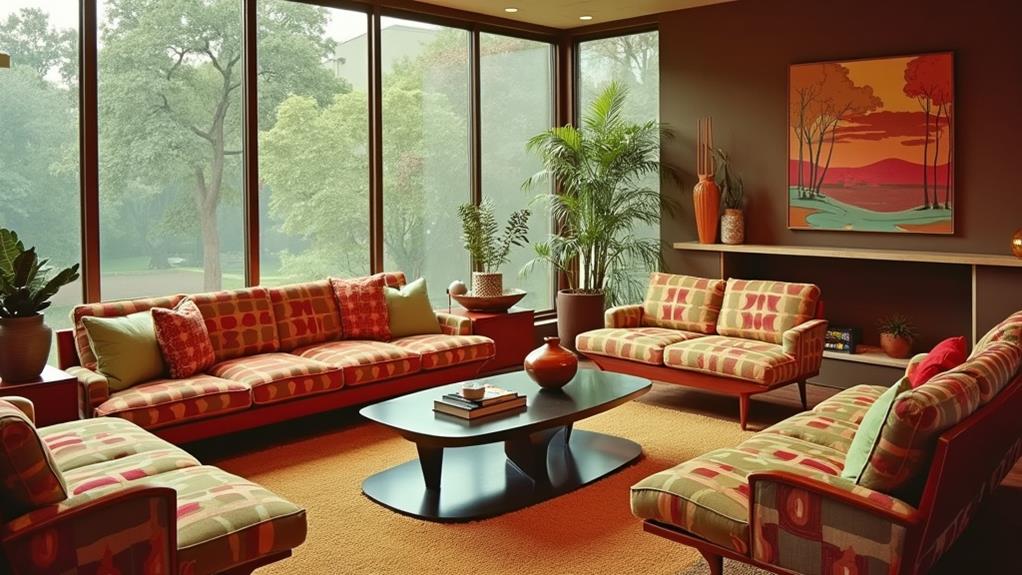
Rooted in midcentury modern aesthetics, conversation pits are defined by specific design elements and styles. Bold colors and patterns, characteristic of the 1960s, often feature prominently in these cozy spaces. Bright upholstery and wood accents make visual statements, while low-slung sofas and overstuffed chairs create a comfortable and intimate atmosphere ideal for gatherings.
Geometric shapes and organic forms are key design aspects, with curved lines and clean edges epitomizing the midcentury modern vibe. Lighting fixtures, such as pendant or floor lamps, enhance the ambiance with their unique designs, offering both functionality and a stylish flair that complements lively color schemes.
Natural elements like plants and wood finishes are frequently integrated, bringing the outdoors inside to create a harmonious and inviting living space. By combining these elements, you can recreate the timeless allure of a 1960s conversation pit in your own home.
Midcentury Modern Influence
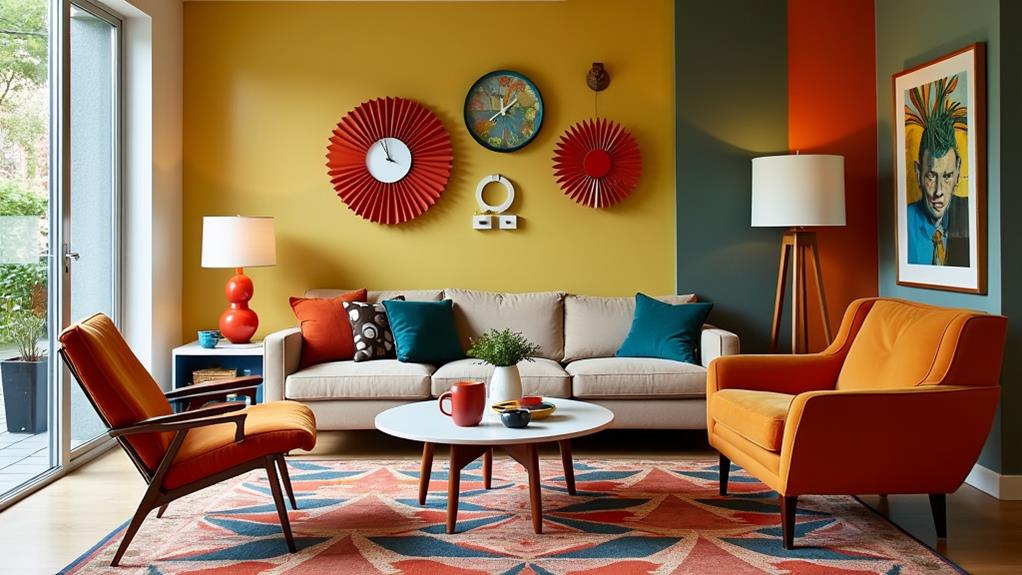
When you think about midcentury modern design, imagine the iconic Eames Lounge Chair or a boomerang-shaped coffee table—these pieces aren't just furniture; they're conversation starters. This design style from the 1950s, characterized by clean lines and vibrant colors, has a nostalgic charm that seamlessly blends with modern functionality in contemporary homes. Incorporating these elements creates an inviting space that fosters social interaction and community.
Iconic Design Elements
The mid-century modern movement, which gained traction in the 1950s and 1960s, revolutionized home decor with its clean lines, organic forms, and functional aesthetics. This design ethos introduced cozy corners and conversation-friendly spaces that encouraged social interaction. Sunken living rooms, a hallmark of the era, created intimate settings ideal for family gatherings and guest entertainment, fostering a sense of connection and warmth.
Iconic furniture pieces, such as the Eames Lounge Chair and the Tulip Table, were pivotal in defining these social spaces. Their innovative use of materials and bold colors like teal, orange, and mint green injected a playful and inviting spirit into the rooms. The emphasis on natural materials like wood and textiles further enhanced the comfort and appeal of these spaces, making them perfect for relaxed interactions.
Nostalgic Appeal Today
Mid-century modern design continues to influence contemporary home decor trends, exemplifying a nostalgic appeal that bridges past and present. The resurgence of conversation pits, popular in the 1950s and 1960s, is a prime example. These inviting spaces, featuring mid-century furniture like low-slung sofas and overstuffed chairs, are making a comeback in modern homes.
The renewed interest in bold colors and patterns from the 1970s has also contributed to the revival of conversation pits. Iconic designs, such as the Miller House by Eero Saarinen, inspire modern adaptations that blend retro charm with contemporary functionality. This mix of elements creates a nostalgic appeal that resonates with today's interior design enthusiasts.
Television shows like "Mad Men" have further fueled this trend, showcasing the elegance of mid-century aesthetics and intimate gathering spaces. If you're looking to create a cozy conversation area in your home, consider incorporating vintage decor and mid-century furniture to evoke a timeless charm.
| Design Element | Nostalgic Feature | Modern Adaptation |
|---|---|---|
| Conversation Pit | Low-slung sofas | Bold colors, retro charm |
| Mid-century Furniture | Overstuffed chairs | Functional and stylish |
| Vintage Decor | 1970s patterns and hues | Unique focal points |
Embracing these elements can transform your home into a nostalgic yet modern haven.
Benefits of Conversation Pits
Imagine transforming your living room into a cozy gathering space with a conversation pit, a unique architectural feature. These sunken areas enhance the room's character and promote social interaction by fostering intimate conversations. Additionally, the recessed design minimizes the visual impact of furniture, creating an open and inviting atmosphere.
Cozy Gathering Spaces
Creating a sense of warmth and intimacy, conversation pits transform living spaces into inviting gathering spots where people can connect effortlessly. Typically found in a sunken living room, a conversation pit is designed to draw people together into a cozy, intimate space. Built-in benches optimize the living area while promoting a communal atmosphere, encouraging face-to-face interaction and adding a touch of contemporary design to your home.
The lowered floors of a sunken living room add unique visual appeal, making the space feel larger and more inviting. Built-in benches and low-slung sofas enhance the lounge atmosphere, inviting relaxation and meaningful conversations. Overstuffed furniture adds to the comfort, creating an environment where guests naturally feel at ease.
Incorporating a cozy conversation pit into your living area reflects a growing trend in contemporary homes for supportive, inviting spaces that foster social interaction and community. It's an ideal way to make your home feel more connected and welcoming, turning any gathering into a memorable experience.
Unique Architectural Feature
Conversation pits not only create cozy gathering spaces but also serve as unique architectural features that elevate the overall design of your home. By incorporating a sunken lounge into your living areas, you establish a distinct and intimate space that naturally attracts people.
Here are three key benefits of adding conversation pits to your home:
- Maximize Comfort and Space: Built-in seating configurations in conversation pits ensure maximum comfort while minimizing visual clutter. This efficient use of space makes your living areas feel more open and inviting.
- Improved Flow and Zoning: Lowering the floor level helps create distinct zones within open-plan layouts. This separation enhances the overall flow of the space, making it easier to define and utilize different areas for various activities.
- Visual Appeal and Property Value: The open atmosphere created by conversation pits adds a sense of height and expansiveness. This visually appealing feature not only enhances your home design but can also significantly increase your property value by adding a unique architectural element that stands out.
Incorporating conversation pits into your home design ensures that your living spaces are both functional and aesthetically pleasing, making them ideal for fostering social interaction and creating a memorable impression.
Enhanced Social Interaction
Sunken seating areas, known as conversation pits, create an ideal environment for enhanced social interaction by fostering intimate and cozy spaces that draw people together. These inviting areas facilitate close, meaningful conversations among guests, making gatherings more engaging and memorable. The unique architectural feature of conversation pits not only adds visual interest but also serves as a focal point, making the living space stand out.
By lowering the seating area, conversation pits create a sense of openness that promotes easy communication and connection. This relaxed setting helps everyone feel more at ease, enhancing social dynamics and fostering a communal atmosphere. Popularized in the 1960s, conversation pits reflect a cultural shift towards valuing interpersonal relationships and meaningful interactions in home design.
The adaptable design of conversation pits can accommodate various seating arrangements and styles, making them a perfect fit for modern homes. Whether hosting a casual get-together or a formal gathering, these sunken areas adapt to different needs, ensuring everyone feels included and engaged. Fundamentally, conversation pits transform living spaces into hubs of social interaction and cozy comfort.
Challenges and Considerations
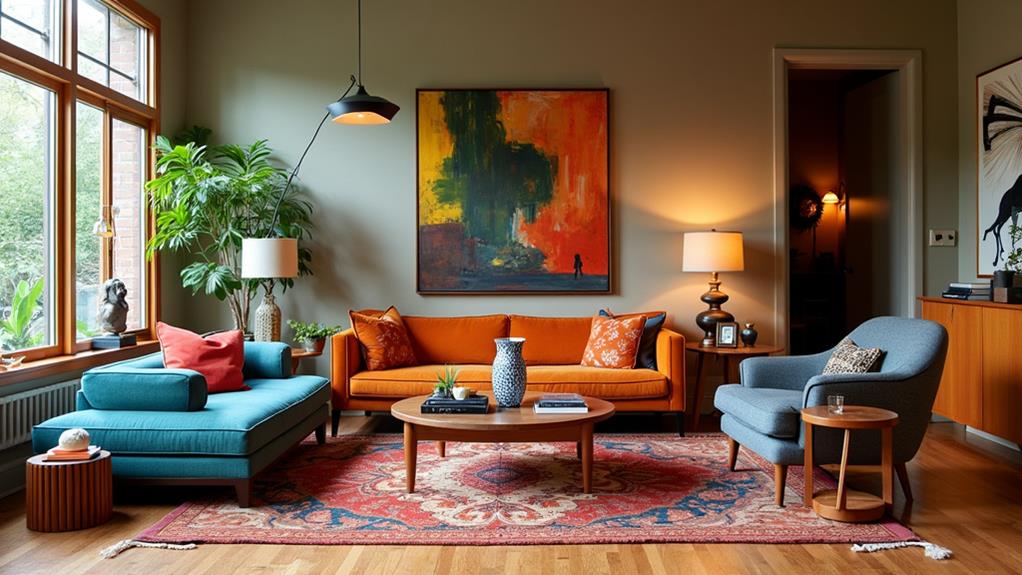
When planning to incorporate conversation pits into your home, it is vital to be aware of the diverse challenges and considerations involved.
Key Considerations:
- Accessibility: Conversation pits can be problematic for individuals using mobility aids. Design these areas inclusively by incorporating ramps or other accommodating features to ensure the pit is accessible and comfortable for everyone.
- Safety Hazards: The sunken design inherently poses risks. Minimize tripping hazards by using contrasting materials or colors to highlight the edges and improve visibility.
- Traffic Flow: Poor placement can obstruct busy pathways, reducing functionality. Position your conversation pit to align with the natural flow of movement in your living space.
- Customization: Bespoke furniture may be required, increasing costs.
- Structural Modifications: Incorporating a pit can be complex and costly, often requiring professional input.
Modern Revival and Trends
Incorporating a conversation pit into your home presents an exciting opportunity to explore modern revival and trends surrounding this distinctive feature. Today, conversation pits are making a notable comeback, driven by the desire for intimate spaces that encourage social interaction. These cozy, sunken seating areas, originally popular in the 1960s and 1970s, seamlessly integrate into open-concept layouts, adding a nostalgic yet functional element.
Contemporary conversation pits often feature low-slung furniture and plush, overstuffed seating, embracing the currently popular mid-century modern aesthetic. They serve as multifunctional spaces, becoming focal points in living areas and enhancing visual appeal. This resurgence is about more than just style; it's about creating environments that foster connectivity and relaxation—qualities many homeowners seek, especially in a post-pandemic world.
The trend towards conversation pits highlights a broader movement towards multifunctional living spaces. These pits provide unique spots for intimate gatherings, making your home both stylish and welcoming. By incorporating a conversation pit, you're not only paying homage to past architectural styles but also enhancing your home's social potential and creating a warm, inviting atmosphere.