The Influence of 1980s Glamour on Modern Decor
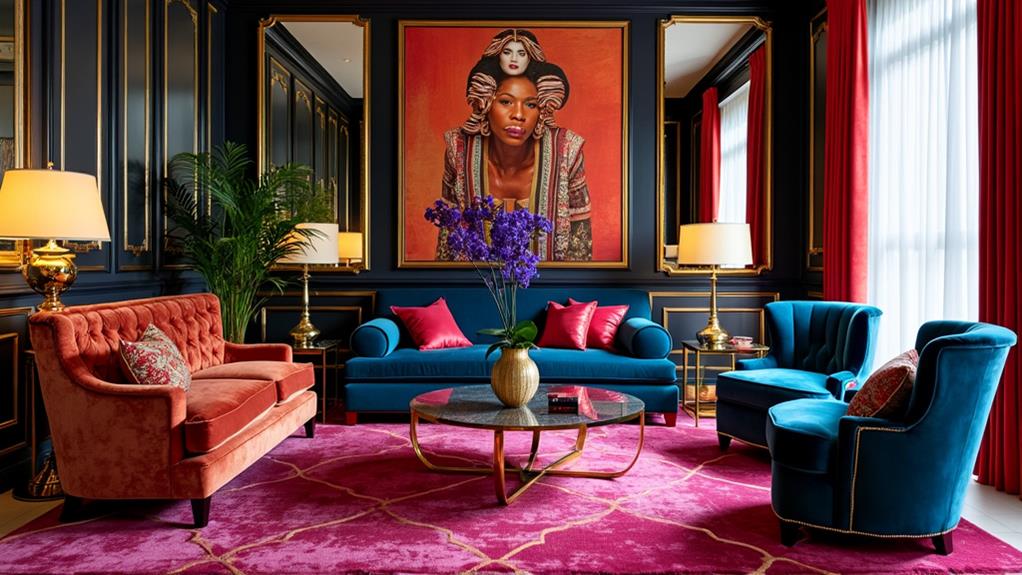
Modern decor might not immediately evoke thoughts of the 1980s, yet the decade's influence is undeniable. The vibrant color schemes, bold geometric patterns, and iconic furniture designs of that era have resurged with a contemporary twist. Neon hues combined with soft pastels foster dynamic atmospheres, while daring shapes inspired by the Memphis Group infuse a touch of nostalgia and individuality into today's interiors. How does this fusion of retro charm and modern functionality shape current interior design trends? This colorful revival holds more significance than one might initially perceive.
Vibrant Color Schemes
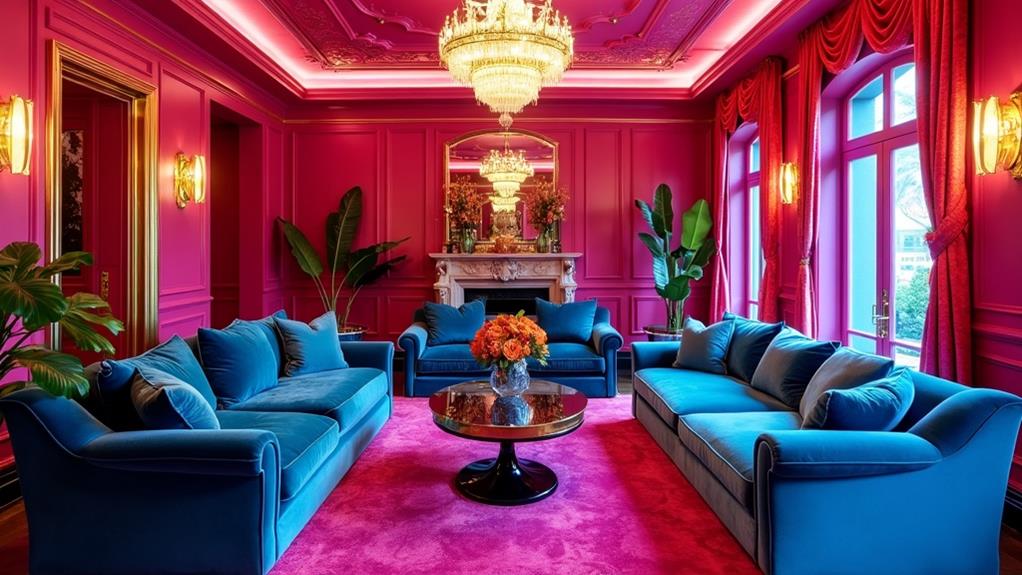
A myriad of lively color schemes from the 1980s has made a striking comeback in modern decor. You'll notice dynamic color palettes characterized by neon hues like fluorescent pinks, greens, and blues. These bold colors inject an energetic vibe into any space, making rooms feel alive and dynamic. Alongside these vibrant tones, pastel colors such as soft pinks, mint greens, and baby blues offer a soothing counterbalance. This mix allows you to create tranquil retreats within your home while still embracing the boldness of 1980s aesthetics.
Incorporating geometric shapes into your decor can further enhance this dynamic color palette. Geometric patterns, often associated with the 1980s, gain additional visual intrigue and nostalgia when rendered in bold colors. High-gloss finishes and metallic accents, popular during that era, also contribute to a sense of glamour and escapism that continues to influence modern design. This blend of nostalgic elements with contemporary aesthetics allows for a unique expression of individuality.
Geometric Patterns
Geometric patterns from the 1980s, characterized by bold color contrasts and clean lines, are making a strong comeback in modern decor. Featuring elements like triangles, circles, and zigzags, these designs introduce a structured yet dynamic visual interest to any space. By incorporating them into textiles, wallpapers, and furniture, you can evoke the playful spirit of the era while maintaining a fresh and contemporary look.
Bold Color Contrasts
In the realm of 1980s interior design, bold color contrasts and geometric patterns dominated, imbuing spaces with vibrant energy. This lively trend was evident in furniture, wallpaper, textiles, and decor accents. The Memphis Group, renowned for their asymmetrical shapes and striking patterns, epitomized this bold approach, blending chaos and order into each piece as a statement of modern artistic flair.
Fluorescent colors like neon pink, green, and blue were prevalent, mirroring the era's playful and optimistic spirit. Combined with geometric patterns, these colors added visual interest and dynamism that defined the decade, transforming ordinary spaces into lively, engaging environments.
Today, the revival of 80s design in modern decor brings back these bold color contrasts, appealing to contemporary tastes while maintaining a nostalgic connection to the past. By incorporating these vibrant hues and geometric patterns, you can capture the essence of 1980s glamour in a fresh and modern way. Whether through a statement piece or a subtle accent, these design elements continue to inspire and invigorate.
Clean Lines Dominance
Building on the spirited energy of bold color contrasts, the clean lines and geometric patterns of the 1980s introduced a structured aesthetic that redefined interior design. Geometric patterns became a hallmark of this period, characterized by sharp angles and lively hues. The Memphis Group, known for their playful shapes and asymmetrical furniture, played a crucial role in popularizing these designs.
Incorporating geometric motifs into textiles, wallpaper, and upholstery allowed homeowners to express individuality through dynamic patterns. This approach brought a sense of order and visual intrigue to living spaces, balancing simplicity with complexity.
The resurgence of 1980s glamour in modern decor has led to a revival of these elements. Contemporary designers now integrate clean lines and geometric patterns to create fresh, eye-catching interiors that blend nostalgia with modernity. Geometric designs in modern decor serve as both a focal point and a harmonious backdrop for more eclectic styles.
| Feature | 1980s Glamour |
|---|---|
| Colors | Bold, lively |
| Shapes | Asymmetrical, playful |
| Materials | Textiles, wallpaper, upholstery |
| Designers | Memphis Group |
Clean lines and geometric patterns evoke a sense of order while allowing room for creative expression, making them timeless in both past and present decor trends.
Iconic Furniture
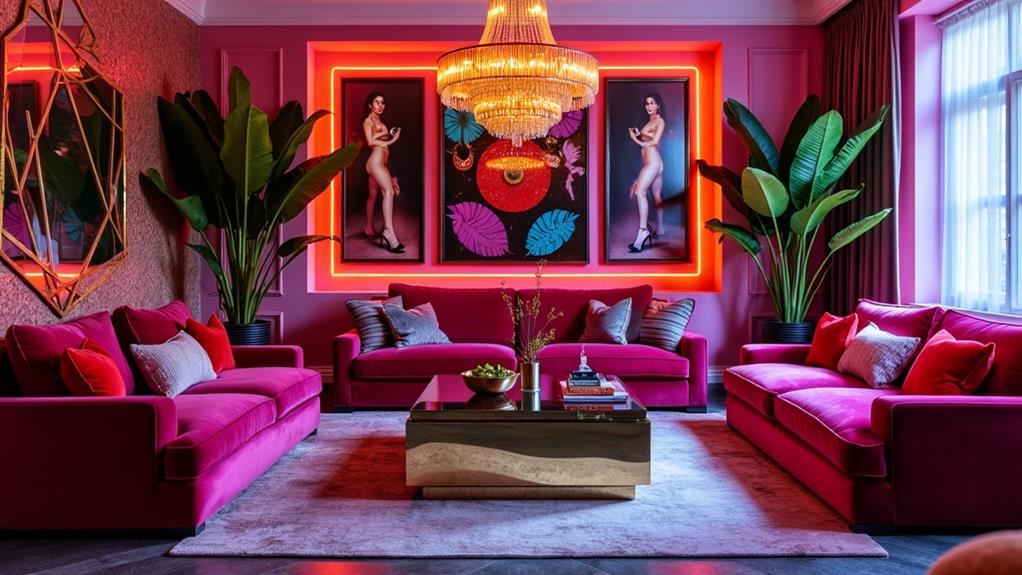
The bold creations of the Memphis Group, such as the Carlton bookcase and Casablanca sideboard, epitomize iconic 1980s furniture. Their vibrant colors and geometric shapes marked a significant shift from traditional designs to postmodern aesthetics. Today, these postmodern pieces are being revived in modern decor, adding a nostalgic yet fresh vibe to contemporary spaces.
Memphis Group Creations
Established in 1981 by Ettore Sottsass, the Memphis Group revolutionized furniture design with its daring use of color, bold geometric shapes, and playful aesthetics. Known as Memphis Milano, this movement departed radically from contemporary design norms, significantly influencing interior design trends. Iconic creations like the Carlton bookcase and the Tahiti coffee table showcased a mix of materials such as laminate, glass, and metal, often featuring asymmetrical forms and contrasting patterns. These pieces not only transformed home decor but also left an indelible mark on pop culture, influencing fashion and graphic design.
Memphis Group furniture is celebrated for its whimsy and eccentricity, capturing the lively and eclectic spirit of the 1980s. Their designs eschewed minimalism in favor of individual expression, making them timeless icons in design history. Today, Memphis-inspired furniture is experiencing a resurgence among collectors and design enthusiasts who appreciate its retro charm and bold approach. Incorporating these pieces into your home decor can infuse any space with a nostalgic yet contemporary vibe that is both unique and eye-catching.
Postmodern Revival Pieces
In recent years, postmodern revival pieces have surged in popularity, captivating design enthusiasts with their bold colors, geometric shapes, and playful aesthetics. Instrumental in this movement, the Memphis Group—founded in 1981—introduced iconic furniture that continues to shape contemporary decor trends. A prime example is the Carlton bookcase by Ettore Sottsass, emblematic of 80s design with its asymmetrical form and vibrant patterns. Its enduring appeal lies in its fusion of artistic expression and practical functionality, making it a timeless addition to any space.
High-back seating and clear glass coffee tables from the 80s have also experienced a resurgence, reflecting a growing desire for nostalgia paired with modern elegance. Integrating such elements into your home can create a unique blend of past and present, rendering your decor both stylish and meaningful. Another notable example is Philippe Starck's Juicy Salif citrus squeezer, which epitomizes the avant-garde spirit of postmodern revival pieces. Iconic items like the Casablanca sideboard and K2 chair are being reimagined, offering fresh interpretations of classic 80s glamour by merging vintage charm with contemporary design.
80s-Inspired Spaces
Drawing from the lively and eclectic nature of the 1980s, 80s-inspired spaces breathe new life into modern decor by embracing bold color palettes, geometric patterns, and luxurious textures. Begin by incorporating dynamic color schemes, utilizing neon hues and bold pastels that capture the playful spirit of the decade. These striking colors infuse energy and excitement into contemporary interiors.
To add visual interest, consider using geometric patterns. Integrate these designs into wallpapers, textiles, and furniture to create a dynamic and engaging environment. The iconic aesthetic of the 80s will shine through, making your space feel both nostalgic and creative.
Luxurious textures play a significant role in 80s-inspired decor. Rich materials like velvet, silk, and metallic finishes add a touch of opulence, enhancing the tactile experience of your interiors. These textures not only look stunning but also feel indulgent, elevating the overall atmosphere of your home.
Statement furniture is crucial in achieving this look. Opt for iconic 80s pieces like oversized sofas and asymmetrical designs from the Memphis Group. These elements serve as focal points, blending nostalgia with modern style.
Embracing a maximalist approach, layer textures, patterns, and eclectic accessories to encourage personal expression and individuality.
Cultural Influence
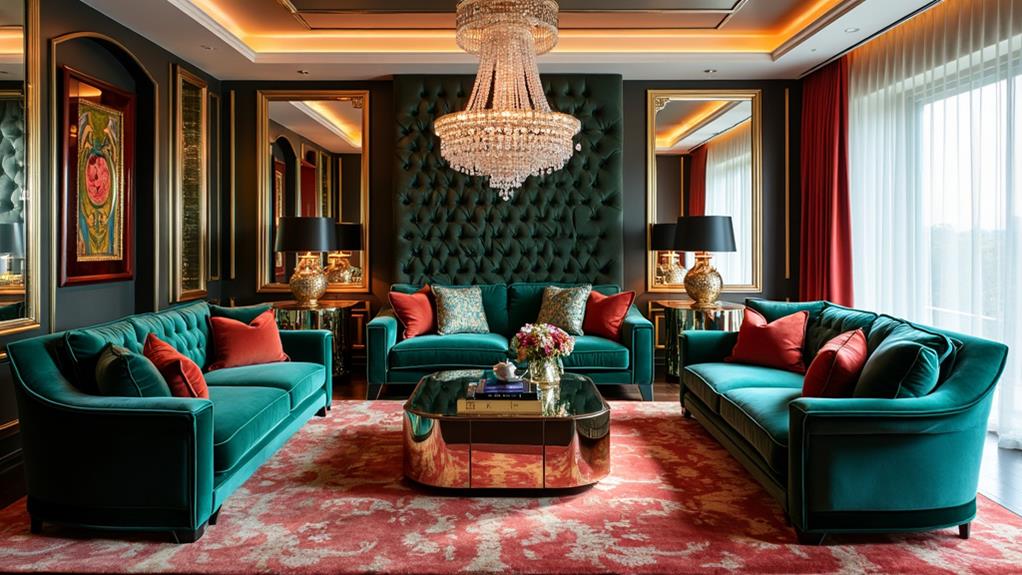
Designing 80s-inspired spaces offers a lively aesthetic, but understanding the cultural influence behind this style adds depth to your decor choices. The 1980s glamour was a product of the decade's pop culture, with icons like Madonna and Prince setting the tone. Their bold fashion choices and extravagant lifestyles seeped into interior design, making vibrant color palettes and high-gloss finishes staples of the era.
1980s glamour embraces maximalism, celebrating eclectic styles by mixing textures, materials, and geometric patterns. This approach wasn't just about aesthetics; it was a form of self-expression. The rise of music videos and TV shows like "Miami Vice" showcased this glamorous aesthetic, making it mainstream. These cultural milestones influenced not just fashion and music but also turned homes into canvases for personal expression and opulence.
Modern Revival
The modern revival of 1980s glamour in decor brings an invigorating burst of bold colors and lively energy into contemporary spaces. Neon colors are making a comeback, alongside pastel palettes that evoke the era's vibrant aesthetic. This resurgence isn't merely about nostalgia; it's about blending retro charm with modern functionality. Iconic 1980s furniture pieces, such as oversized sofas and geometric designs, are being reintroduced, creating a perfect harmony between the old and the new.
Maximalism, a significant trend inspired by 1980s designs, encourages eclectic styles and mixed materials, resulting in personalized and expressive interiors. Vintage floral prints, reminiscent of Laura Ashley's designs, add a nostalgic warmth to modern decor.
Here's a quick overview to guide you:
| Element | Description |
|---|---|
| Neon colors | Bright, bold hues revitalizing spaces |
| Pastel palettes | Soft, calming shades balancing vivid tones |
| Iconic furniture | Oversized sofas, geometric designs |
| Vintage floral prints | Nostalgic patterns adding warmth |
| Sustainability | Eco-friendly materials, vintage finds |
Sustainability is essential in this modern revival. By incorporating eco-friendly materials and vintage finds, you can balance retro style with contemporary values, ensuring your decor is both stylish and responsible.
Design Tips
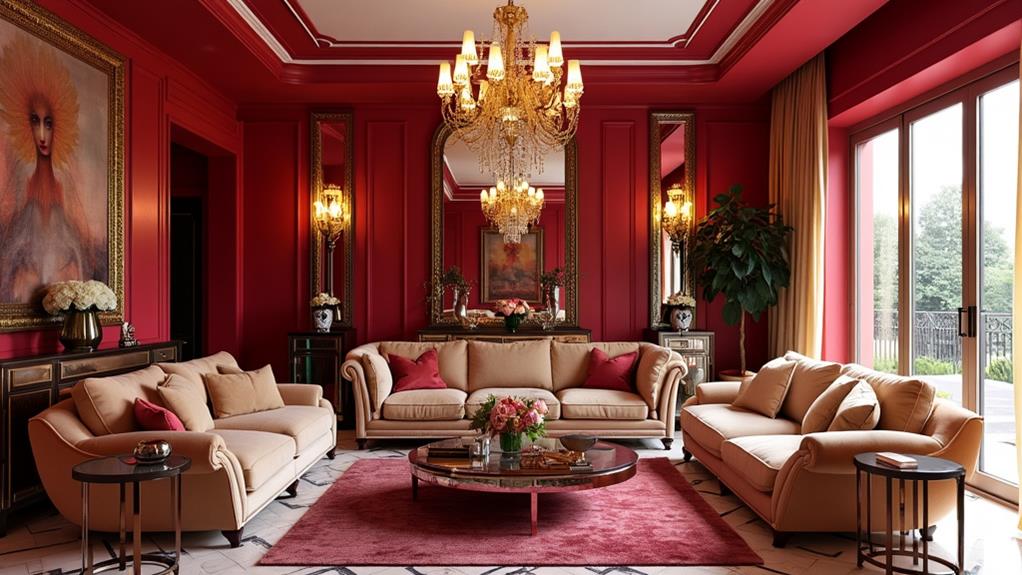
Embrace the vibrant spirit of 1980s glamour in your decor by incorporating bold colors such as neon pinks and electric blues, balanced with soft pastels. Achieve the decade's dynamic visual identity by blending these lively hues with geometric patterns in your upholstery, wallpaper, and accessories. This approach not only adds depth but also pays homage to the distinctive 80s style.
For a dramatic impact, integrate statement furniture pieces inspired by the Memphis Group. Their asymmetrical designs and high-tech materials offer a playful yet sophisticated touch. Opt for items that stand out and command attention while harmonizing with your overall color scheme.
Enhance the opulence typical of 1980s decor by layering rich textures. Velvet, silk, and metallic finishes can transform your space into a luxurious haven. These textures add richness and a tactile dimension that elevate even the simplest design elements.
To complete your 80s-inspired interior, consider iconic lighting elements like neon signs or dramatic chandeliers. Mirrored surfaces can also add a sense of theatricality, creating enchanting reflections and enhancing the lighting effect.
- Geometric patterns
- Statement furniture
- Rich textures