What Are the Most Iconic Disco Venues Known for Their Decor?

When you think of iconic disco venues, Studio 54 likely comes to mind with its lavish interiors and exclusive atmosphere. But what about the industrial charm of Paradise Garage or the inclusive spirit of The Loft? Each of these venues had its unique flair, from The Saint's opulent decor to Danceteria's eclectic vibe. These places set trends and profoundly influenced the disco scene. What exactly made their decor so memorable, and why do these spaces continue to captivate our imagination? Let's explore the details that set these legendary venues apart.
Studio 54

Studio 54, which opened in 1977 on New York's 54th Street, quickly became legendary for its extravagant interiors and exclusive guest list. Stepping into Studio 54 transported you into a world of Roaring Twenties opulence mixed with a vibrant disco theme. The nightclub's interior, arranged in a record time of six weeks with a $400,000 investment, showcased a blend of glamour and decadence that reflected the carefree spirit of the disco age.
The iconic logo, designed by graphic designer Lesser, epitomized the venue's luxurious and glamorous design elements. From the sparkling dance floors to the dazzling light displays, every inch of Studio 54 exuded extravagance. The disco theme wasn't just limited to the décor; it permeated the atmosphere, making it an immersive experience for anyone fortunate enough to get past the velvet ropes.
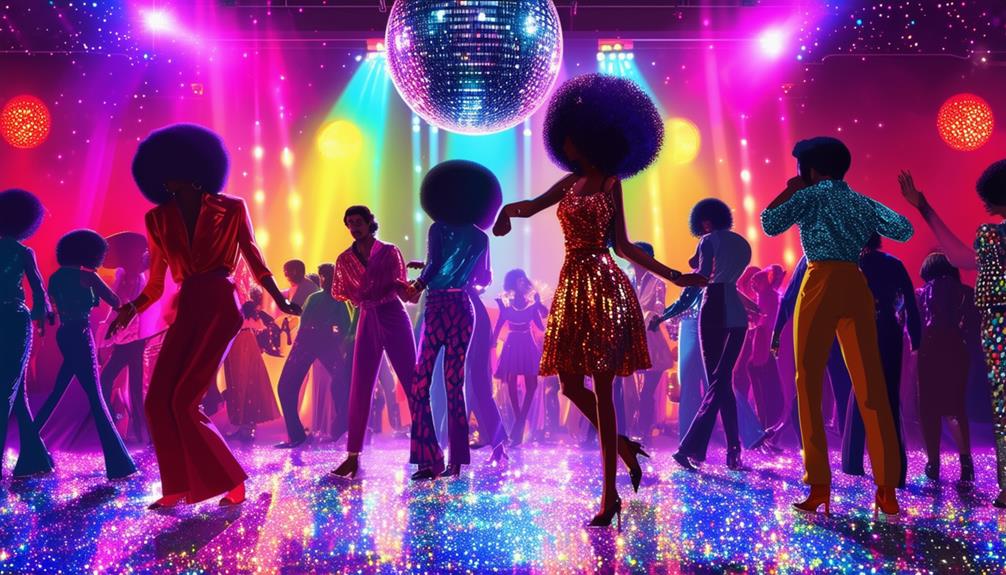
Celebrities and ordinary people alike danced the night away under massive chandeliers and mirrored walls, all contributing to Studio 54's lasting impact on nightclub culture. Although the club's original run ended in 1980, its influence endures, cementing its place in history as a quintessential disco venue.
The Loft
The Loft, envisioned by David Mancuso, epitomized the ideal party atmosphere with its emphasis on inclusivity and superior sound quality. Its distinctive design and focus on music made it a pivotal element of disco culture.
David Mancuso's Vision
David Mancuso's vision for The Loft transformed it into a pioneering venue that prioritized high-quality music and community over commercial interests. Stepping into The Loft meant entering a space where disco transcended being just a genre—it became a movement.
Mancuso's dedication to the perfect listening experience led him to invest in an audiophile sound system, ensuring the music was clear and immersive. This meticulous attention to detail distinguished The Loft from other venues and revolutionized the modern dance club experience.
Unlike typical nightclubs, The Loft wasn't driven by profit. Mancuso's primary goal was to cultivate a sense of unity and acceptance among attendees. He focused on fostering genuine connections and artistic expression, making each event feel like a family gathering rather than a commercial venture. This inclusive atmosphere attracted a diverse crowd, allowing disco's magic to unite people from all walks of life.
David Mancuso's legacy with The Loft inspired a new era of clubbing. By emphasizing quality music and community, he laid the foundation for future venues. His innovative approach ensured that The Loft would be remembered not just as a disco venue but as a cultural landmark.
Unique Party Atmosphere
Entering The Loft meant immersing yourself in an atmosphere meticulously crafted to deliver an unforgettable party experience. David Mancuso, the visionary behind The Loft, revolutionized the modern dance club scene by fostering an inclusive and welcoming environment. The Loft was more than just a dance venue; it was a sanctuary for communal connection and celebration.
The Loft's unique party atmosphere was significantly influenced by its distinctive design. Minimalist and eclectic elements blended seamlessly to create a space where guests could lose themselves in the music. Unlike other clubs with flashy decor, The Loft focused on warmth and invitation.
Central to The Loft's experience was its legendary audiophile sound system. Mancuso prioritized high-quality sound to ensure an immersive experience, sparing no expense in achieving crystal-clear audio. The music's clarity and richness enveloped attendees, making every beat resonate deeply. This commitment to superior sound quality and community spirit distinguished The Loft and shaped the evolution of dance culture.
Paradise Garage

When you think about Paradise Garage, you'll immediately notice its unique industrial aesthetic that sets it apart. The cutting-edge lighting design and iconic dance floor created an atmosphere perfect for immersing oneself in the music. The venue's decor wasn't just about appearances; it was about enhancing the collective experience for everyone on the dance floor.
Unique Industrial Aesthetic
Paradise Garage distinguished itself among New York City's disco venues with its unique industrial aesthetic. Raw concrete floors and exposed pipes lent the space an edgy, underground vibe, immediately noticeable upon entry. This wasn't just any disco; it was a venue where the gritty, raw elements of its former life as a parking garage enhanced the overall experience.
The industrial design was intentional, setting Paradise Garage apart from other disco venues that favored glamorous or opulent interiors. Here, exposed pipes and concrete floors weren't just remnants of the building's past but integral to its identity. These raw materials created an authentic, no-frills environment that attracted a diverse crowd seeking a genuine nightlife experience.
The club's design played a significant role in fostering a welcoming and inclusive atmosphere. It wasn't about flashy décor or extravagant furnishings; it was about the music and the people. By maintaining its industrial aesthetic, Paradise Garage became an iconic venue, leaving a lasting impression on everyone who walked through its doors.
Cutting-Edge Lighting Design
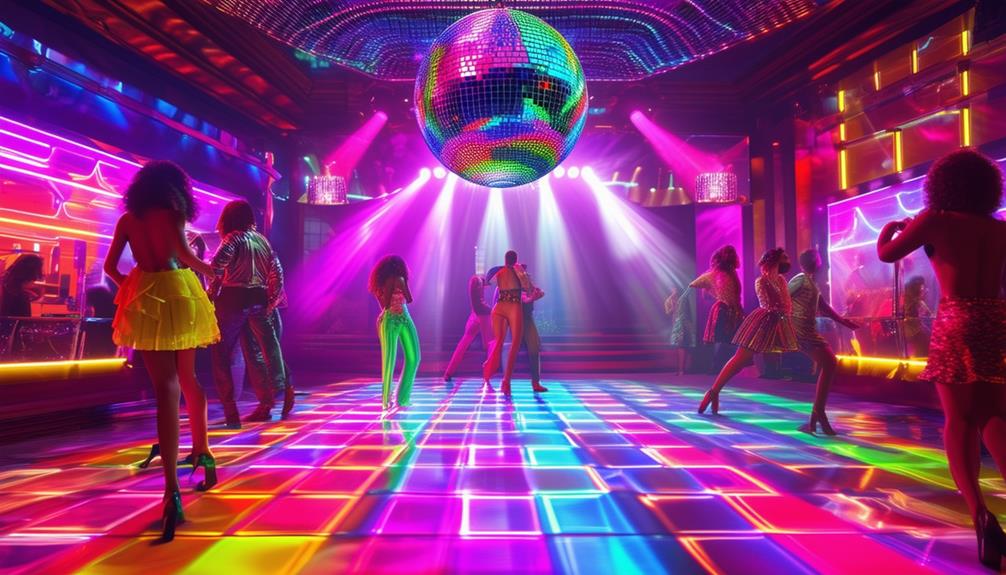
The cutting-edge lighting design at Paradise Garage, crafted by Richard Long, transformed the dance floor into a vibrant, immersive spectacle. This iconic New York club was renowned for its innovative lighting that set a new standard for disco venues globally. Long's design seamlessly integrated strobe lights, mirror balls, and colorful spotlights to create an electrifying atmosphere.
The lighting setup was meticulously synchronized with the music, turning every beat into a visual experience. Imagine dancing under a ceiling adorned with glimmering disco balls, their reflections bouncing off the walls, while strobe lights and spotlights flashed in perfect harmony with the DJ's mix. The result was a dynamic visual display that kept the energy high all night long.
| Lighting Element | Description |
|---|---|
| Strobe Lights | Rapid flashes that heightened beats |
| Mirror Balls | Reflective spheres creating sparkle |
| Colorful Spotlights | Enhanced atmosphere with vivid colors |
Richard Long's pioneering lighting design was more than just a backdrop; it was integral to Paradise Garage's legendary status. His work influenced the design of future nightclubs, ensuring that the legacy of this iconic venue lived on.
Iconic Dance Floor
The dance floor at Paradise Garage, celebrated for its cutting-edge design and superior sound system, became a legendary haven for dance enthusiasts. Stepping onto that iconic dance floor meant immersing yourself in a world where music and movement were paramount. The 10,000-watt Richard Long sound system enveloped you, delivering crystal-clear beats that seemed to pulsate through your very being.
One of the most striking features was the cut-out Mercedes-Benz suspended from the ceiling, casting unique shadows and contributing to the venue's eclectic charm. The dance floor itself wasn't static; it had a spring-loaded design that made dancing more comfortable and dynamic. This inventive design not only preserved your energy but also amplified your every move, making each step feel like a part of the music.
The dance floor was the club's focal point, carefully engineered to enrich your musical experience. With its reputation as one of the best in the world, Paradise Garage attracted dancers and music lovers globally. You weren't just dancing; you were part of a cultural phenomenon, making memories that would last a lifetime.
The Saint
Often hailed as one of New York City's most legendary disco venues, The Saint captivated patrons with its extravagant and opulent decor. Upon entering, you were immediately greeted by a mesmerizing 36-foot disco ball casting dazzling reflections across the space. The venue's hydraulic dance floors were an engineering marvel, allowing you to feel the music in every fiber of your being. The DJ booth, designed to resemble a cathedral, added a sense of grandeur and reverence to the nightlife experience.
The Saint's decor was nothing short of theatrical, with religious iconography seamlessly woven into the design. You'd find yourself surrounded by:
- Intricate lighting effects that transformed the venue with every beat
- Mirrored walls that expanded the space and added to the surreal atmosphere
- A grand staircase that made each entrance feel like a momentous occasion
- An awe-inspiring ambiance that transported you to a fantasy world
These elements combined to create an immersive environment that was both otherworldly and intimate. The Saint didn't just offer a place to dance; it provided an unforgettable experience that left an indelible mark on the disco era.
Danceteria
Danceteria captivated New York City's nightlife with its eclectic multi-level layout and vibrant decor. As you stepped into Danceteria, you were instantly immersed in an atmosphere that echoed the essence of Night Fever. The club's design featured neon sculptures, graffiti walls, and unique interiors, setting it apart from other venues.
Danceteria wasn't just about dancing; it was a cultural hotspot in the 1980s, drawing in emerging artists, musicians, and fashion icons. Each floor offered a different experience, from diverse music genres to art installations and themed nights. You could groove to underground beats on one floor and explore an art exhibit or live performance on another.
The crowd at Danceteria was as diverse as its decor, attracting a creative and vibrant community. It became a melting pot where new trends were born and celebrated. Whether you were there for the music, the art, or just the electric vibe, Danceteria offered a unique slice of Night Fever that left a lasting impression on New York City's nightlife.
Palladium
Step into Palladium, and you're immediately captivated by its extravagant decor. Located in New York City, this iconic disco venue was celebrated for its opulent design that transported guests to the height of the disco era. The grand entrance, featuring a cascading waterfall and mirrored walls, set the tone for a night of unparalleled glamour and sophistication.
Inside, Palladium dazzled with:
- A massive dance floor: Ideal for immersing yourself in the rhythm of the night.
- Intricate light fixtures: Enhancing the venue's luxurious and immersive atmosphere.
- Plush seating areas: Providing a comfortable and stylish break between dances.
- A state-of-the-art sound system: Delivering an exceptional audio experience.
The club's decor seamlessly blended modern flair with classic elegance, making it a magnet for celebrities and party-goers. Every corner of Palladium exuded the glamour and sophistication of the disco era, solidifying its status as a legendary New York City nightlife destination. Stepping into Palladium was like stepping back in time, where every detail was designed to create an unforgettable experience.
Conclusion
You've now experienced some of the most iconic disco venues, each unforgettable for its decor and atmosphere. From Studio 54's extravagant interiors to Paradise Garage's cutting-edge lighting, these spots set the stage for legendary nights.
The Loft's superior sound system, The Saint's opulent decor, and the distinctive vibes of Danceteria and Palladium have all left an indelible mark on disco history. Each venue offered a unique experience that continues to resonate today.