What Were the Biggest Decor Trends of the Disco Revival in the 1990s?
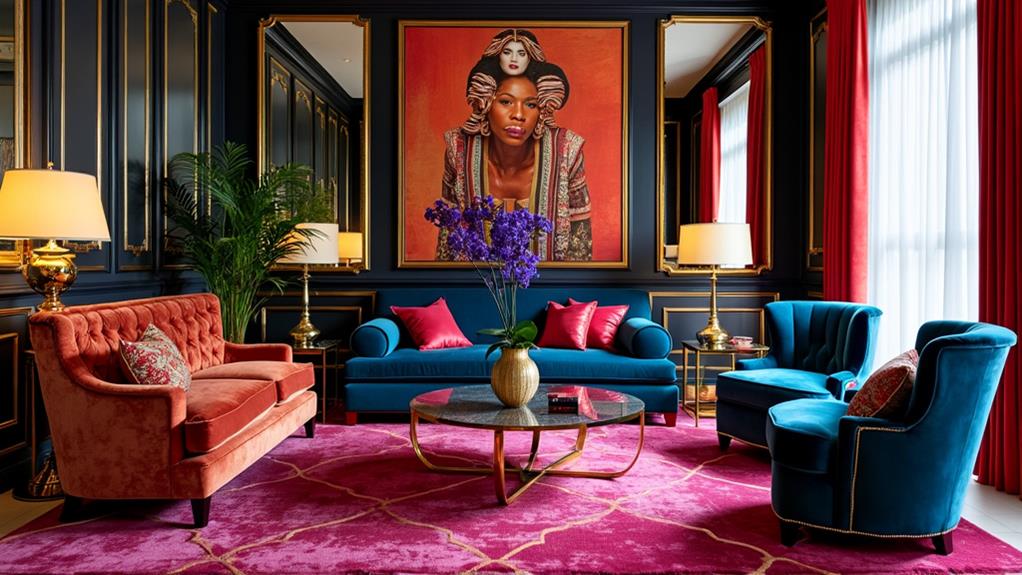
When you think of the 1990s Disco Revival, imagine a blend of luxury and futuristic design. Mirrored surfaces reflected light from glittering disco balls, while plush velvet furniture added a touch of opulence.
Metallic accents introduced a modern edge, complementing the nostalgic shag carpets. Bold patterns and avant-garde furniture completed the look, creating dynamic, energetic spaces. Want to know which trend garnered the most attention and how these elements transformed interiors? Let's delve into the details and explore the key features that defined this eclectic revival.
Mirrored Surfaces
Mirrored surfaces emerged as a hallmark of the Disco Revival in the 1990s, infusing interiors with a retro yet sophisticated flair. These reflective elements weren't only stylish but also functional, capturing the glitz and glamour of the disco era. They appeared in furniture like coffee tables, side tables, and cabinets, evoking a sense of nostalgia for the extravagant disco period.
In nightclubs and homes, mirrored walls and ceilings gained popularity, making spaces feel larger and brighter. This trend aimed to encapsulate the essence of the 1970s disco scene, characterized by shiny materials and an air of opulence.
Mirrored surfaces extended beyond physical spaces, frequently featuring in social media posts to showcase the revival of this iconic decor trend. The use of mirrored surfaces effectively evoked the aesthetic of the disco period, blending retro elements with a modern twist. Whether for hosting a party or adding some flair to a home, these reflective elements provided a versatile and stylish solution, embodying the spirit of the Disco Revival.
Plush Velvet
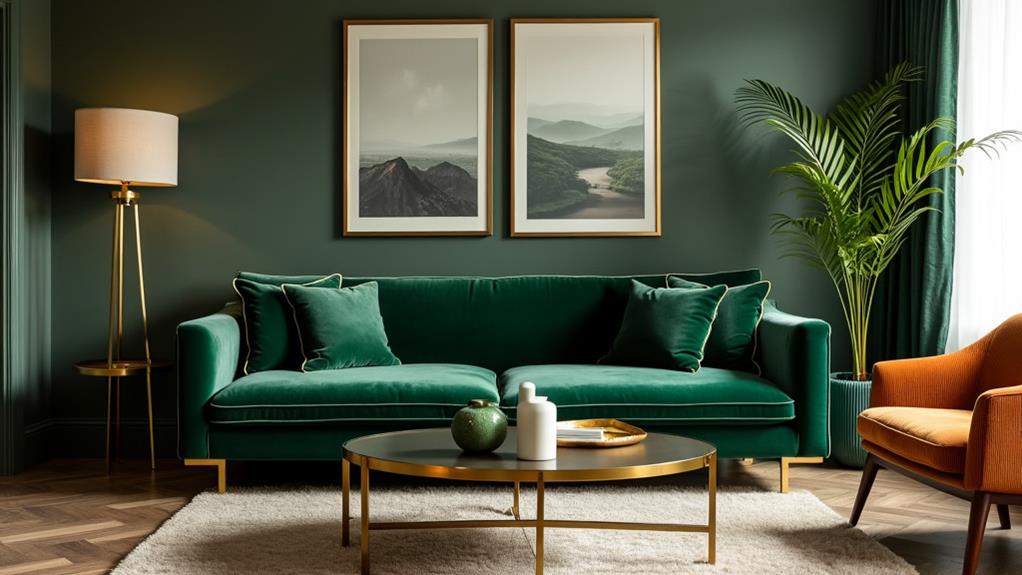
Plush velvet was an essential element of 1990s disco revival decor. Luxurious velvet sofas and bold accents in deep reds, royal blues, and emerald greens became staples for creating an opulent atmosphere. Paired with metallic touches, these elements evoked a nostalgic yet glamorous feel in interiors.
Luxurious Velvet Sofas
Luxurious velvet sofas gained immense popularity during the 1990s disco revival, epitomizing opulence with their deep tufting and rich jewel-tone colors like emerald green and sapphire blue. These sofas were more than just furniture; they were statement pieces exuding both comfort and sophistication. Placing a velvet sofa in your living room immediately made it the focal point, inviting guests to relax in its sumptuous depths.
To enhance these lavish sofas, velvet drapes could be added, creating opulent curtains that contributed to the room's overall glamour. Velvet throw pillows served as luxurious accents, enriching the texture and deep colors of the sofa. Velvet ottomans provided elegant footrests, completing the ensemble while offering additional seating or a place to rest your feet.
The allure of plush velvet sofas lay in their ability to transform ordinary living spaces into chic, retro-inspired lounges reminiscent of disco-era nightclubs. Incorporating these elements into your home embraced a decor trend that was both nostalgic and modern, reflecting the bold, flamboyant style that defined the 1990s disco revival.
Bold Velvet Accents
Building on the allure of luxurious velvet sofas, bold velvet accents like armchairs and ottomans added a touch of opulence and tactile richness to 1990s interiors. Velvet throw pillows in deep jewel tones—such as emerald green, sapphire blue, and ruby red—became staples, infusing rooms with the glamorous essence of the disco period. These pillows added both comfort and a pop of color to any seating arrangement, instantly transforming the ambiance.
Velvet ottomans were another must-have, serving as versatile pieces that offered both style and functionality. Whether used as extra seating, a footrest, or even a coffee table, these ottomans brought a luxurious feel to living spaces. Their plush texture and bold colors made them focal points in any room, evoking the drama and sophistication that characterized the era.
For an added layer of luxe, velvet wall art emerged as a unique trend. Velvet-covered frames or textured wall hangings added depth and richness to walls. These pieces were a perfect way to incorporate the velvet trend without overwhelming your space, tying together different elements of your décor with an opulent touch.
Metallic Accents
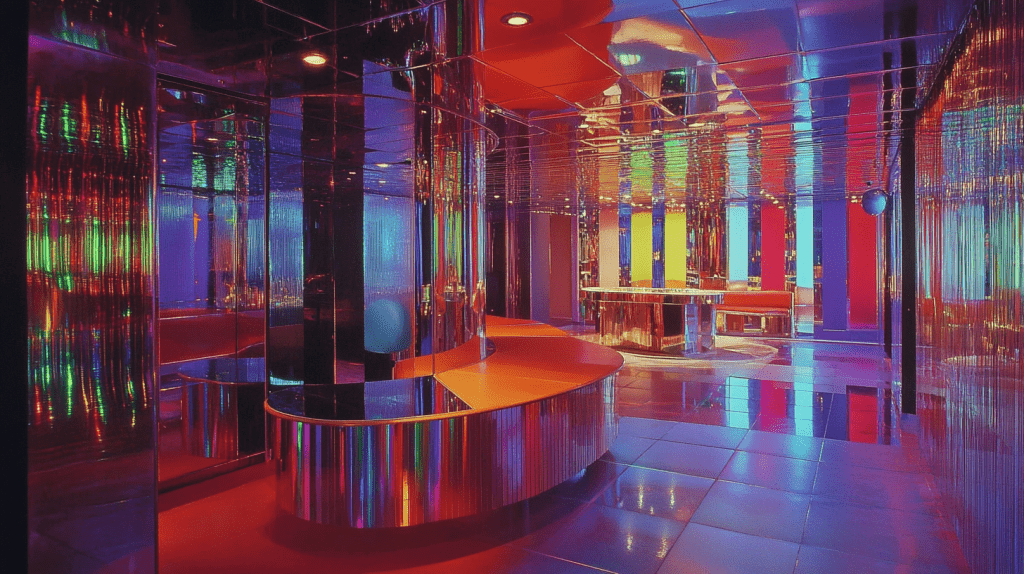
In the Disco Revival of the 1990s, metallic accents such as chrome, gold, and silver were integral to interior design, adding a touch of glamour and opulence. These materials, known for their shiny and reflective properties, mirrored the flashy and extravagant aesthetic of disco culture, creating a dazzling environment. Incorporating metallic elements into your home was a surefire way to infuse it with the energy and vibrancy characteristic of the disco era's nightlife.
To capture this glitzy and flamboyant style, consider:
- Metallic wallpaper: This adds vintage appeal, making your walls shimmer and providing an instant throwback to the disco period.
- Shiny metallic accessories: Items like vases, picture frames, or light fixtures offer a modern twist while staying true to the disco vibe.
- Chrome furniture: Choose sleek design pieces such as tables and chairs with a polished, reflective finish for both functionality and style.
Glittering Disco Balls
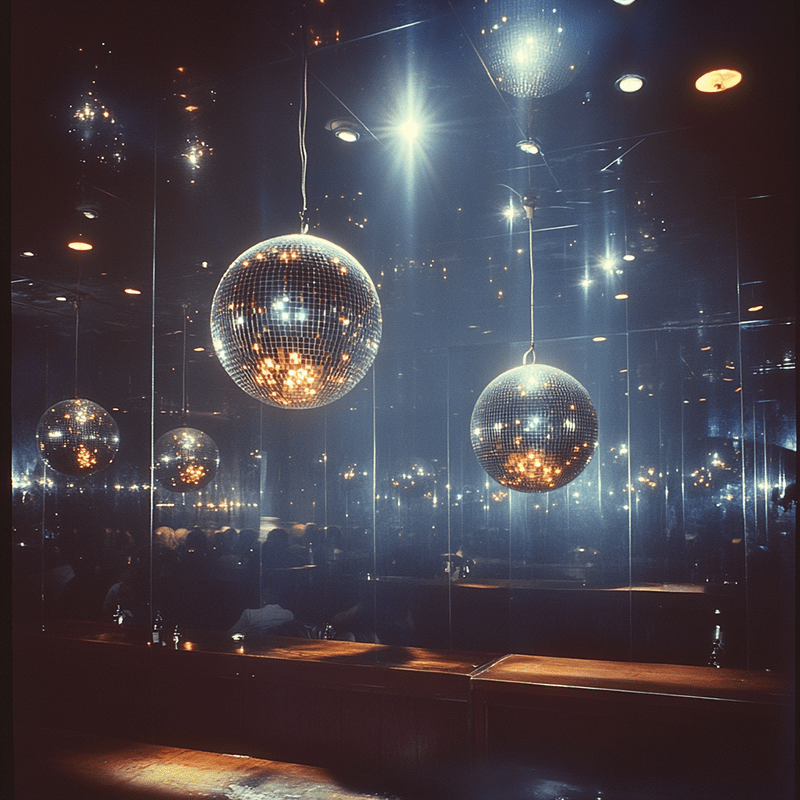
The disco revival wouldn't be complete without the iconic glittering disco balls. These reflective fixtures create dazzling lighting effects and evoke the nostalgic ambiance of 1970s dance floors. Embracing disco balls taps into the era's glitz and glam, transforming any event into a vibrant celebration.
Reflective Surfaces Everywhere
As the 1990s welcomed a disco revival, glittering disco balls became the centerpiece of decor, transforming nightclubs, bars, and event spaces with their dazzling reflections. Reflective surfaces were everywhere, capturing the essence of 1970s disco culture and infusing it with a modern twist.
To create that iconic disco vibe, designers used a mix of materials and textures that emphasized reflection and shine. Polished chrome added a sleek, futuristic edge to the decor. Shimmering sequins adorned everything from curtains to furniture, making every surface sparkle under the lights. Sparkling glass elements, whether in the form of mirrored tiles or decorative accents, enriched the overall glitzy atmosphere.
Here are three key reflective elements that defined the period:
- Mirrored Tiles: Tiny, reflective squares covered walls and ceilings, creating an illusion of endless space and light.
- Metallic Fabrics: Upholstery and drapes in shiny, metallic fabrics added drama and flair.
- Reflective Furniture: Tables and chairs with mirrored or chrome finishes brought a touch of luxury and modernity.
Iconic Dance Floor Lighting
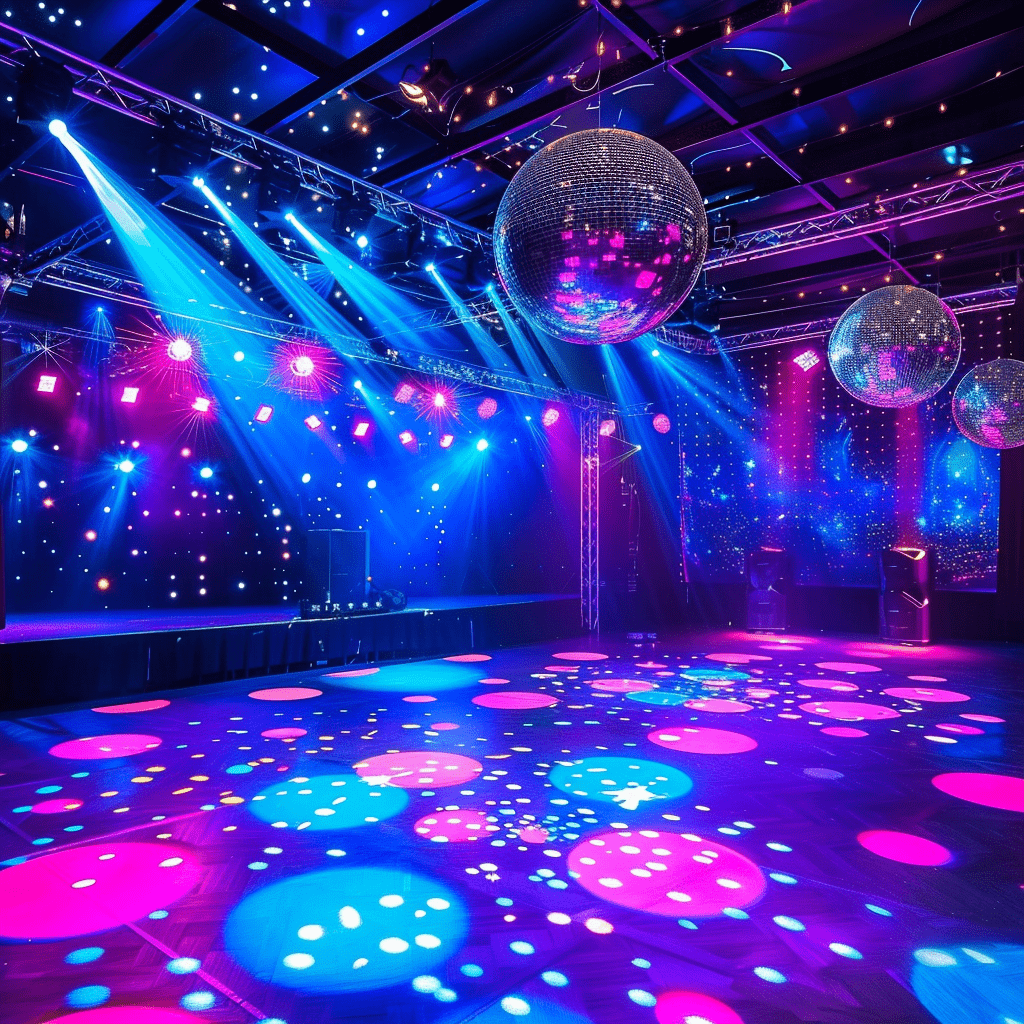
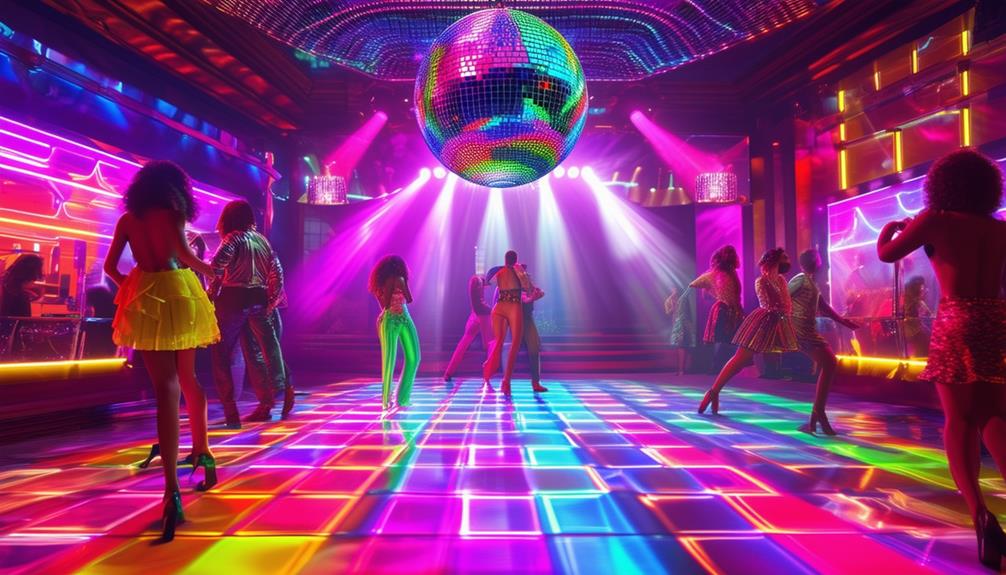
Imagine stepping onto a dance floor illuminated by glittering disco balls, their reflections creating a dazzling and dynamic atmosphere that defined the 1990s disco revival. These mirrored balls weren't just decorations; they were the heart of the party, casting shimmering light that moved with the beat, enhancing every dancer's experience. The 1990s revival saw disco balls reclaim their spot in nightclubs, bars, and event spaces, making them synonymous with festive and glamorous nights out.
Disco balls worked harmoniously with retro light fixtures, sparkling chandeliers, and vintage neon signs to create a vibrant and flamboyant ambiance. The interplay of these elements contributed to an energetic and visually stimulating environment that drew people in and kept them dancing all night long.
Here's how these elements came together:
| Element | Description | Impact on Atmosphere |
|---|---|---|
| Glittering Disco Balls | Mirrored surfaces reflecting light | Mesmerizing and dynamic effects |
| Retro Light Fixtures | Vintage-styled lighting | Nostalgic and trendy |
| Sparkling Chandeliers | Elegant, shimmering lighting | Glamorous touch |
| Vintage Neon Signs | Bright, colorful neon lights | Bold and eye-catching |
| Colorful Lighting | Diverse colored lights enhancing the decor | Energetic and festive |
These elements collectively defined iconic dance floor lighting, making the 1990s disco revival unforgettable.
Nostalgic Party Ambiance
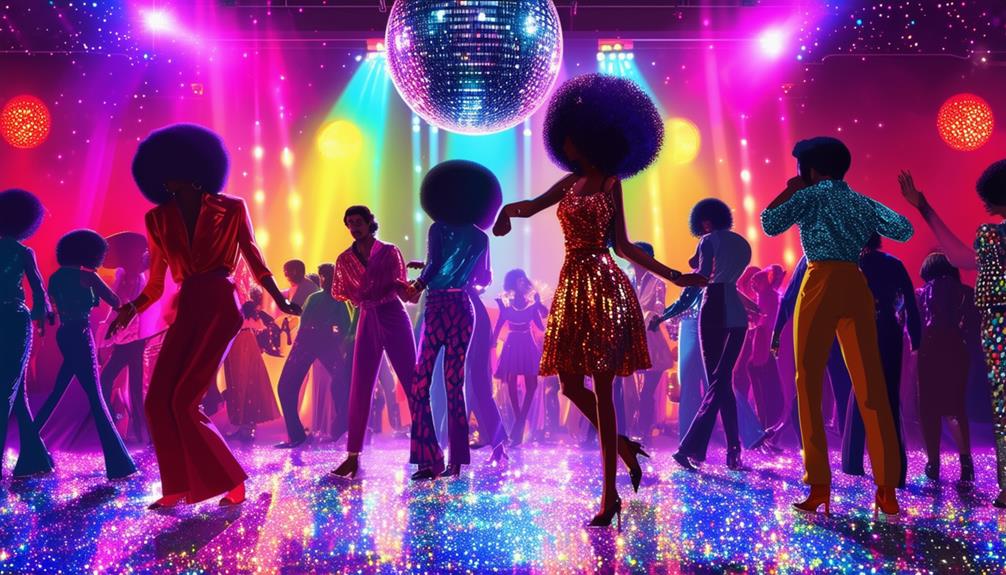
The glittering disco balls of the 1990s brought a nostalgic party ambiance that captured the essence of the disco era, reflecting vibrant lights and adding a glamorous touch to every dance floor. These mirrored spheres weren't just decorative; they played a crucial role in recreating the lively and festive atmosphere reminiscent of 1970s disco clubs. Hung from ceilings or strategically placed around venues, disco balls encouraged you to break out your retro dance moves and lose yourself in the music.
To fully immerse yourself in the nostalgic vibes, many party hosts paired these glittering orbs with vintage record players, spinning classic disco tracks that brought the period to life. Disco-inspired cocktails added to the ambiance, making the night even more memorable as you sipped on colorful drinks that matched the vibrant light reflections.
Here's how you can elevate your own nostalgic party ambiance:
- Hang multiple disco balls: Create a dazzling light show that dances across the room.
- Set up a vintage record player: Spin classic disco vinyl for an authentic sound.
- Mix disco-inspired cocktails: Serve drinks that scream 1970s glam.
These elements combined to make the Disco Revival of the 1990s an unforgettable experience.
Shag Carpets
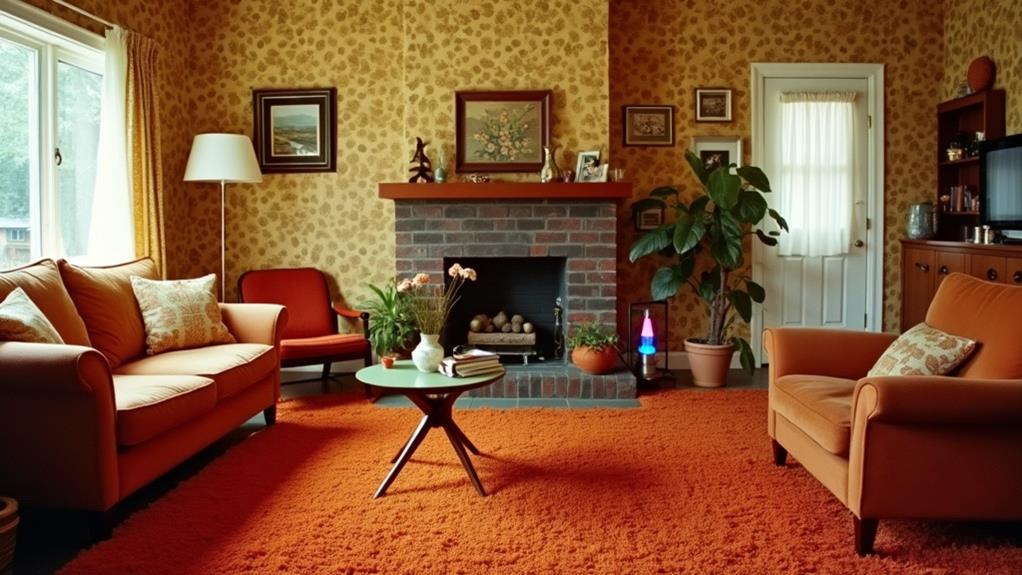
Shag carpets, known for their long, soft fibers, added a plush and retro flair to living spaces during the 1990s disco revival. These carpets became iconic for those aiming to evoke 1970s nostalgia in their homes.
Proper maintenance was key to preserving the appearance of shag carpets. Regular vacuuming with a vacuum cleaner designed for high-pile carpets prevented matting and debris buildup. For persistent dirt, a gentle carpet rake could be used to lift the fibers and restore their fluffy look.
Shag carpets came in a wide range of colors, from bold, vibrant hues to subdued, earthy tones. Whether opting for a fiery orange or a calming beige, the chosen color significantly influenced the room's ambiance.
Styling shag carpets effectively often involved pairing them with minimalist furniture, allowing the carpet to be the focal point. Combining them with other retro elements like bean bag chairs or vintage lighting fixtures created a cohesive and nostalgic aesthetic.
| Maintenance Tips | Color Options |
|---|---|
| Regular vacuuming | Bold, vibrant hues |
| Use a carpet rake | Subdued, earthy tones |
| Gentle cleaning solutions | Custom dye options |
Shag carpets were more than just a trend; they were statement pieces that added warmth and character to any 1990s home.
Futuristic Furniture
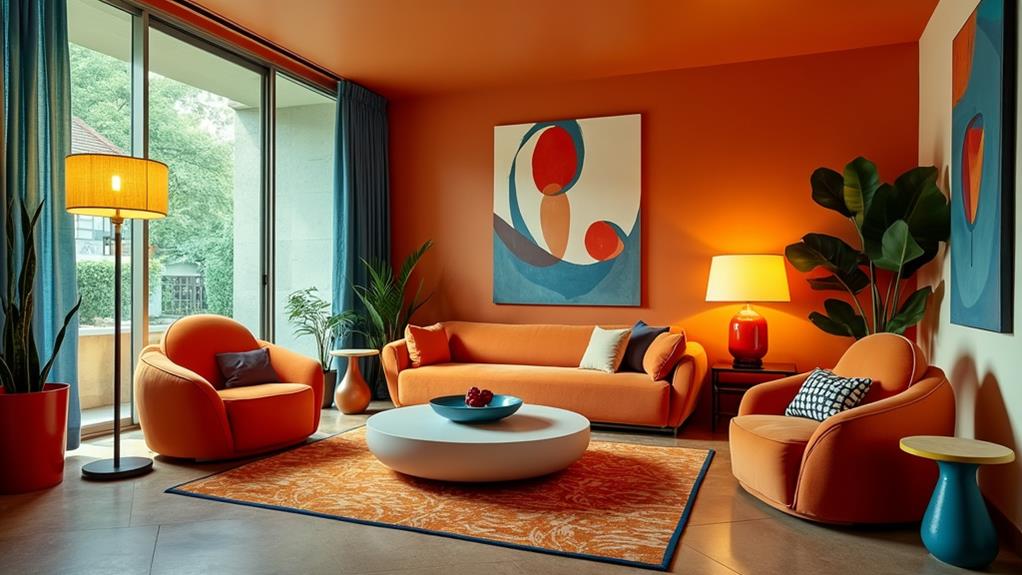
As you step away from the plush comfort of shag carpets, you'll find futuristic furniture infusing a sleek, cutting-edge vibe into the 1990s disco revival. This trend embraced space age design and a retro-futuristic appeal, transforming living spaces into scenes reminiscent of science fiction movies. Designers like Philippe Starck and Karim Rashid spearheaded this movement, crafting iconic pieces that melded high-tech materials with sleek lines.
Materials such as chrome, glass, and plastic were the top choices, providing furniture with a shiny, almost ethereal quality that perfectly complemented the energetic spirit of the disco revival. These materials enabled innovative designs that were both functional and visually striking. Neon colors and geometric shapes were also defining features of this trend. The bold hues and sharp angles made each furniture piece a statement, commanding attention and admiration.
Key elements that defined futuristic furniture in the 1990s disco revival include:
- Space age design with a retro-futuristic appeal: Sleek, almost otherworldly furniture pieces.
- High-tech materials and sleek lines: Dominance of chrome, glass, and plastic.
- Neon colors and geometric shapes: Bright, eye-catching colors and bold shapes.
This fusion of futuristic aesthetics and disco revival energy created a unique and memorable style.
Bold Patterns
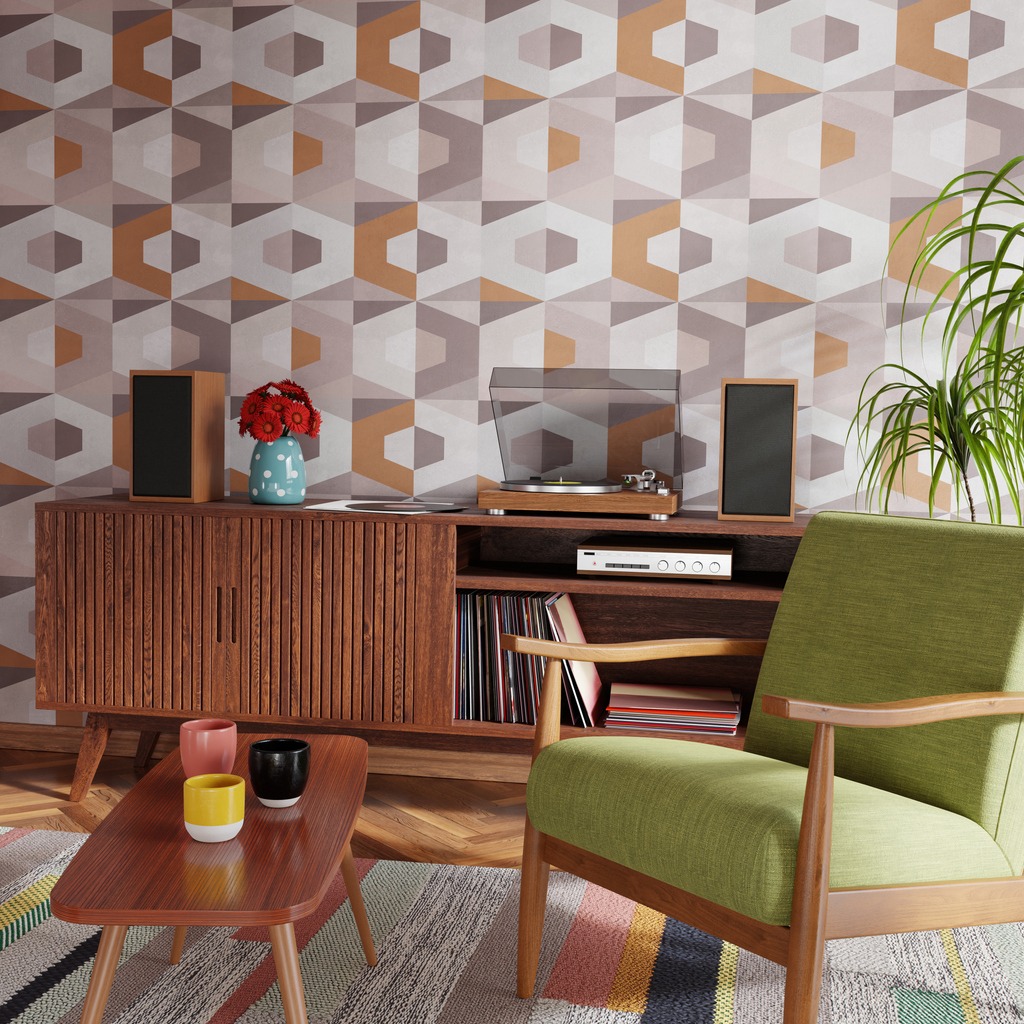
Embracing bold patterns during the 1990s disco revival injected a lively, energetic vibe into interior decor. These dynamic designs adorned retro wallpaper, geometric upholstery, and abstract accessories, reviving the flamboyant spirit of the 1970s. Zigzags, geometric shapes, and abstract motifs played a key role in crafting a nostalgic, eclectic atmosphere.
Retro wallpaper, with its vibrant designs, became a hallmark of the era, capturing the essence of disco. Geometric upholstery turned ordinary furniture into standout pieces, while abstract accessories like throw pillows and rugs added splashes of color and pattern, completing the look.
Here's a snapshot of how bold patterns transformed 1990s interiors:
| Decor Element | Bold Pattern Example |
|---|---|
| Retro Wallpaper | Zigzags, vibrant geometric shapes |
| Geometric Upholstery | Chairs with bold geometric patterns |
| Abstract Accessories | Pillows, rugs with abstract designs |
| Color Scheme | Neon shades, metallics, primary hues |
| Overall Aesthetic | Dynamic, lively, nostalgic |
Conclusion
To capture the essence of the Disco Revival in the 1990s, combine opulent mirrored surfaces with plush velvet and metallic accents. Incorporate glittering disco balls and shag carpets for that nostalgic touch.
Add futuristic furniture and bold patterns to infuse a retro-futuristic vibe. By blending these key elements, you'll create a vibrant, energetic space that celebrates the disco era in a modern, stylish way. Embrace the glamour and get grooving!