What Were the Unique Decor Trends of the 2000s?
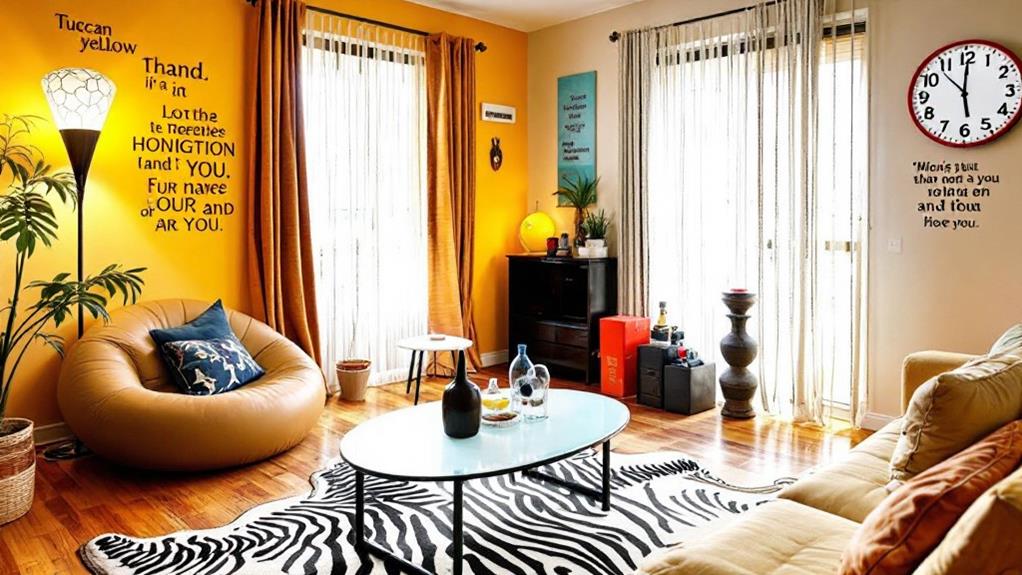
The 2000s brought bold and eclectic decor trends to your home. You'd find open floor plans blending living spaces, while bold wallpapers made a comeback as accent walls. Metallic finishes dominated, with stainless steel appliances and bronze fixtures. Natural textures like rattan and wicker gained popularity, alongside chocolate brown walls for a cozy feel. Shabby chic aesthetics introduced vintage-inspired decor, while themed rooms modified spaces into immersive environments. You might've even adopted inflatable furniture or HGTV-inspired DIY projects. These unique trends reflected the era's creativity and continue to influence modern interior design. Intrigued about how these styles evolved? There's more to investigate.
Bold Wallpaper Revival
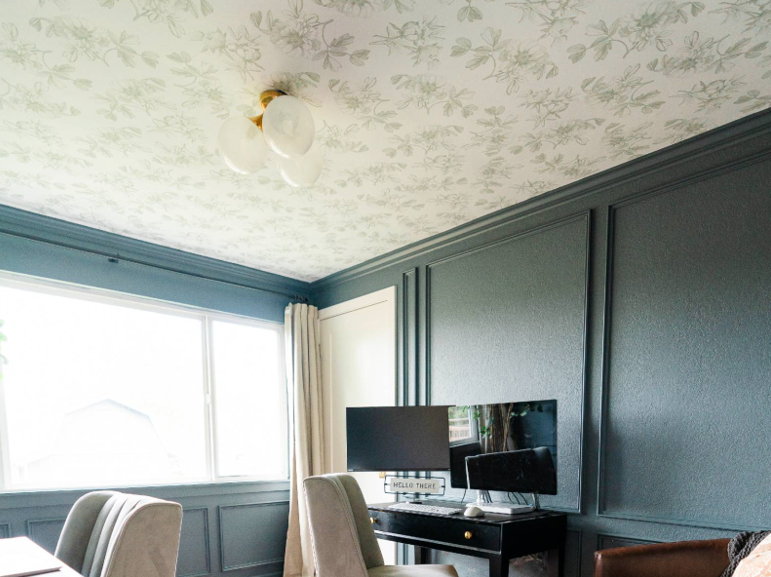
One of the most striking decor trends from the 2000s making a comeback is bold wallpaper. While the era was known for its vibrant, eye-catching patterns covering entire rooms, today's approach is more refined. You can embrace this Home Decor revival by incorporating bold colors and patterns in smaller doses, creating a perfect balance between modern design and nostalgic charm. Surge in popularity during 2010s as homeowners sought customizable and interactive decor.
Consider using wallpaper as an accent wall to add a pop of personality to your space without overwhelming it. Alternatively, framed panels of bold wallpaper can serve as unique artwork. When selecting patterns, opt for contemporary designs and color palettes that complement your existing decor scheme. This way, you'll achieve a fresh, updated look that nods to the 2000s trend without feeling dated.
For those hesitant to commit or living in rental properties, peel-and-stick wallpaper offers a versatile solution. Products like Indigo Safari Woodway Peel & Stick Floral Roll, NuWallpaper Summer Love, and Project 62 Metallic Ribbon Wallpaper allow you to experiment with bold patterns and easily change your style whenever you desire. By thoughtfully incorporating these elements, you'll infuse your space with the energy and creativity that defined 2000s interior design.
Open Floor Plan Popularity
The open floor plan concept swept through home design in the early 2000s, revolutionizing how we think about living spaces. You'd find kitchens, living rooms, and dining areas blending seamlessly into one another, creating a modern look that was both functional and aesthetically pleasing. The walls came tumbling down, and you could now keep an eye on the kids while preparing dinner or chat with guests while showcasing your latest kitchen appliances. Communal seating concepts like the Japanese irori and Eero Saarinen's influential Miller House laid the groundwork for the open and social living spaces of the 2000s. The pandemic has made us rethink this privacy-free approach. You might now be looking for ways to create more defined spaces within your open floor plan. Creative solutions have emerged, such as:
- Sliding barn doors
- Movable bookshelves
- Flexible room dividers
While the open floor plan trend might have continued uninterrupted without the pandemic, you're now likely seeking a balance between openness and privacy. The design approach has evolved, incorporating more adaptable living spaces that can alter based on your needs. As we move forward, you'll find that the open floor plan concept is still alive, but with a post-pandemic twist that values both connectivity and personal space.
Metallic Accents and Finishes
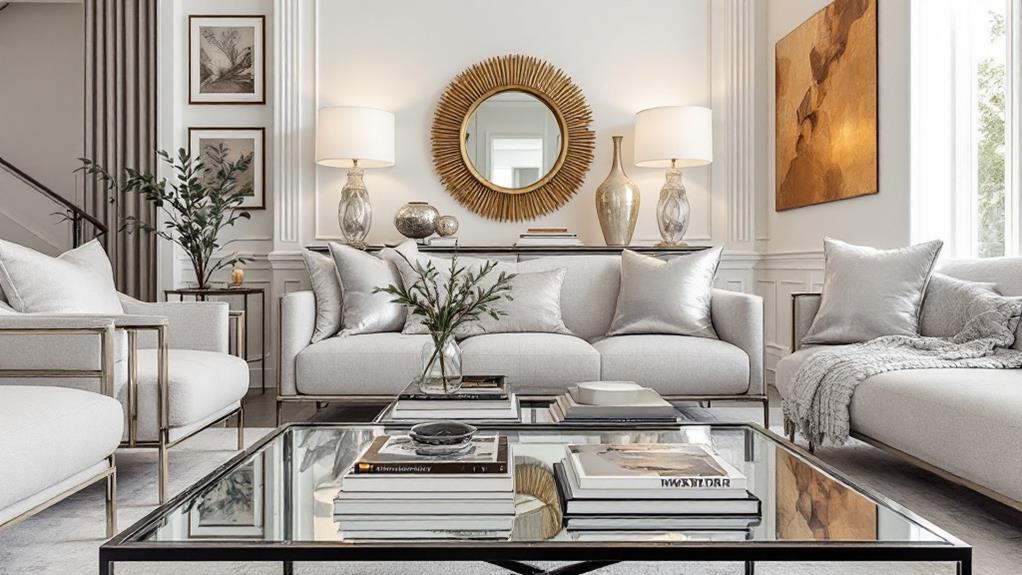
Throughout the 2000s, metallic accents and finishes dominated interior design, adding a touch of glamour and sophistication to homes across the country. You'd find stainless steel appliances in kitchens and oil-rubbed bronze faucets in bathrooms, creating a luxurious, high-end aesthetic that was all the rage.
Designers welcomed this trend by incorporating metallic elements into various aspects of home decor. You'd see shiny hardware adorning cabinets, metallic lighting fixtures hanging from ceilings, and decorative accessories with lustrous finishes scattered throughout living spaces. These metallic touches provided a perfect balance to the softer, natural textures like rattan and wicker that were also popular during this time.
As the decade progressed, you might have noticed a shift towards more subdued metallic tones. Brushed gold and matte black started to replace the flashier, highly reflective finishes that were initially popular. While metallic finishes remained abundant, their use became more restrained, allowing other design elements to shine. This evolution in the metallic trend showcased how interior design styles can adapt and change over time, reflecting shifting tastes and preferences.
Natural Textures and Materials
While metallic finishes added a touch of glamour, the 2000s also saw a surge in natural textures and materials that brought warmth and organic elements to interior spaces. You'd notice a shift away from darker woods towards lighter, more natural wood tones that were uplifting and easier to design around. This change softened the prevalence of metal finishes and created a more inviting ambiance in homes.
Natural textures became increasingly popular, offering a softer contrast to the sleek, metallic look of earlier years. You'd find:
- Seagrass rugs adorning floors
- Rattan and wicker furniture adding a casual, beachy vibe
- Grasscloth wallcoverings bringing texture to walls
As eco-friendly design gained momentum, sustainable materials like bamboo, cork, and reclaimed wood started making their way into homes. You'd see an emphasis on incorporating natural elements like stone, wood, and textiles to create warm, welcoming spaces. This trend towards natural materials and textures not only softened interiors but also reflected a growing awareness of sustainability in design choices.
Chocolate Brown Color Trend
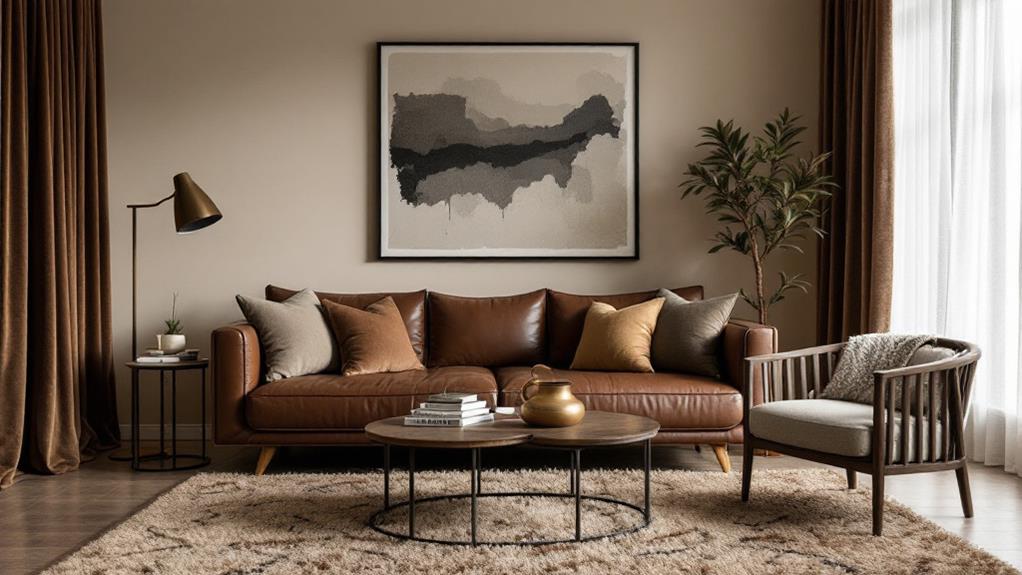
Stepping into homes of the early 2000s, you'd often come face-to-face with walls painted in rich, velvety chocolate brown. This earthy tone marked a significant shift in interior design preferences, replacing the cooler gray palettes that dominated the 1990s. The chocolate brown trend wasn't just about color; it represented a broader move away from hyper-modern aesthetics towards a warmer, more inviting atmosphere.
You'd find that this deep, luxurious hue created a warm and cozy autumnal ambiance in living spaces. It allowed you to incorporate a sense of depth and sophistication into your decor, perfectly complementing natural materials and textures. The versatility of chocolate brown meant you could easily pair it with various design elements, from rustic wood furniture to sleek metal accents.
As you welcomed this trend, you'd notice how it transformed your home into a more welcoming and intimate space. However, like all trends, the popularity of chocolate brown eventually waned. In the following years, you'd see it gradually replaced by lighter, more invigorating wood tones as design preferences continued to evolve.
Shabby Chic Aesthetics
As chocolate brown walls began to fade from popularity, a softer, more romantic aesthetic emerged in the 2000s: shabby chic. This charming style captured hearts with its nostalgic appeal, incorporating distressed furniture and vintage-inspired decor to create a cozy, lived-in ambiance.
If you were decorating in the shabby chic style during the 2000s, you'd likely have seen:
- Weathered wooden dressers with chipped paint and ornate handles
- Floral-patterned throw pillows and lace curtains in soft, neutral hues
- Whitewashed frames displaying sepia-toned family photographs
The shabby chic trend emphasized comfort and a sense of history. You'd find pieces that looked as if they'd been lovingly passed down through generations, even if they were new acquisitions. Whitewashed finishes and deliberately distressed surfaces were hallmarks of this aesthetic, adding character to furniture and accessories alike.
While shabby chic reached peak popularity in the 2000s, its timeless appeal has maintained its enduring presence. Today, you can still incorporate elements of this style to add a touch of romantic elegance to your contemporary space. By mixing vintage-inspired pieces with modern decor, you'll create a unique and inviting atmosphere that balances nostalgia with current trends.
Themed Room Designs
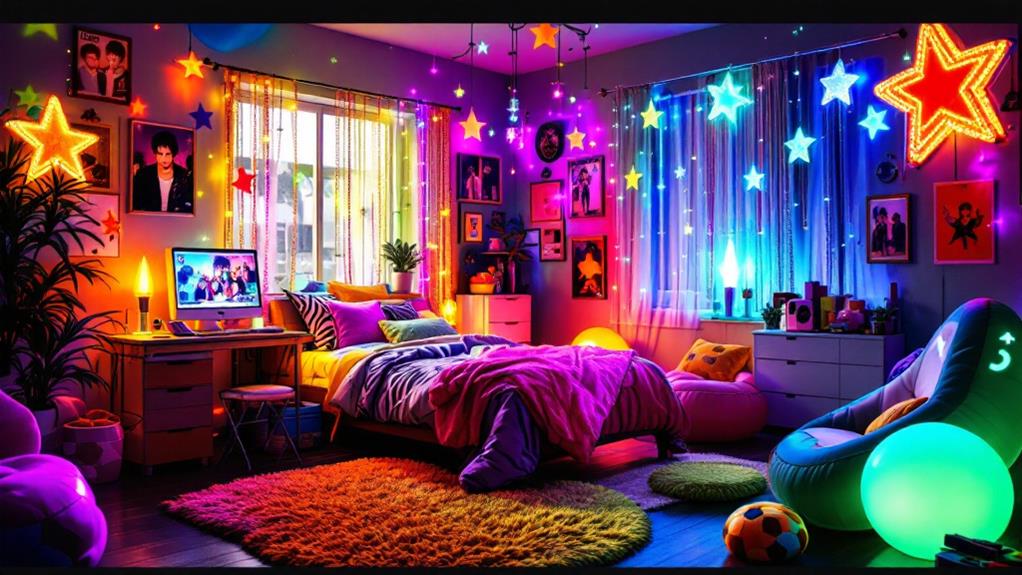
Altering rooms into immersive, themed environments became a hallmark of 2000s interior design. You might have found yourself transforming your kitchen into a Tuscan-inspired retreat or your child's bedroom into a superhero headquarters. This trend, fueled by popular home design TV shows, encouraged you to experiment with diverse influences and personal style.
Themed room designs allowed you to express your unique personality while creating functional, visually arresting spaces. You'd curate thematic spaces by coordinating furnishings, decor, and color schemes to evoke specific moods and experiences. For instance, you might've crafted a cozy country-style bedroom or a lively Mediterranean-themed living area.
To fully realize your desired aesthetic, you'd incorporate signature design elements like decorative backsplashes, custom cabinetry, specialty wallpapers, and themed accessories. These details created cohesive, visually striking spaces that stood in contrast to the more neutral, open-concept layouts that would later gain popularity.
Inflatable Furniture Craze
While themed rooms dominated many homes, another quirky trend took the 2000s by storm: inflatable furniture. This lightweight and portable design option offered a playful twist to traditional home decor. You could easily transform your living space with colorful air chairs and ottomans, adding a whimsical touch to your interior.
The inflatable furniture craze appealed to various demographics, especially those in small spaces or temporary living situations. You'd often find these pieces in:
- Dorm rooms
- First apartments
- Outdoor patios
Manufacturers like Fatboy and Intex capitalized on this trend, producing a wide range of designs to suit different tastes. The versatility of inflatable furniture made it a popular choice for those who wanted to experiment with their home's look without committing to heavy, permanent pieces.
While the trend eventually faded, its impact on 2000s design was significant. It represented the era's acceptance of unconventional and interactive home decor. The inflatable furniture craze taught us that furniture and decor could be both functional and fun, encouraging homeowners to think outside the box when it came to their living spaces.
HGTV-Inspired DIY Decor
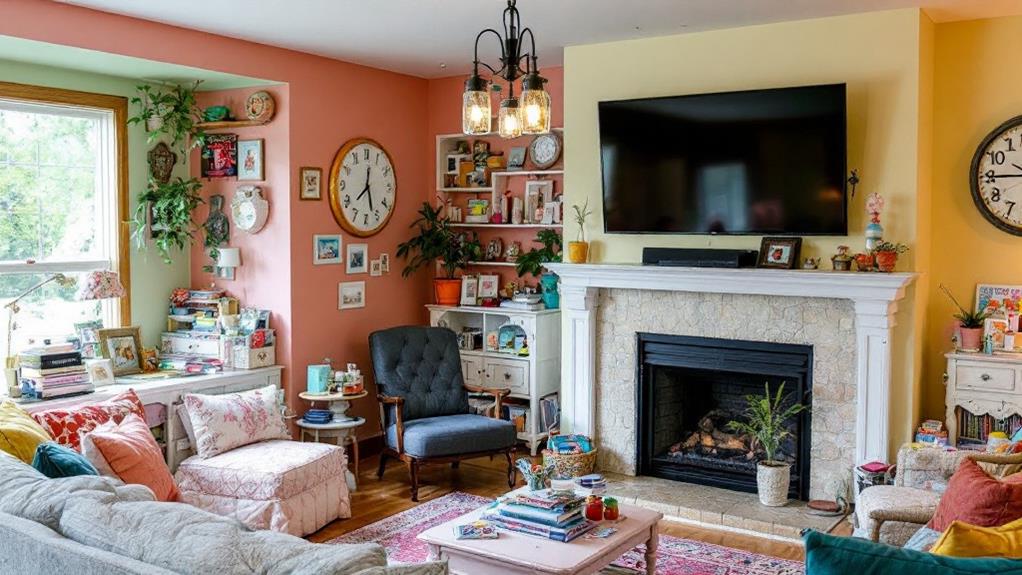
The 2000s frequently saw living rooms morph into makeshift craft studios as HGTV-inspired DIY decor took center stage. You couldn't turn on the TV without seeing a home improvement show, sparking a surge in DIY projects and a desire for personalized, handmade elements in your home.
As a homeowner, you embraced crafting and upcycling, repurposing found objects and vintage pieces to create unique, budget-friendly accents. Popular projects included stenciling walls, distressing furniture, and making your own throw pillows, candles, and wall art. This DIY trend adopted you to experiment with your personal style and create a more customized, lived-in feel in your space.
HGTV's influence normalized the idea that you, as a homeowner, could be an active participant in the design process, rather than just a passive consumer of ready-made decor. You were encouraged to roll up your sleeves, grab a paintbrush, and reshape your home into a reflection of your personality. This hands-on approach not only saved you money but also allowed you to infuse your space with character and charm that mass-produced items simply couldn't match.