What Were the Unique Decor Trends of the 90s?
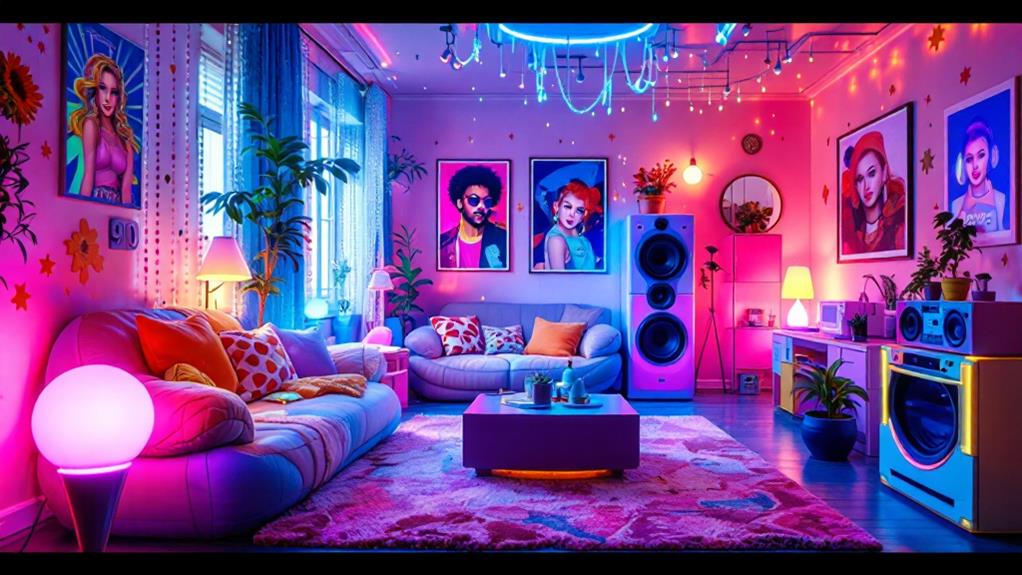
The 90s were a wild ride for interior design. You'd find ultrafrilly extravagance with ruffles and lace everywhere, contrasting the earlier minimalism. Wicker furniture made a comeback, while patterns exploded in a riot of clashing designs. Faux finishing techniques altered walls into works of art, and themed wallpapers created immersive spaces. Kids' rooms became fantastical wonderlands, and pastel color palettes offered a soothing respite. Chunky entertainment centers dominated living rooms, while inflatable furniture added a touch of whimsy. These unique trends defined the decade's aesthetic, and there's so much more to uncover about this eclectic era.
Ultrafrilly Extravagance
In stark contrast to the minimalism of the early 90s, ultrafrilly extravagance burst onto the decor scene, ushering in an era of unabashed opulence. This maximalist trend embraced/welcomed/accepted excess in every aspect of interior design, challenging you to rethink your approach to home decor.
You'd find rooms dripping with ornamentation, pushing the boundaries of what was considered tasteful. Ruffles and lace adorned every surface, from curtains to upholstery, creating a lavish aesthetic that screamed femininity. Designers encouraged you to layer textures and patterns, resulting in spaces that were a feast for the eyes. Modern bean bag chairs emerged in 1960s with Sacco chair invention, reflecting a shift towards casual comfort that contrasted with the ultrafrilly decor.
This ultrafrilly style served as an antidote to the grunge phase, offering a much-needed escape into luxury. You'd see ornate embellishments on furniture, textiles, and accessories, creating an atmosphere of indulgence. The goal was to incorporate as much decoration as possible, leaving no surface unadorned.
Wicker Furniture Revival
While ultrafrilly extravagance dominated some corners of 90s decor, another trend emerged that brought a more relaxed vibe to homes. The 1990s saw a remarkable revival of wicker furniture, which quickly became a hallmark of the decade's Home Decor Trends. The popularity of Tuscan-inspired interiors in the 1990s also influenced the rise of wicker furniture, as it complemented the warm, rustic aesthetic. You couldn't escape the surge in demand for these natural, versatile pieces that seamlessly blended with various design styles.
As a homeowner in the 90s, you likely accepted wicker furnishings to create a casual, laid-back aesthetic in your living spaces. Whether you opted for a white wicker set to complement a modern look or chose more traditional pieces, wicker's ability to transcend different design preferences made it a go-to choice. The material's popularity reflected its versatility and how it could effortlessly add a touch of nature to any room.
From sun porches to living rooms, wicker furniture became ubiquitous in 90s interiors. Its prevalence in homes across the country showcased how this trend resonated with people seeking a more relaxed and inviting atmosphere. The wicker furniture revival perfectly captured the decade's desire for comfort and style.
Pattern Explosion
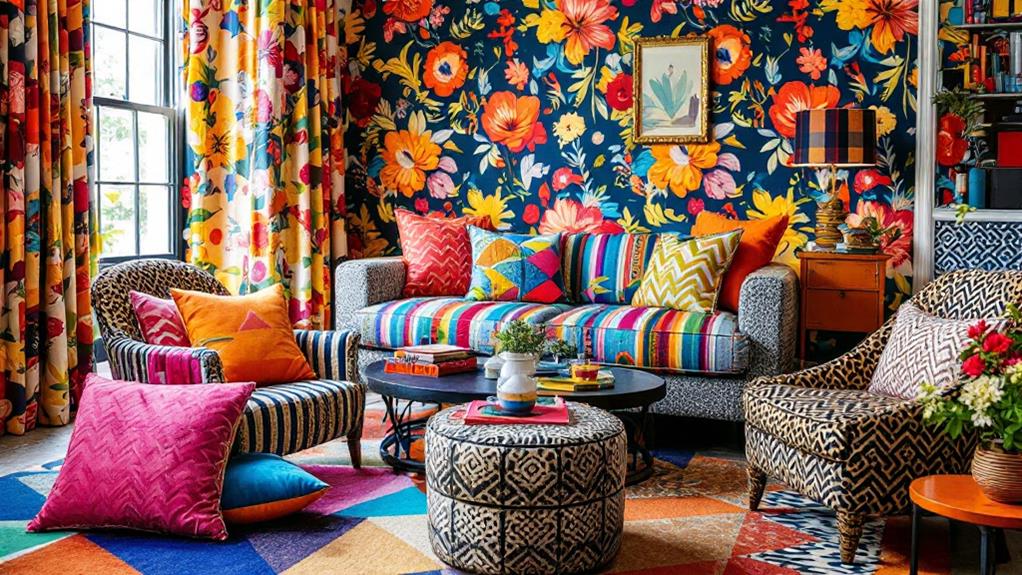
The 90s' love affair with patterns reached a fever pitch, altering homes into colorful tapestries of conflicting designs. You couldn't escape the pattern explosion that dominated 90s decor. Every room became a playground for clashing prints, with stripes, gingham, and florals coexisting in harmonious chaos. The more patterns you mixed, the better – it was a trend that celebrated visual stimulation and boldness.
This maximalist style wasn't limited to just one aspect of your decor. You'd find patterned furniture, wallpaper, and textiles covering every surface. The Squiggle Decor Trend perfectly embodied this aesthetic, adding another layer of visual interest to already busy spaces. Designers competed to extend the boundaries, encouraging you to adopt the loudest, most contrasting combinations possible.
To complement the pattern-heavy look, you might have experimented with decorative wall painting techniques. Sponge painting and rag-rolling added texture and depth, further enhancing the overall sensory experience. This explosion of patterns and colors transformed your home into an energetic, dynamic space that embodied the daring spirit of 90s interior design.
Faux Finish Frenzy
As if the pattern explosion wasn't enough, 90s decor took another bold step with the faux finish frenzy. You couldn't turn your back without seeing walls altered by faux finishing techniques like sponging, ragging, and glazing. These decorative painting methods weren't just popular; they were a phenomenon that swept through homes, making every space a unique canvas.
You'd find homeowners rolling up their sleeves, enthusiastic to try their hand at these techniques. The appeal lay in the ability to create personalized, one-of-a-kind spaces that perfectly captured the eclectic 90s aesthetic. To complement these textured walls, you'd often see decorative wall decals added, creating layers of visual interest.
The trend was so pervasive that it extended beyond walls to furniture, making every surface a potential art piece. While some homeowners later regretted the difficulty of removing these finishes, at the time, the faux finish craze was unstoppable. It allowed you to make your mark on your living space, quite literally, and adopt the hands-on, DIY spirit of 90s interior design.
Wallpaper and Mural Mania
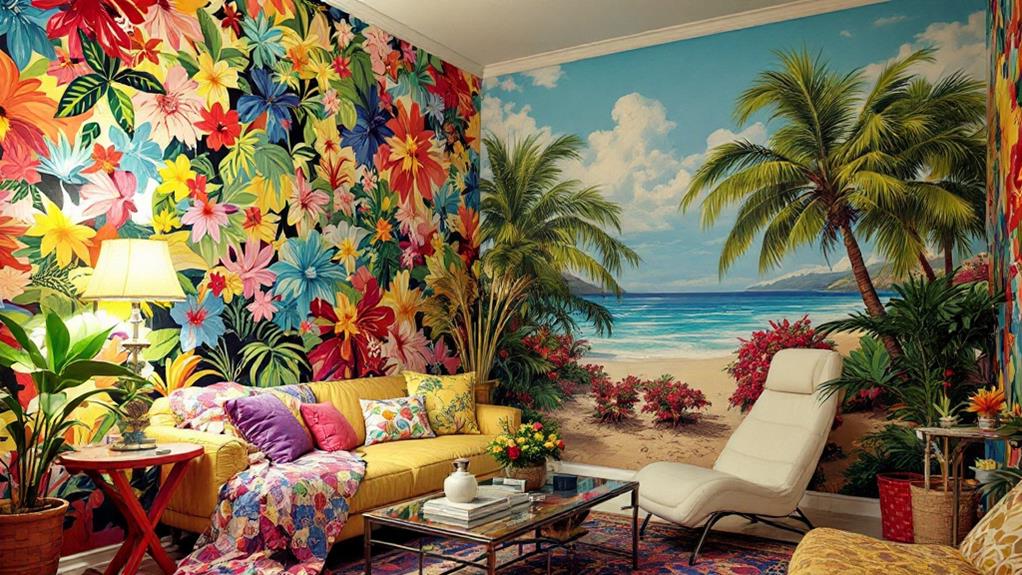
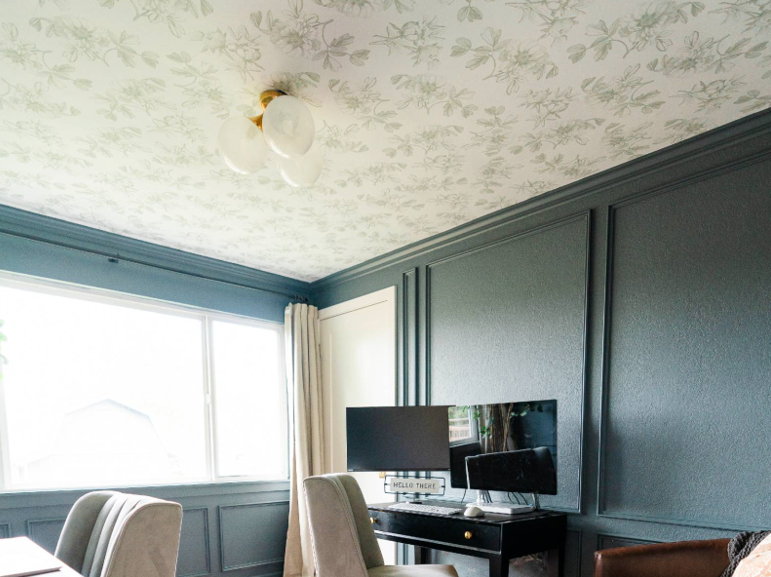
If you thought faux finishes were bold, wallpaper and murals took 90s decor to a whole new level. You couldn't escape the ubiquitous trend of elaborate wall coverings that transformed rooms into immersive spaces. From floral wallpaper to intricate murals, homeowners welcomed personalization with gusto.
Kids' rooms were particularly susceptible to this craze, with themed wallpapers and murals creating fantastical environments. Little did you know, these artistic expressions would become the bane of future homeowners' existence, proving challenging to remove.
Complementing the faux finish and sponge painting techniques, decorative wall decals added another layer to the 90s interior design palette. You might've thought this trend was gone for good, but surprise! It's back and better than ever. The decor trend is back, adapting to suit modern tastes.
Today's wallpaper and mural revival incorporates fresh designs, with the Gardensis part of nature-inspired patterns making a comeback. Even wicker back accents are finding their way into contemporary interiors. So, if you're feeling nostalgic, you can welcome these trends that are back, albeit with a modern twist.
Themed Kids' Room Wonderlands
Stepping into a 90s kids' room was like entering another world entirely. These themed kids' rooms transported you to magical domains where beloved characters came to life. Winnie the Pooh, Cinderella, and Power Rangers adorned walls, bedding, and accessories, creating immersive environments that sparked imagination.
You'd find elaborate wallpaper murals and hand-painted scenes covering entire walls, transforming ordinary spaces into fantastical landscapes. Bunk beds became castles or spaceships, while toy chests doubled as treasure troves or superhero hideouts. Every element, from customized furniture to playful nightlights, contributed to the cohesive theme.
As a parent, you'd embrace the hands-on approach, often sponge painting walls or crafting DIY decorations to perfect the look. The goal was to design a personalized space that reflected your child's interests and encouraged creativity.
These themed wonderlands weren't just about aesthetics; they represented a shift towards child-centric design. By surrounding kids with their favorite characters and imaginative scenes, you created a space where they could dream, play, and grow in an environment tailored just for them.
Pastel Color Palettes
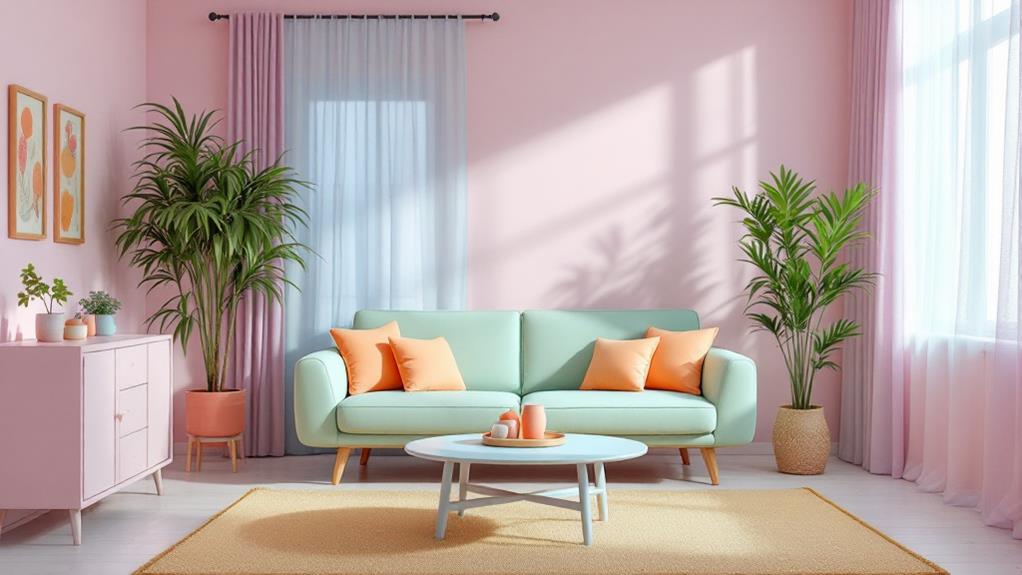
While bold colors dominated many aspects of 90s culture, pastel hues reigned supreme in interior design. You'd find soft lavender, baby blue, and pale pink creating a gentle, sophisticated ambiance in homes across the country. These light, airy tones were a stark contrast to the grunge aesthetic that defined much of the decade's fashion and music.
Designers accepted the challenge of curating dreamy, nostalgic spaces by mixing and matching pastel tones throughout rooms. They pushed the limits of pastel-infused ornamentation, ensuring a cohesive flow in 90s interiors. You'd often see pastel furniture, textiles, and wall art working together to create a calming, feminine appeal.
While recent Design Trends have favored bold, saturated colors, all-pastel spaces are making a comeback. Homeowners are once again seeking out the soothing qualities of the 90s pastel palette. To give this look a modern twist, you can pair pastel hues with light wood or clean white backdrops. This combination of neutral color with soft pastels creates a fresh take on the quintessential 90s pastel decor style, Making a Modern interpretation of this beloved trend.
Chunky Entertainment Centers
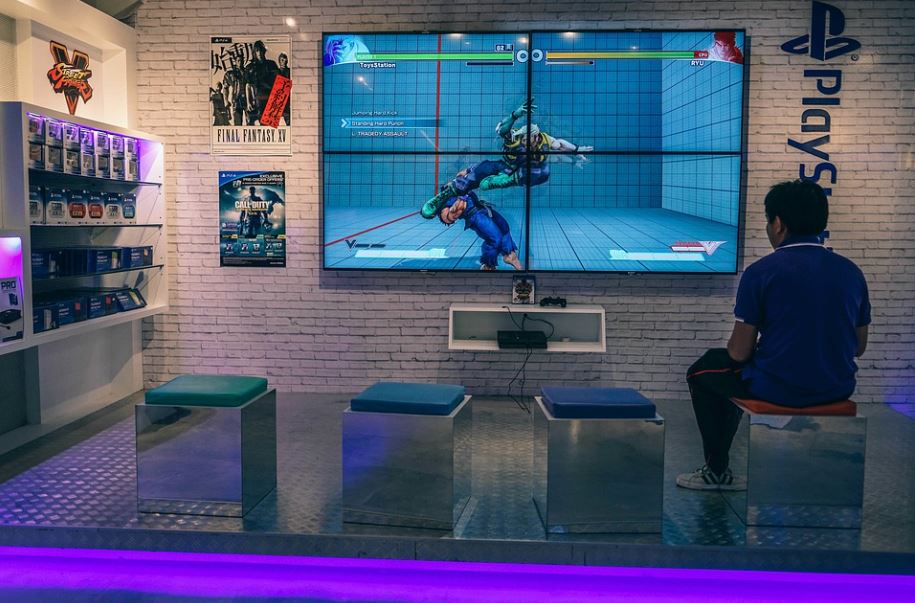
As pastel hues softened living spaces, another 90s decor trend took center stage in the form of chunky entertainment centers. You couldn't miss these oversized, boxy behemoths dominating living rooms across America. Built-in and often crafted from dark wood, they were designed to house the era's bulky CRT televisions and audio equipment.
These entertainment centers became the focal point of any room, reflecting the technology of the time and our desire to showcase media prominently. To enhance site discoverability and analyze site usage, you might have added a device to enhance site visibility, much like how these units enhanced your TV viewing experience.
Just as clicking "Accept All Cookies" or adjusting your Settings to "Accept All Cookies" allows websites to remember your preferences, these units remembered a bygone era of home entertainment. You might've even used slipcovers to protect them, as they were built to last for years.
However, as flat-screen TVs and smaller electronic devices became more common in the 2000s, the need for these domineering structures faded. The chunky entertainment center, once a symbol of modern living, became a relic of 90s decor.
Inflatable Furniture Craze
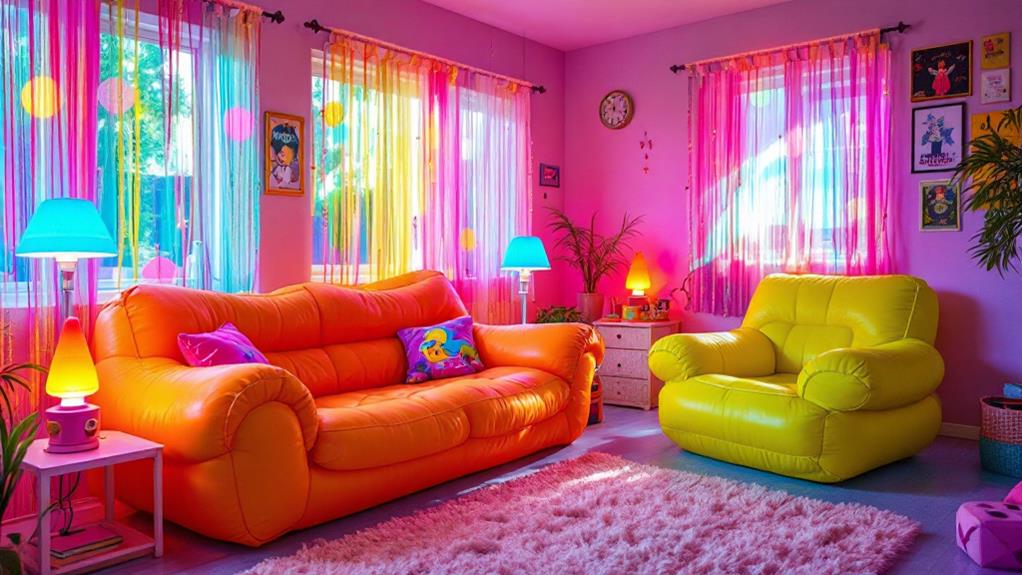
Bursting onto the scene in the 1990s, inflatable furniture became an instant hit among young adults and college students. This playful design trend offered an affordable and space-saving solution that perfectly captured the era's experimental spirit. You could easily transform your living space with these whimsical pieces that came in vibrant colors and eye-catching patterns.
Imagine walking into a 90s dorm room or apartment to find:
- A translucent purple inflatable chair
- A neon green blow-up sofa
- A sparkly silver inflatable ottoman
- A multi-colored inflatable side table
These inflatable furnishings weren't just practical; they were a statement. They reflected the decade's embrace of unconventional aesthetics and the desire for customizable, portable decor. You could deflate and store them when not in use, making them ideal for small spaces or frequent moves.
Despite their somewhat fragile nature, inflatable furniture became a defining symbol of 1990s interior design. Its popularity was fueled by low cost, easy storage, and the ability to customize with unique graphics. This trend perfectly encapsulated the fun, carefree spirit of the decade, allowing you to express your personality through your living space in a whole new way.