
How Board Games Like Settlers of Catan and Ticket to Ride Captured Geek Hearts
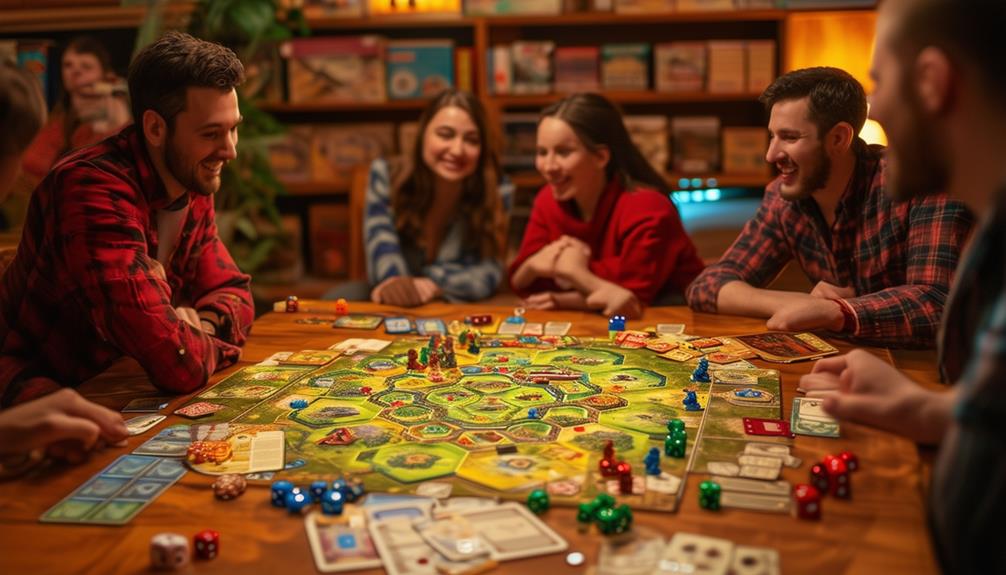
Have you ever wondered why board games like Settlers of Catan and Ticket to Ride have captured the hearts of so many enthusiasts? It's not just about rolling dice or drawing cards; these games offer a blend of strategic depth and engaging mechanics that keep players coming back.
With elements like resource management, negotiation, and ever-changing setups, they provide a unique challenge every time. Beyond the game board, they foster social connections and teamwork, making them more than just a pastime. Curious about why these games are more than just a fleeting trend?
Engaging Gameplay Mechanics
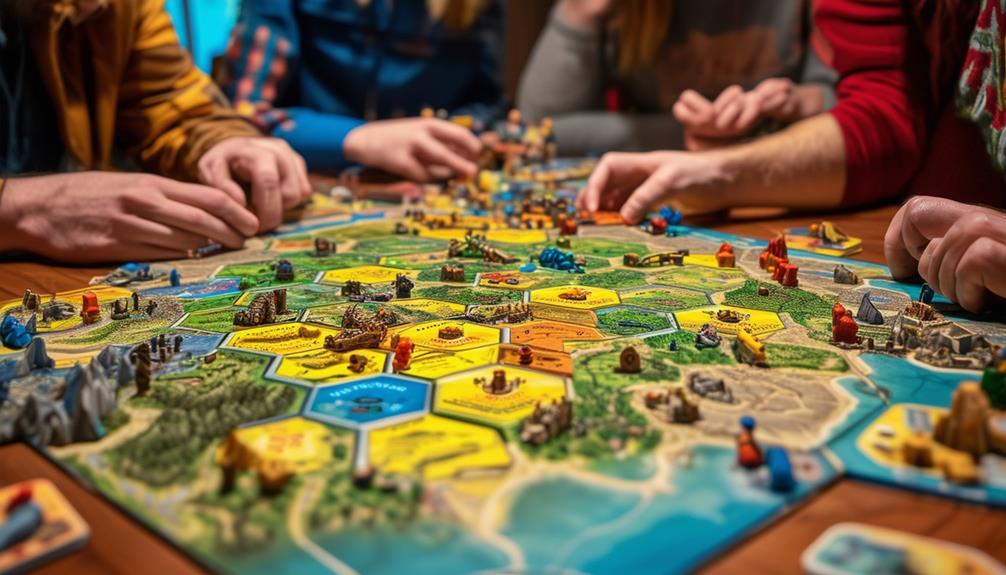
Engaging gameplay mechanics in Settlers of Catan and Ticket to Ride ensure players are continuously making strategic decisions and adapting to new challenges. In Settlers of Catan, players immerse themselves in resource management and strategic planning. Collecting resources like wood, brick, and wheat is vital for building settlements and roads, with each settlement bringing players closer to earning victory points, a key aspect of winning the game.
The board's ever-changing layout keeps the gameplay fresh, ensuring no two sessions are alike. Ticket to Ride, on the other hand, captivates players with its simple yet strategic gameplay. Players gather train cards to claim railway routes across North America. Deciding when to draw more cards and when to build routes requires a balancing act that keeps the game engaging.
Completing longer routes and fulfilling destination tickets can earn substantial points, making each card draw and route claim significant. Both games blend luck and skill, creating a dynamic experience that's enjoyable for all. The combination of resource management in Settlers of Catan and the thrill of collecting train cards in Ticket to Ride guarantees an engaging and interactive experience.
Strategic Depth
Strategic depth in Settlers of Catan and Ticket to Ride challenges players to think critically and plan their moves meticulously. In Settlers of Catan, players must build settlements and cities while managing resources like wood, brick, and grain. Every decision—from initial settlement placement to resource trading—requires careful consideration. Ticket to Ride, on the other hand, involves constructing train routes across a map, balancing the need to complete personal routes with the risk of opponents blocking paths.
These games transcend mere luck; they demand calculated strategies to secure victory. Players must adapt to evolving circumstances and make decisions that can either lead to triumph or downfall.
Here's a comparison of key strategic elements in both games:
| Game | Key Strategic Element |
|---|---|
| Settlers of Catan | Initial Settlement Placement |
| Settlers of Catan | Resource Trading |
| Ticket to Ride | Route Planning |
| Ticket to Ride | Card Management |
| Both | Adapting to Opponents' Moves |
The strategic depth offered by these board games keeps players returning, eager to discover new strategies and refine their gameplay. Whether a seasoned gamer or a newcomer, the blend of planning and tactical decision-making in Settlers of Catan and Ticket to Ride offers endless engagement.
Resource Management
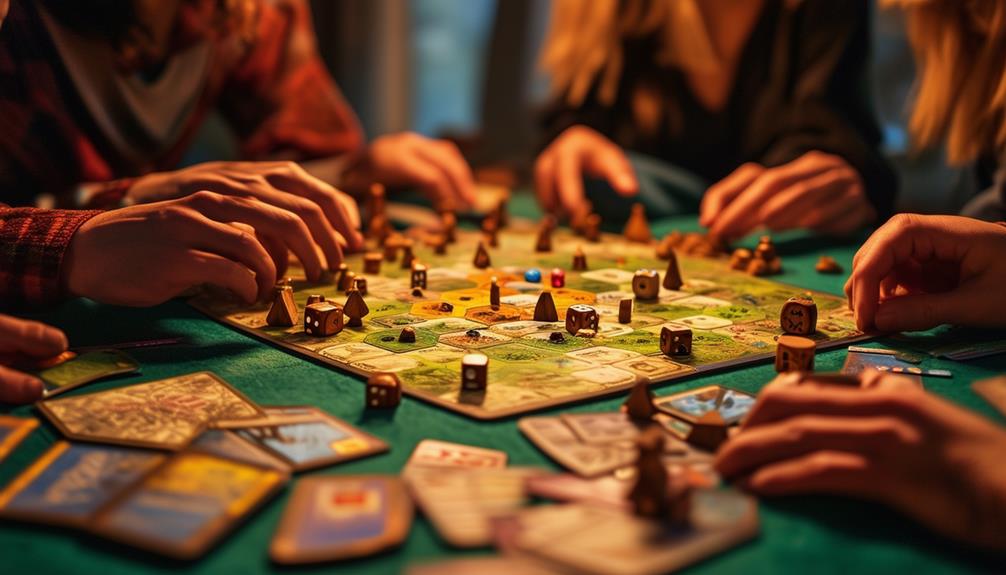
Understanding strategic depth is just the beginning; mastering resource management in Settlers of Catan and Ticket to Ride is where true skill shines. In Settlers of Catan, you'll juggle resources like wood, brick, sheep, wheat, and ore to build settlements, cities, and roads. Each turn requires strategic decisions about which resources to collect and how to trade them effectively with other players. Your ability to negotiate and trade can significantly impact your success.
In Ticket to Ride, resource management involves collecting train cards of various colors to claim railway routes and connect cities across North America. Careful planning is essential as you balance gathering the right cards while monitoring your opponents' moves. Every decision counts, and mismanaging your resources can hinder your ability to complete routes.
Both games emphasize strategic resource allocation. Whether trading sheep for brick in Settlers of Catan or hoarding blue train cards in Ticket to Ride, effective resource management is crucial. This aspect of gameplay adds depth and challenge, making these games beloved by geeks and casual players alike.
Interactive Gameplay
Playing Settlers of Catan or Ticket to Ride involves strategic decision-making that keeps you engaged. The social interaction dynamics make each game unique, as you negotiate trades or block opponents' routes. Competitive elements heighten the excitement, ensuring that every move is crucial to your path to victory.
Strategic Decision Making
Both Settlers of Catan and Ticket to Ride immerse players in scenarios where each decision is critical, requiring adept resource management and strategic planning. In Catan, players must strategically manage resources to construct settlements, roads, and cities, all while aiming to accumulate victory points. The roll of the dice can significantly alter your position, necessitating flexibility and forward-thinking.
In contrast, Ticket to Ride centers on route-building, compelling players to efficiently manage train cards and choose routes that maximize their points. The competition intensifies as players race to complete their train routes, necessitating a keen awareness of both their own resources and their opponents' strategies.
Both games excel in engaging players through interactive mechanics, compelling them to continually reassess strategies based on evolving game dynamics. Whether negotiating trades in Catan or strategically blocking a route in Ticket to Ride, the excitement lies in making crucial decisions that edge you closer to victory while thwarting your competitors.
Social Interaction Dynamics
Settlers of Catan and Ticket to Ride thrive on their interactive gameplay, encouraging players to negotiate, trade, and strategize in real-time. These games offer a unique level of social interaction that makes each session distinctive.
In Settlers of Catan, players constantly negotiate for resources, offer trades, and form alliances, creating a dynamic social atmosphere where every move affects the entire game. Ticket to Ride emphasizes social interaction differently, focusing on the race to connect cities while strategically blocking opponents' routes. Here, interactions are less about negotiation and more about anticipating and countering others' strategies.
Both games require quick thinking and adaptability to the evolving game state, making strategic decision-making essential. The social interaction in these games transcends mere competition; it's about the shared experience. These interactions foster deeper connections among players. Whether you're negotiating a crucial trade in Settlers of Catan or outmaneuvering an opponent in Ticket to Ride, the social dynamics are what make these games so engaging and beloved by enthusiasts.
Competitive Engagement Elements
Beyond fostering social connections, games like Settlers of Catan and Ticket to Ride captivate players through their competitive engagement elements, requiring strategic decision-making and adaptability.
In Settlers of Catan, mastery of resource management, trading, and settlement building is essential. Players gather resources such as wood, brick, and ore, then decide how best to utilize them to expand their holdings or trade with others. The dynamic nature of the game, influenced by changing board conditions and opponents' actions, demands constant adaptation.
Ticket to Ride focuses on route building and strategic planning. Players draw cards to claim railway routes across a map, aiming to connect specific cities. The competitive element lies in choosing efficient routes while potentially disrupting opponents' plans. Balancing short-term goals, like completing a route, with long-term strategies to optimize points is crucial.
Both games thrive on interactive gameplay, where decisions directly impact everyone's outcomes. This dynamic experience encourages players to refine their strategies and outwit competitors, solidifying their status in geek culture.
Endless Replayability
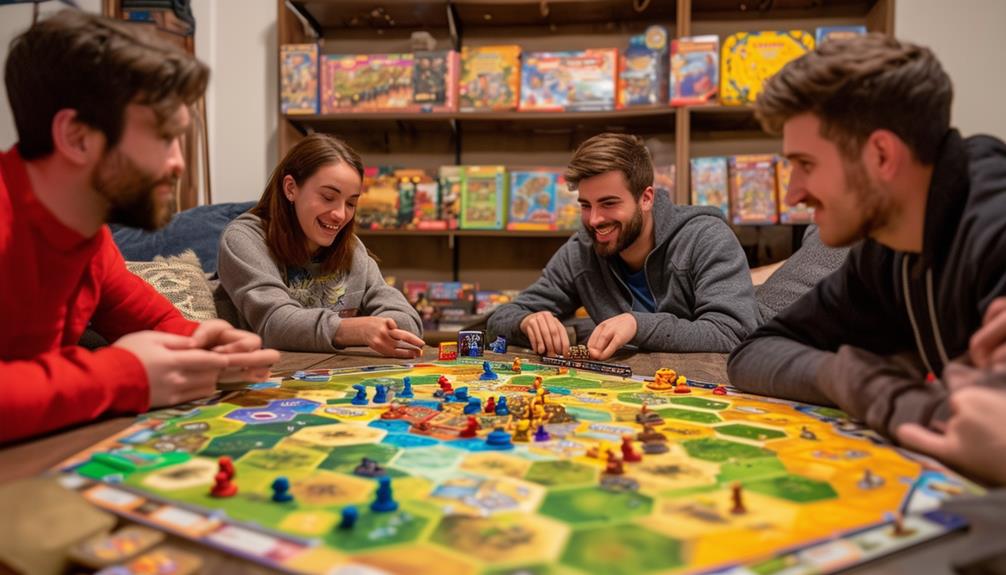
Endless replayability in games like Settlers of Catan and Ticket to Ride is driven by their dynamic game mechanics and ever-changing setups. In Settlers of Catan, the modular board ensures that no two games are alike, engaging both new players and experienced veterans. Players must constantly adapt strategies based on resource distribution and the placement of settlements and roads.
Ticket to Ride maintains variety by offering different route cards each game. The challenge of completing these routes while strategically blocking opponents adds depth. Expansion packs for both games introduce new elements, such as additional routes or resources, further enhancing their replayability.
The appeal lies in the uniqueness of each playthrough. In Catan, one game might focus on building cities, while another emphasizes securing the longest road, influenced by the board layout. In Ticket to Ride, a new set of route cards can shift your strategy, requiring quick adaptation. This constant need to adjust strategies ensures these games remain favorites among board game enthusiasts.
Community Impact
Playing Settlers of Catan or Ticket to Ride goes beyond mere entertainment. It forges social bonds, stimulates friendly competition, and promotes teamwork. These activities enrich the gaming community and ensure each session is unforgettable.
Building Social Connections
Board games like Settlers of Catan and Ticket to Ride have been instrumental in fostering social connections by bringing players together in a variety of community settings. These games aren't just static items on a shelf; they're the focal points of gaming events and game nights, gathering people in cafes, local game stores, and living rooms. Playing Settlers of Catan or Ticket to Ride encourages face-to-face interactions, helping you make new friends and deepen existing relationships through shared experiences and laughter.
At gaming events and conventions, enthusiasts from diverse backgrounds come together, creating a sense of camaraderie. You'll find yourself discussing strategies, sharing tips, and celebrating victories with newfound friends. These gatherings often evolve into regular meetups, strengthening the social fabric of the community.
Online forums and social media groups dedicated to these games further expand your social network. Here, you can discuss gameplay strategies, share memorable moments, and plan future gaming sessions. Tournaments and competitive events offer additional opportunities to engage with a larger gaming community, fostering long-lasting friendships and a strong sense of belonging. Through Settlers of Catan and Ticket to Ride, you're not just playing a game; you're building a community.
Fostering Friendly Rivalries
The engaging gameplay of Settlers of Catan and Ticket to Ride sparks friendly rivalries that foster a sense of community among players. These games thrive on strategic decision-making and resource management, naturally leading to competitive yet enjoyable interactions.
In Settlers of Catan, players trade resources and negotiate while plotting their own path to victory. Similarly, Ticket to Ride challenges players to strategically plan routes and outmaneuver opponents, creating a dynamic atmosphere of friendly competition.
These friendly rivalries build camaraderie and bring players together. Regular game nights become a staple in many communities, where enthusiasts gather to share strategies, recount memorable moments, and enjoy the social aspects of these games. Whether it's the thrill of completing a long train route in Ticket to Ride or the satisfaction of building a vibrant settlement in Catan, these experiences create lasting bonds.
Beyond the tabletop, the impact of these games extends to tournaments, conventions, and online forums, where players can connect with a broader community. The friendly rivalries fostered by Settlers of Catan and Ticket to Ride truly enrich the gaming experience.
Encouraging Cooperative Play
In cooperative play, games like Pandemic and Forbidden Island shift the focus from competition to teamwork, fostering a collaborative spirit among players. These games emphasize the importance of strategizing together to achieve common goals, promoting social interaction and building strong connections among participants.
By working together, players create a shared experience that goes beyond the game itself. This sense of camaraderie enhances the overall gaming experience, making these games popular choices for social gatherings and game nights. The inclusivity of cooperative games ensures that everyone, regardless of skill level, can participate and contribute meaningfully.
| Benefits of Cooperative Games | Examples |
|---|---|
| Teamwork | Pandemic, Forbidden Island |
| Social Interaction | Improved through collaboration |
| Shared Experience | Builds connections among players |
| Inclusivity | Encourages a less competitive atmosphere |
Cooperative play encourages group strategizing and problem-solving, creating a supportive environment where everyone feels valued. This approach not only makes the game more enjoyable but also helps in developing crucial social skills. So, the next time you gather for a game night, consider these cooperative games to foster a sense of unity and fun.
Conclusion
Board games like Settlers of Catan and Ticket to Ride have become beloved staples in geek culture. They are appreciated for their engaging gameplay, strategic depth, and interactive elements. These games offer endless replayability and help hone critical thinking and resource management skills. They also foster camaraderie among friends and fellow gamers, making them a favorite pastime that continues to capture hearts.